
4 Minutes
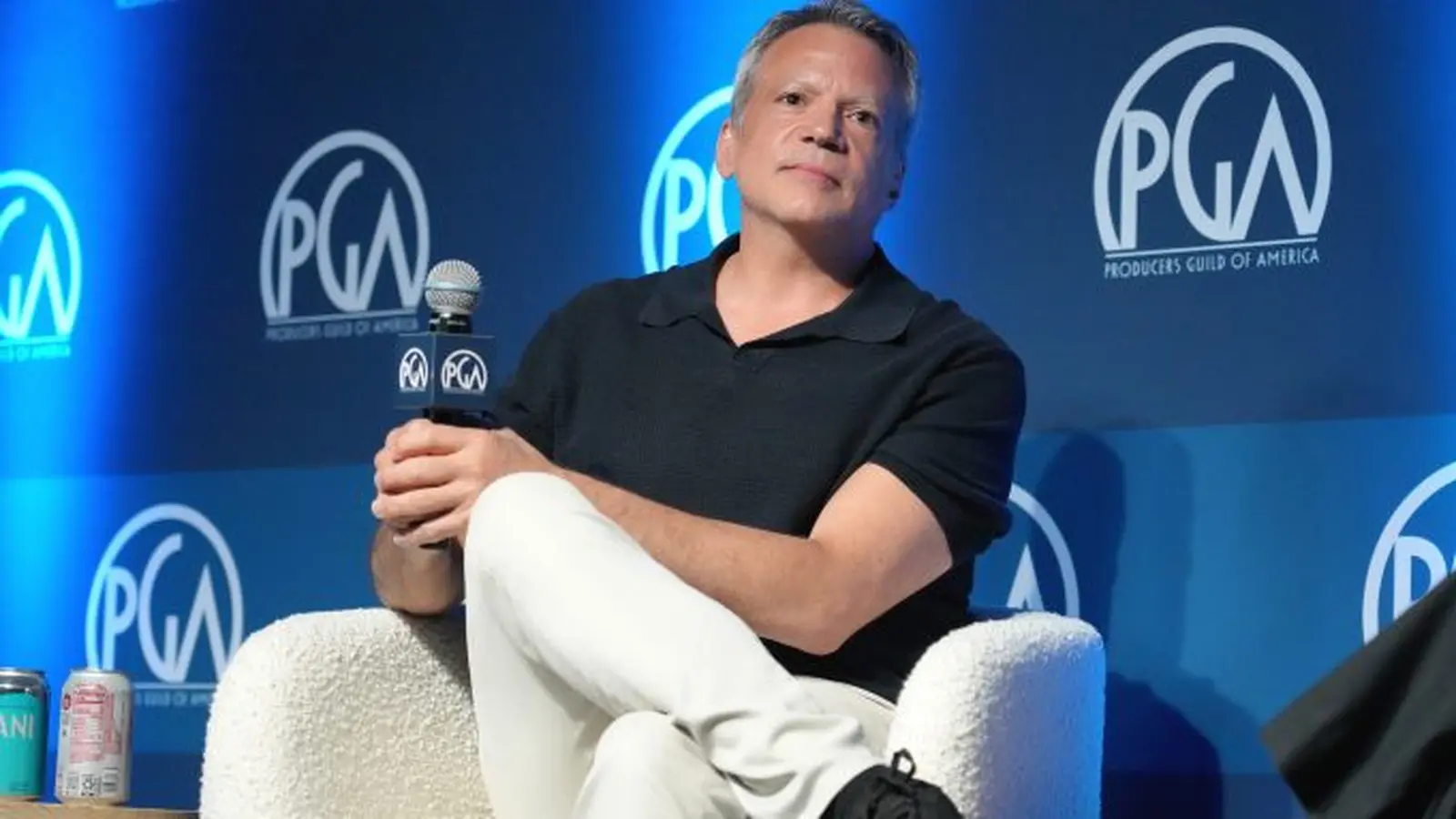
Imagine the studio pipeline as a city water supply. Slow the taps, and neighborhoods go dry. Michael De Luca said as much at the Producers Guild’s Produced By conference, and he didn’t mince words: development isn’t an optional line item. It’s the wellspring.
Raised on New York movie obsession and schooled in the trenches at New Line, De Luca spoke like someone who’s lived both sides of the table — the hungry producer pitching midnight ideas and the executive tallying expenses at fiscal year’s end. He recounted a rare streak of luck in the early ’90s: a first slate that included sleeper hits and career-launchers. Then came the flops. Then the lessons. The rhythm was clear: you cultivate voices, you take chances, you accept that most bets won’t pay off — but a few will change the game.
“If you cut it too deep, your pipeline dries up,” he said. Short sentence. Stark image. It’s also a warning that reverberates beyond a single studio memo. De Luca argued that development budgets get slashed with alarming regularity because they look like expendable line items. Yet that’s short-term thinking. Development is expensive precisely because it’s where originality is mined — from scratch scripts, rookie directors, risky concepts. Lose that, and the industry risks becoming a factory of sequels and recycled IP.
He drew a parallel to older seismic shifts in film: the home-video explosion of the 1980s birthed a wave of independent companies — New Line, Vestron, Cannon — that seized cultural momentum the majors had missed. Today, the same pattern repeats. Where studios hesitate, upstarts rush in. A24, Neon, Focus, and others are proof that when legacy firms retrench, fresh competitors fill the gap.
.avif)
What’s different now is the proving ground. YouTube, TikTok, Patreon — these platforms have become film schools and focus groups rolled into one. Directors who cut their teeth online arrive with built-in audiences and a feedback loop that sharpens their work before a single frame reaches a studio. De Luca pointed to recent low-budget horror hits that quietly mushroomed into box-office stories. These filmmakers aren’t emerging from nowhere; they’ve spent years testing ideas and calibrating tone with a global audience.
De Luca didn’t treat social media as a magic bullet. He’s clear-eyed about the trade-offs. The democratization of fan voice can amplify a movie — or it can torpedo a release overnight. The internet moves faster than press cycles or crisis plans. Still, when it works, it creates momentum that the old marketing playbook couldn’t have manufactured. He even credited stunts like Tom Cruise’s Barbenheimer ticket photo for showing how modern fandom can lift an entire season.
Underneath these observations is a subtler argument about what “IP” really means. For many executives, IP reads as pre-existing brands or franchise logos. De Luca flips that notion. He insists that IP is talent: the writers, directors, and performers who breathe life into characters and stories. Batman isn’t the IP; the creators who crafted and kept reinventing the character are.
That perspective explains why De Luca bristled at choices that trade long-term cultural capital for short-term balance-sheet comfort. He recounted a moment in his production career when a studio decided to stop investing in original material, pivoting instead to guaranteed sequel and franchise revenue. The result, he said, was predictable: alienated talent. He named Christopher Nolan — once a close Warner collaborator who took his biggest recent films to another studio — as the kind of filmmaker you can’t afford to lose. Rare artists don’t just make movies; they define eras.
De Luca also got granular about the mechanics of development. Good executives don’t just greenlight; they listen to scripts, take flyers on newcomers, and accept a lousy ratio of ideas to finished pictures. In a healthy shop, maybe one in five projects reaches production. In a pressurized environment, that ratio can slide to one in ten or worse. And once studios start cutting that budget, they compound the problem: fewer voices nurtured equals fewer hits later.
He peppered the conversation with memories from his New Line days, the risks that paid off, the ones that didn’t, and the hard-earned humility that comes from both. There’s an appetite in Hollywood right now for safe bets. Sequels, adaptations, and franchise installments dominate boardroom chatter. But De Luca’s message was a reminder that safety has a cost: a drying pipeline, diminished innovation, and the steady migration of talent to places that still bet on ideas.
Studio executives can pretend development is a variable cost. They can cut it to shore up quarterly results. Or they can treat it as the strategic investment it has always been. The choice will shape not just what plays in multiplexes next summer, but who gets to tell the stories that define the next decade.

Which will studios choose?

Leave a Comment
Comments (2)
Is this even true? Studios say they want originals but data and execs favor sequels, and talent bolts. If that keeps up...
wow this hit hard. development is literally the lifeblood! studios keep chasing safe bets, sigh. hope upstarts keep taking swings, pls