
3 Minutes
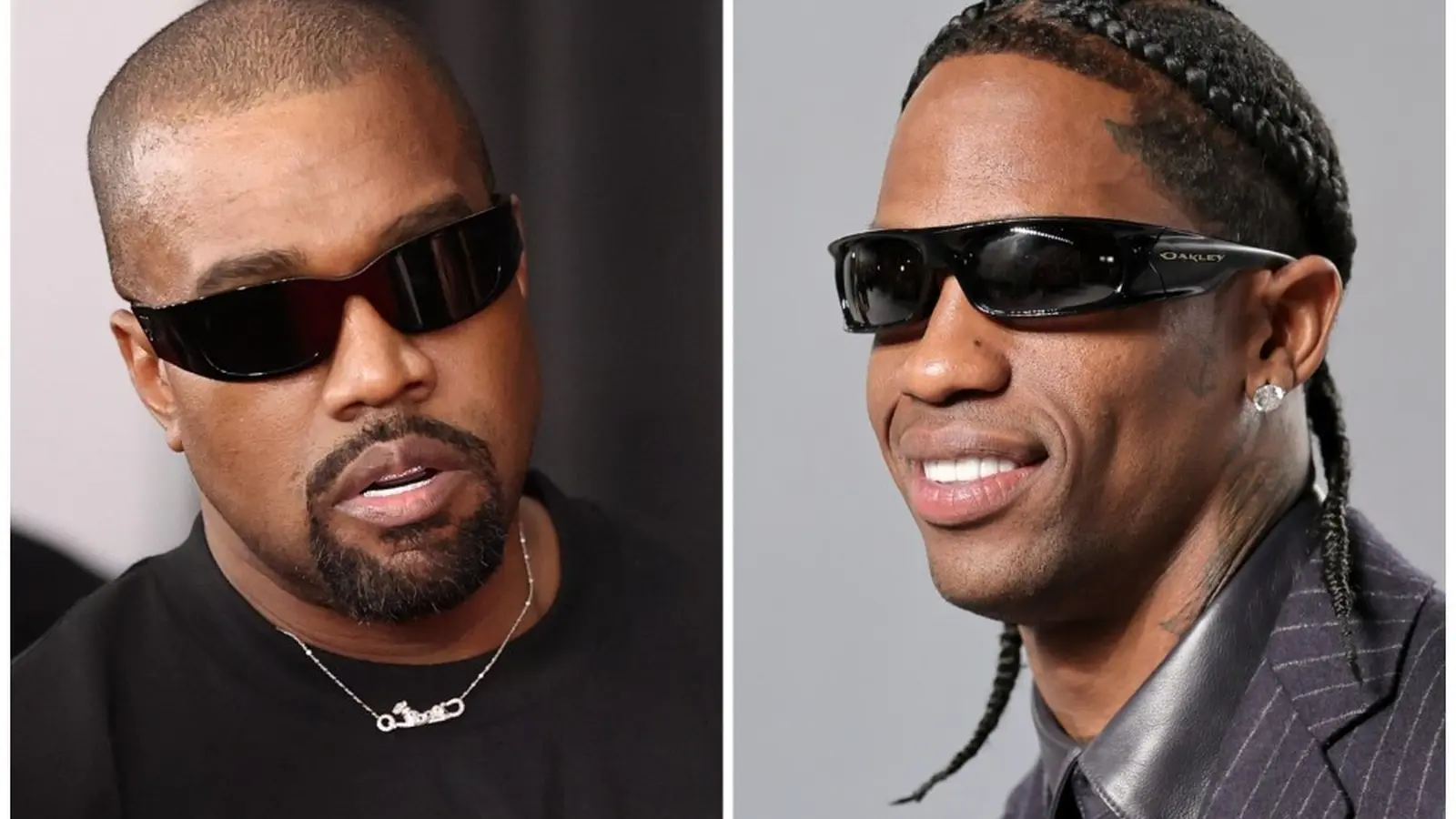
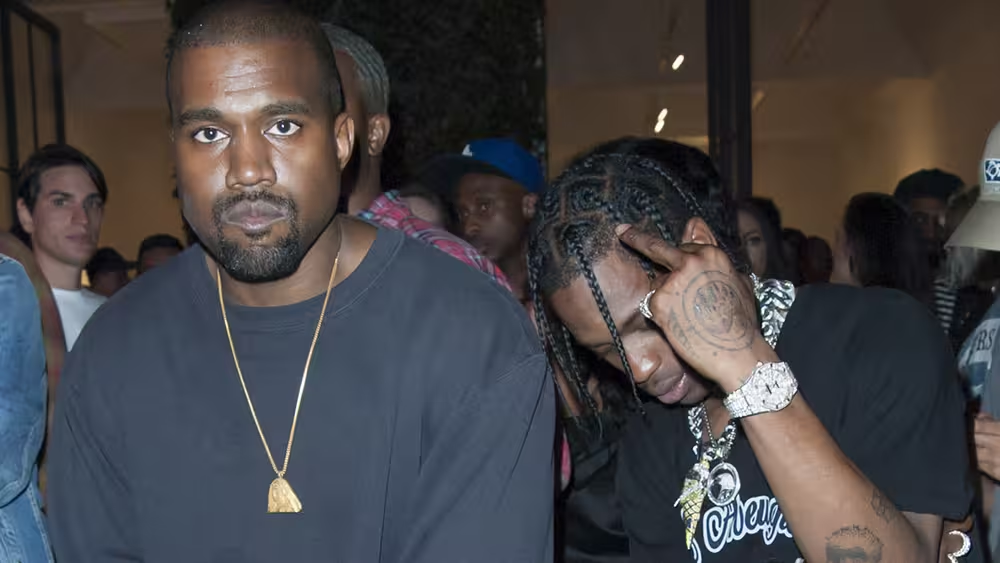
When a pop spectacle becomes a public flashpoint, local authorities often have to choose between applause and safety. That choice was made in Reggio Emilia, where prefect Salvatore Angieri ordered the cancellation of back-to-back concerts by Kanye West (now Ye) and Travis Scott that had been planned for mid-July at the RCF Arena.
Ye was due to headline the Hellwat Festival on July 18; Scott was booked for July 17. The arena’s 103,000 capacity would have made Ye’s appearance one of his biggest ever in Europe. But timing matters. Two massive crowds arriving within 24 hours, coupled with growing protests over Ye’s public antisemitic statements, created what authorities called a "concrete risk" to public order.
Calls to cancel the shows weren’t made in a vacuum. Local Jewish groups, anti-fascist organizations, unions and a chorus of politicians pressured officials after months of outrage about Ye’s social-media posts, contentious merchandise and a song title that shocked many. Some European promoters had already shelved his dates in the U.K., France, Switzerland and Poland. The prefect pointed to that context—plus the memory of other festival tragedies—as a justification for the ban.
There’s a lot packed into that sentence: safety concerns. Tragedy. Politics. And accountability. Remember Astroworld? Travis Scott’s 2021 festival in Houston ended with a crowd crush that killed 10 people, and that history inevitably complicates any decision about large-scale shows involving his name.
Organizers of the Hellwat Festival did not accept defeat quietly. They announced they would try to stage Ye in a nearby location under a different jurisdiction, promising to explore options and to keep ticket holders informed. Whether a venue swap will calm protesters—or simply move the flashpoint a few miles down the road—remains to be seen.
Meanwhile, Ye pushed ahead with a massive summer kickoff in Istanbul at Atatürk Olympic Stadium, a show that organizers claim drew about 118,000 people. Fans flew in from across Europe and beyond—Britain, Germany, Poland, Russia, Kazakhstan and the U.S.—underscoring that controversy has very little effect on the appetite for a spectacle.
Ye’s public remarks and actions—he has made statements praising Nazis, sold shirts marked with a swastika, and released provocatively titled music—have reshaped how venues, governments and audiences assess risk. He published a full-page apology in the Wall Street Journal earlier this year, attributing his behavior to manic episodes related to bipolar disorder, but that explanation has not erased the fallout. Public outrage continues to collide with commercial momentum.
For concert-goers trying to plan, the shifting map is already visible: Ye is still slated for European dates in the Netherlands (June 6 and 8), Tirana, Albania (July 11), and Prague (July 25), though those dates now carry the same caveat as any event shadowed by controversy—subject to cancellation, relocation, or protest.
So what does this mean for live music? That context now matters as much as the bill. Organizers and authorities must weigh crowd size, local sentiment and past incidents. Fans must decide if their desire to see an artist outweighs the ethical and safety questions surrounding that artist. And cities—facing pressure from civic groups and the court of public opinion—are increasingly willing to step in when the balance tips.
In other words: the show isn’t always the point anymore. Sometimes it’s the spark that reveals underlying tensions, and no amount of stage lighting can make those go away.

Leave a Comment
Comments
No comments yet. Be the first.