
2 Minutes
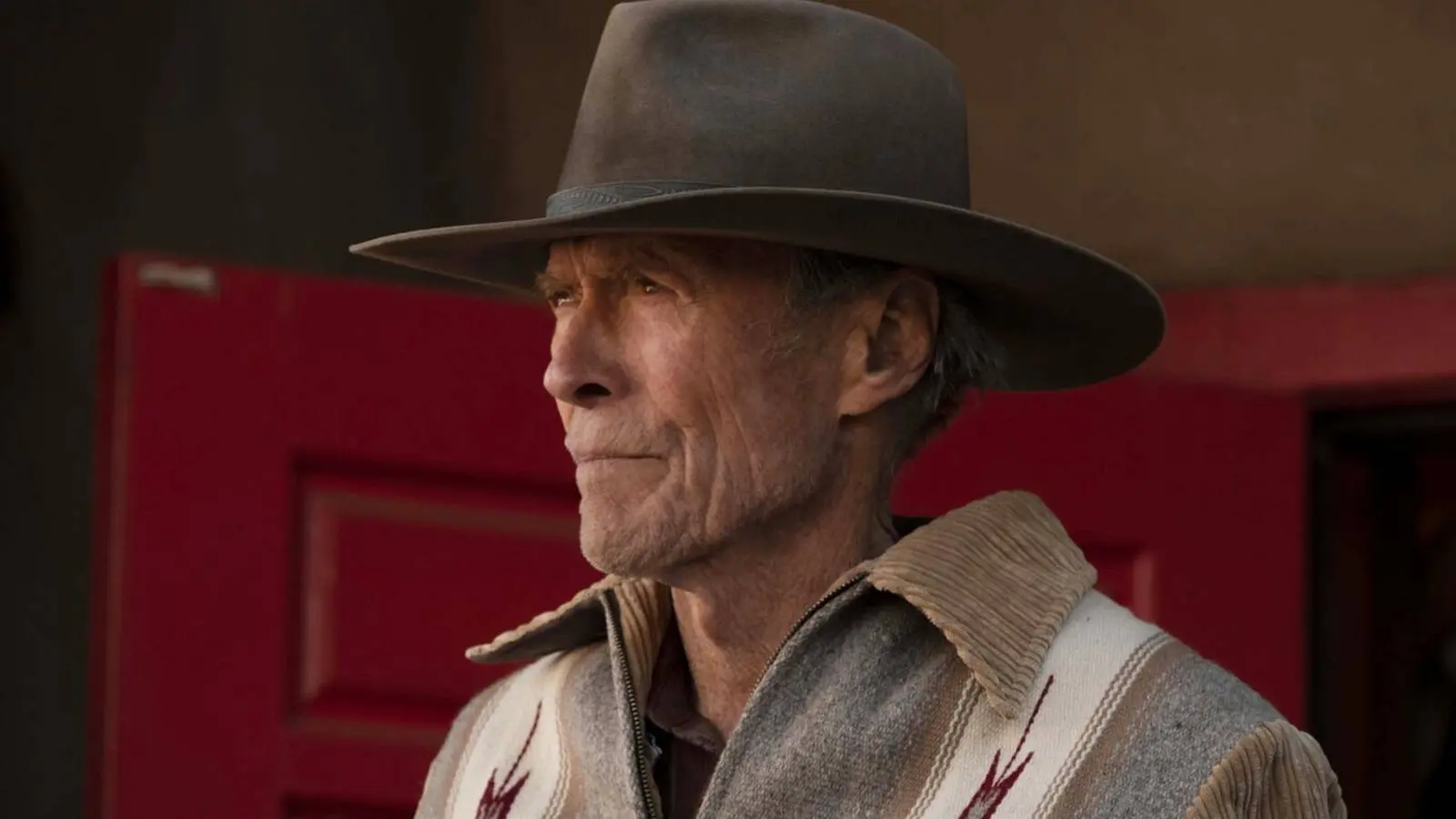
He didn’t hold a press conference. No ticker-tape parade. Instead, the news arrived like one of his films: understated, inevitable, and quietly dramatic. According to ScreenRant, Clint Eastwood has stepped away from the film world.
Clint Eastwood has retired from cinema at 95. A single sentence that carries decades of grit, westward sunsets and terse one-liners. Eastwood first burned into global consciousness in the 1960s as the Man with No Name in Sergio Leone's Dollars trilogy. Later came Dirty Harry, Heartbreak Ridge, and a career that kept evolving—actor, director, auteur—well into the 21st century.
The timing of this retirement has always been a question mark. How do you retire when you never really stopped? In the last decade alone he directed and released six features and even returned in front of the camera for Cry Macho and The Mule. His final credited project, Juror #2, arrived in 2024 to warm reviews but modest ticket sales, earning roughly $27 million worldwide.
News of his withdrawal was confirmed by his son, Kyle Eastwood, who mentioned the change while performing a concert in Amiens, France. Kyle, a respected musician and composer who collaborated with his father on several projects, said he was fortunate to work with Clint and now finds himself looking back on many shared memories while his father quietly retires at 95.

It’s tempting to reduce Eastwood to a handful of towering roles. But his legacy resists neat summarization. He remade genre expectations, shifted between tough-on-the-outside characters and deeply humane directors' visions, and kept making films that tested both audiences and himself. Some flopped. Some soared. All of them mattered in the long arc of a career few living filmmakers can match.
So what does retirement mean for a figure who built his life around motion pictures? Maybe it’s simply the end of new chapters, while the old ones keep playing. Film students will keep studying his framing and refusal of excess. Fans will debate favorite performances. And cinephiles will wait, with the same patience of a slow-burning western, to see how posterity reshapes his reputation.
Share your favorite Eastwood moment and tell us which film you think best captures the man who managed to make silence as memorable as a line of dialogue.


Leave a Comment
Comments
No comments yet. Be the first.