
3 Minutes
Ford confirms electric Fiesta ST and RS will return in 2028
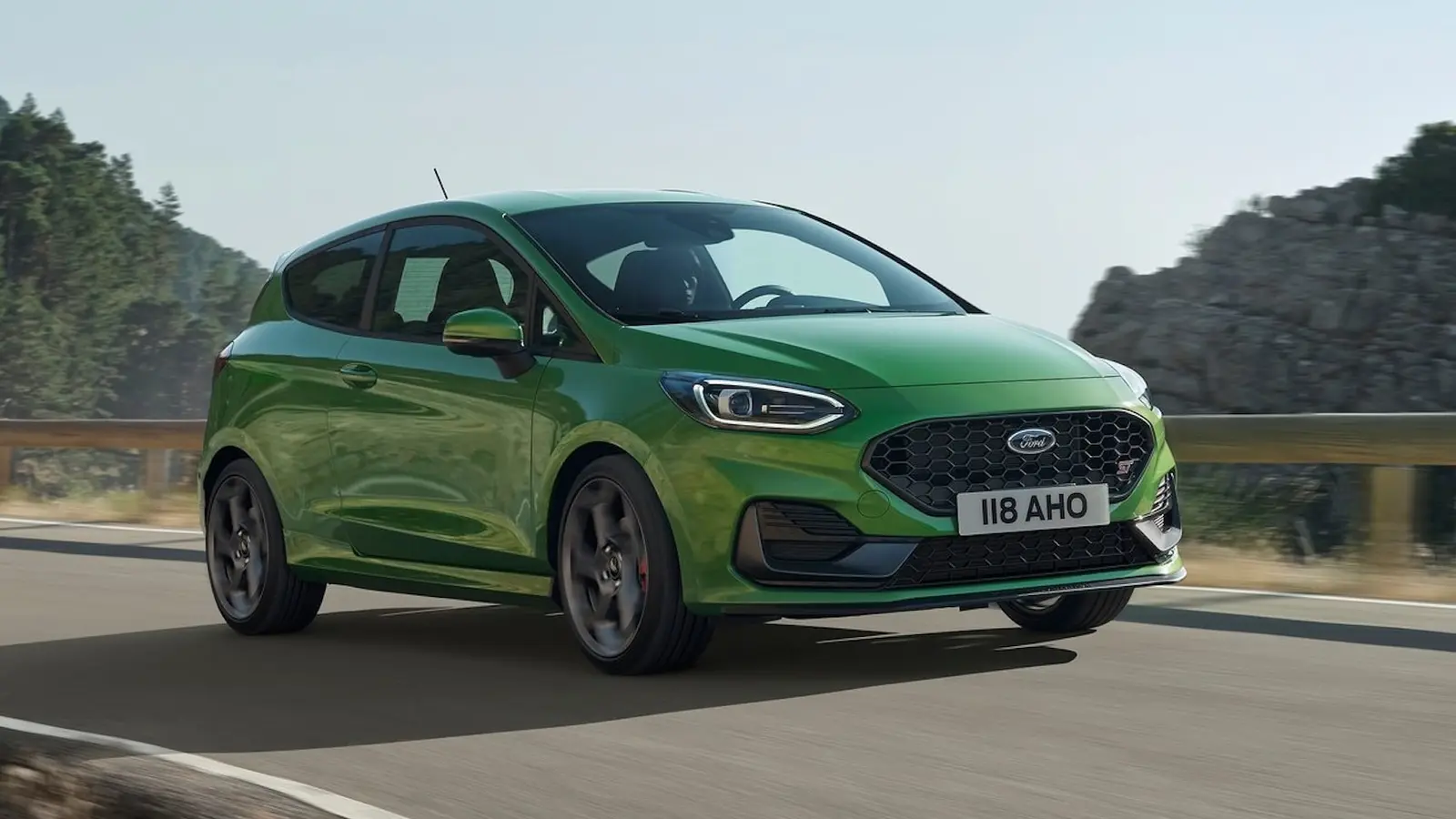
Ford has quietly signalled that its hot-hatch tradition will survive the switch to electrification: an all-electric Ford Fiesta ST and a sportier RS variant are confirmed to arrive in 2028 as part of a new small EV strategy for Europe. The move keeps performance models at the heart of Ford's lineup even as the company phases out some iconic internal-combustion cars.
Why Ford is keeping the performance halo
The Fiesta remains one of Ford's best-selling nameplates in Europe, and the automaker sees value in maintaining ST and RS variants to keep credibility with enthusiasts. Ford’s European product chiefs say performance derivatives reinforce brand image and draw customers into showrooms — even those who later choose more mainstream or electrified models.

New platform: RG EV Small and a Renault partnership
The new electric Fiesta will sit on the RG EV Small architecture, a shared small-EV platform developed through a strategic joint venture with the Renault Group. This architecture underpins several European compact EVs, including the Renault 5 E-Tech, the Alpine A290 and the upcoming Nissan Micra, and will support up to five small Ford EVs across Europe.
Key technical advantages of the RG EV Small platform:
- Multi-link rear suspension for improved handling and ride quality, a first for Fiesta
- Packaging designed to accept a second electric motor for a dual-motor configuration
- Scalable battery and electric drive options suitable for performance and efficiency

The multi-link rear axle replaces the current Fiesta's semi-independent twist-beam setup, offering better dynamic control and a firmer basis for a tuned performance chassis.
All-wheel drive comes to the Fiesta for the first time

One of the most intriguing possibilities is the arrival of all-wheel drive in the Fiesta family. The RG EV Small platform can accept a second motor, meaning Ford could offer a dual-motor AWD Fiesta — a rarity in the supermini segment usually dominated by front-wheel-drive cars. That would put the Fiesta in company with niche rivals like the Toyota GR Yaris, Audi A1 quattro and MINI Cooper ALL4.
Christian Weingartner, Ford's head of product in Europe, has indicated the company wants to build 'race-to-road' vehicles that are genuinely capable, even if final naming and exact specs are still under discussion.
Performance outlook and comparisons
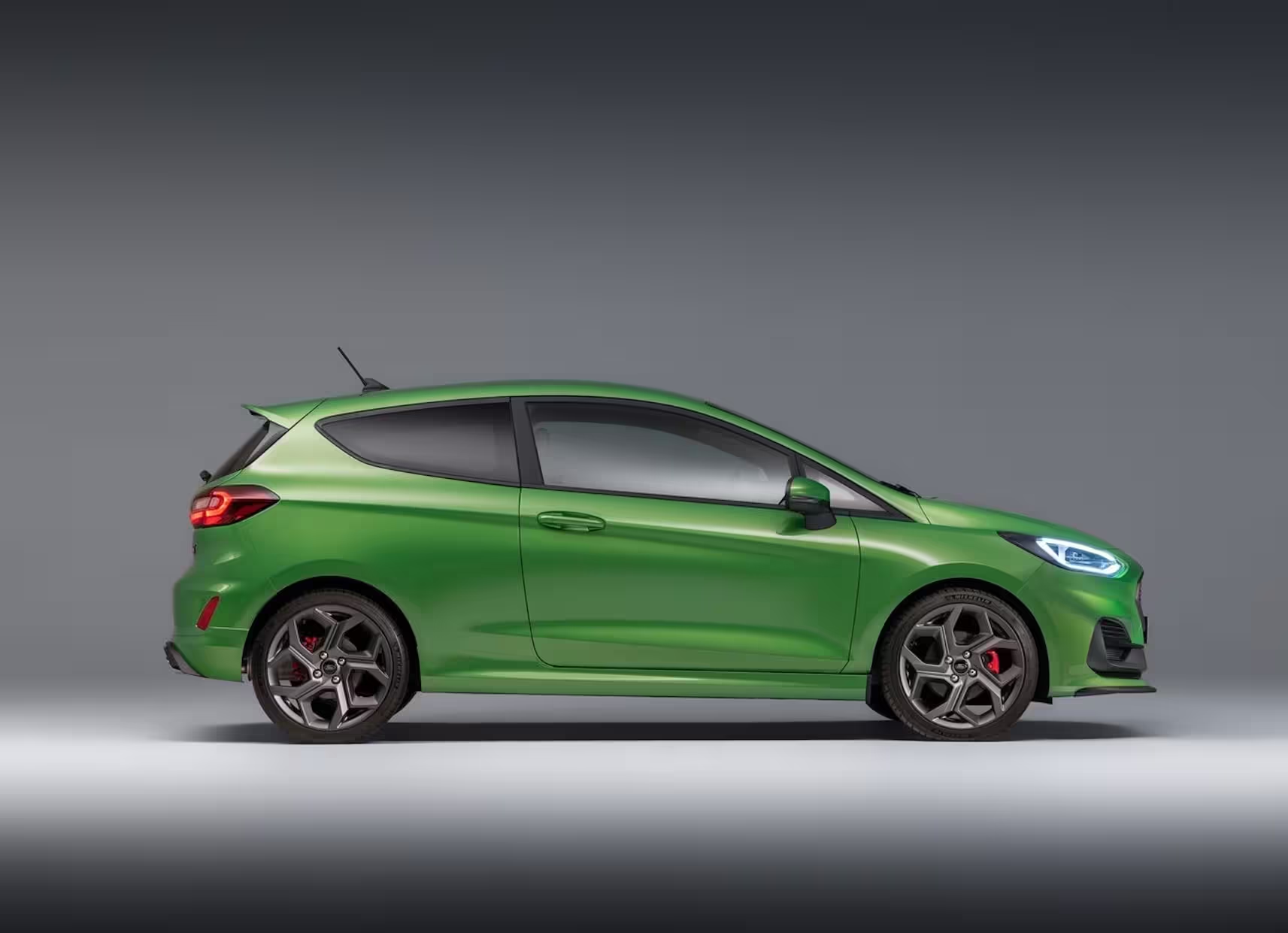
Today's Fiesta ST uses a 1.5-litre three-cylinder EcoBoost engine producing 197 hp and 236 lb-ft of torque, good for 0-60 mph in about 6.5 seconds and a top speed near 143 mph. The forthcoming electric ST/RS will trade engine character for instant torque and potentially higher combined output from a dual-motor setup — with traction and handling gains thanks to AWD and a multi-link rear end.
What we expect:
- Quicker 0-60 mph times owing to electric torque
- Improved cornering stability compared with the current twist-beam layout
- Enhanced traction in poor weather and more consistent lap times on track

Market positioning and what this means for other Ford models
Alongside the electric Fiesta ST/RS, Ford is reportedly preparing a Puma Gen-E and possibly a Puma ST variant. Enthusiasts also hope for revivals of Focus ST and RS nameplates, though the Focus ended production in late 2025. Maintaining sporty small EVs helps Ford retain relevance with driving enthusiasts while executing its electrification plans.

Highlights:
- Electric Fiesta ST/RS confirmed for 2028 on RG EV Small platform
- First-ever AWD option likely via dual electric motors
- Multi-link rear suspension for better handling

Ford’s plan is a reminder that fast cars can survive the EV transition — they will just deliver their thrills in a different way. For buyers, that means a new generation of hot hatches that merge classic performance heritage with modern electric capability.

Leave a Comment
Comments (2)
Is Ford really gonna keep RS spirit on an RG EV platform? sounds promising, but can software tuning kill the soul of a hot hatch tbh...
Whoa an AWD Fiesta ST? if that's real then this could actually shred corners, not just a straight-line EV. Hope they nail the handlng and feel!