

4 Minutes
Jim Cramer Labels Bitcoin 'Bad Money' Amid Tech Rotation
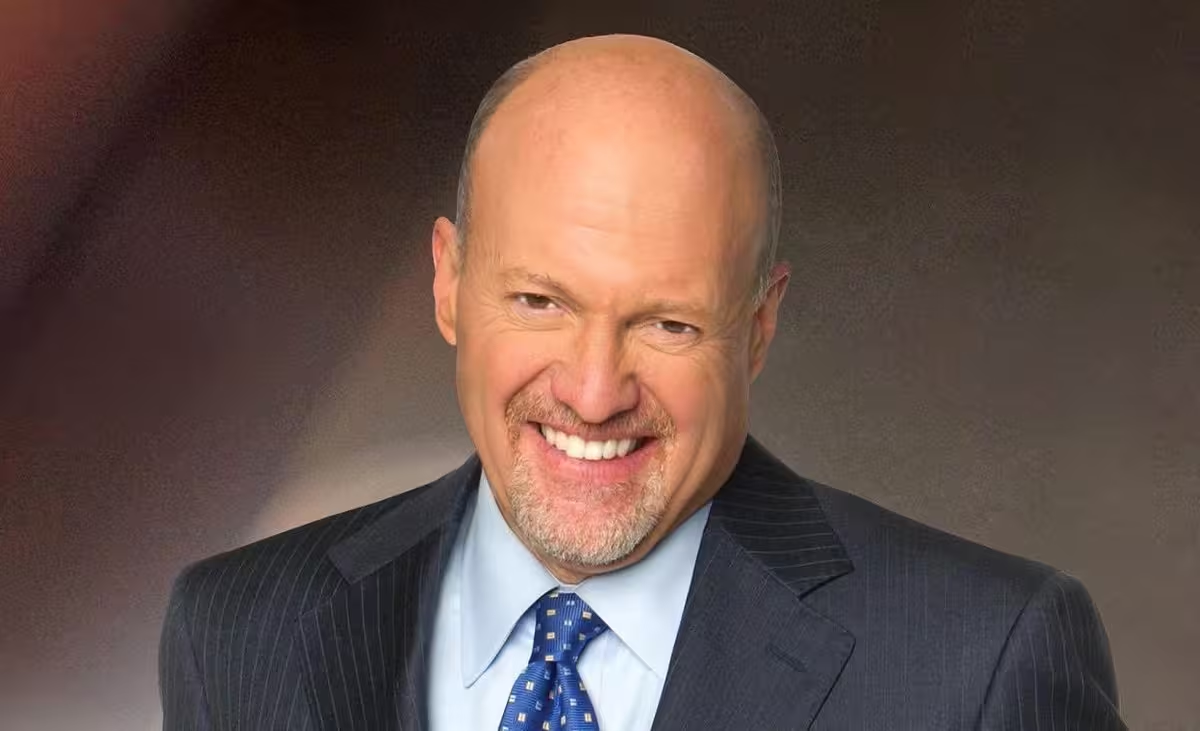
CNBC host Jim Cramer stirred debate this week by declaring that Bitcoin and gold are 'bad money' as investors reallocate capital into high-growth technology companies and private-market opportunities. His comments — posted on X — framed Bitcoin alongside traditional safe-haven gold in the ongoing liquidity shift to names such as SpaceX, Apple and Nvidia.
Market context: a difficult month for Bitcoin
June proved a challenging month for Bitcoin. The digital asset slid toward the $60,000 area before recovering to trade near $62,796 at the time of reporting. Analysts and traders pointed to a confluence of forces behind the drop: hawkish expectations around the Federal Reserve, geopolitical tensions involving Iran, ETF outflows and concentrated leveraged liquidations.
Cramer's public dismissal of Bitcoin as 'bad money' adds a high-profile voice to a larger conversation over where speculative capital is flowing in 2026. He argued investors are selling both gold and Bitcoin to fund stakes in private and public technology names that promise faster growth, including SpaceX amid renewed IPO speculation.
Why SpaceX, AI firms and tech giants are squeezing liquidity
Investors have shown strong appetite for AI-related companies and major tech stocks this year, driven by large fundraising rounds and expectations of outsized returns from firms like Anthropic, OpenAI-adjacent ventures, and potential SpaceX market interest. These moves can draw liquidity away from other risk assets, including cryptocurrencies.
Some market commentators, including BitMEX co-founder Arthur Hayes, have suggested AI and private-market capital absorption has been a material drag on new liquidity available to crypto markets. The effect is often gradual: large private placements or IPO pipelines siphon speculative dollars that might otherwise flow into Bitcoin or altcoins.
Strategy's 32 BTC sale reignites debate over concentrated holders
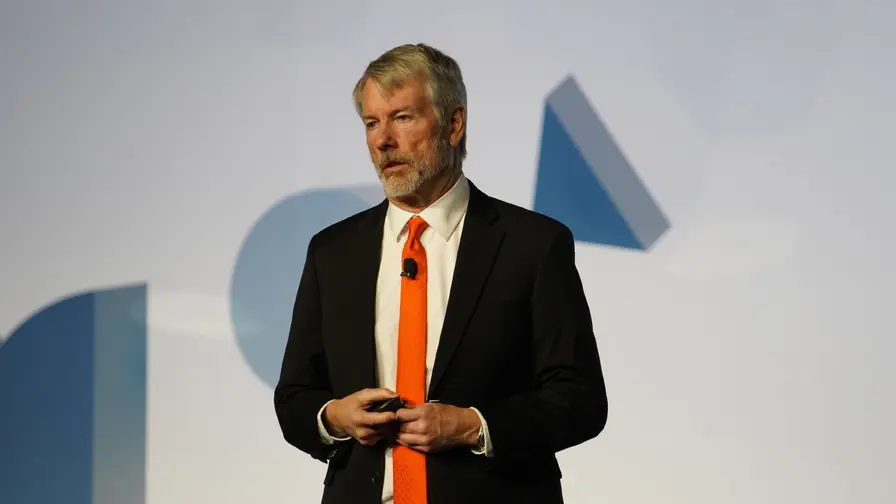
Cramer's remarks followed scrutiny of a small but symbolically significant sale by Strategy, which liquidated 32 BTC. While the amount is negligible relative to Strategy's total holdings, traders reacted because Strategy and its CEO Michael Saylor have long presented themselves as institutional Bitcoin accumulators. Cramer accused Strategy of undermining market confidence, saying the company once functioned as a 'key trampoline' for price and that the sale 'murdered Bitcoin' — comments that drew a sharp response from Saylor.
The incident reopened discussions about how concentrated selling by prominent holders can influence sentiment even when the absolute size of the trade is limited. For crypto-market participants, the reputational weight of certain firms can amplify price reactions.
ETF outflows and macro catalysts remain decisive
Beyond rotations into tech and private markets, ETF flows have been a pivotal driver for institutional demand. June's streak of ETF outflows removed a meaningful source of buying power just as other macro headwinds built. Traders cited a mix of hawkish Fed guidance, geopolitical risk, and leveraged positions unwinding as direct triggers for abrupt price moves.
That matters because while sector rotation can erode long-term demand for crypto, sudden market swings typically require an acute catalyst — shifts in monetary policy expectations, large fund redemptions, or margin liquidations.
What Bitcoin needs to regain momentum
Cramer's 'bad money' label is influential from a narrative perspective, but it does not alter the technical and flow-based tests Bitcoin faces. To attract renewed institutional interest and stabilize price action, the market will likely need:
- Renewed and consistent ETF inflows to reestablish steady institutional demand.
- Less hawkish macro signals from central banks to lower recession and liquidity risk.
- A firm technical hold above key levels such as $60,000 to rebuild confidence among traders.
Until those elements align, market participants will continue to watch whether capital shifts to AI ventures, SpaceX, Apple, Nvidia and other big tech names permanently reduces allocable funds for crypto, or whether rotations prove temporary and Bitcoin reclaims attention.
Bottom line
.avif "Gemini's IPO Gamble: Winklevoss Twins Push Ahead as Losses Grow")
Jim Cramer's comments reflect a broader investor debate about liquidity allocation in 2026. While the rotation into tech and private capital markets creates headwinds for Bitcoin in the near term, the coin's path still hinges on ETF flows, macro conditions and the behavior of influential holders. For traders and portfolio managers, the real question is whether crypto will regain its share of speculative capital or remain deprioritized as tech and AI continue to absorb investor dollars.

Leave a Comment
Comments (2)
Wow Cramer really stirred the pot. Tech money flows are insane, but BTC bounces back sometimes. Curious if AI keeps hogging cash or will crypto get a turn?
Is Cramer serious? Calling BTC and gold 'bad money' lol. Big players move sentiment not fundamentals, 32 BTC is tiny yet ppl freaked. Is this even the real issue?