
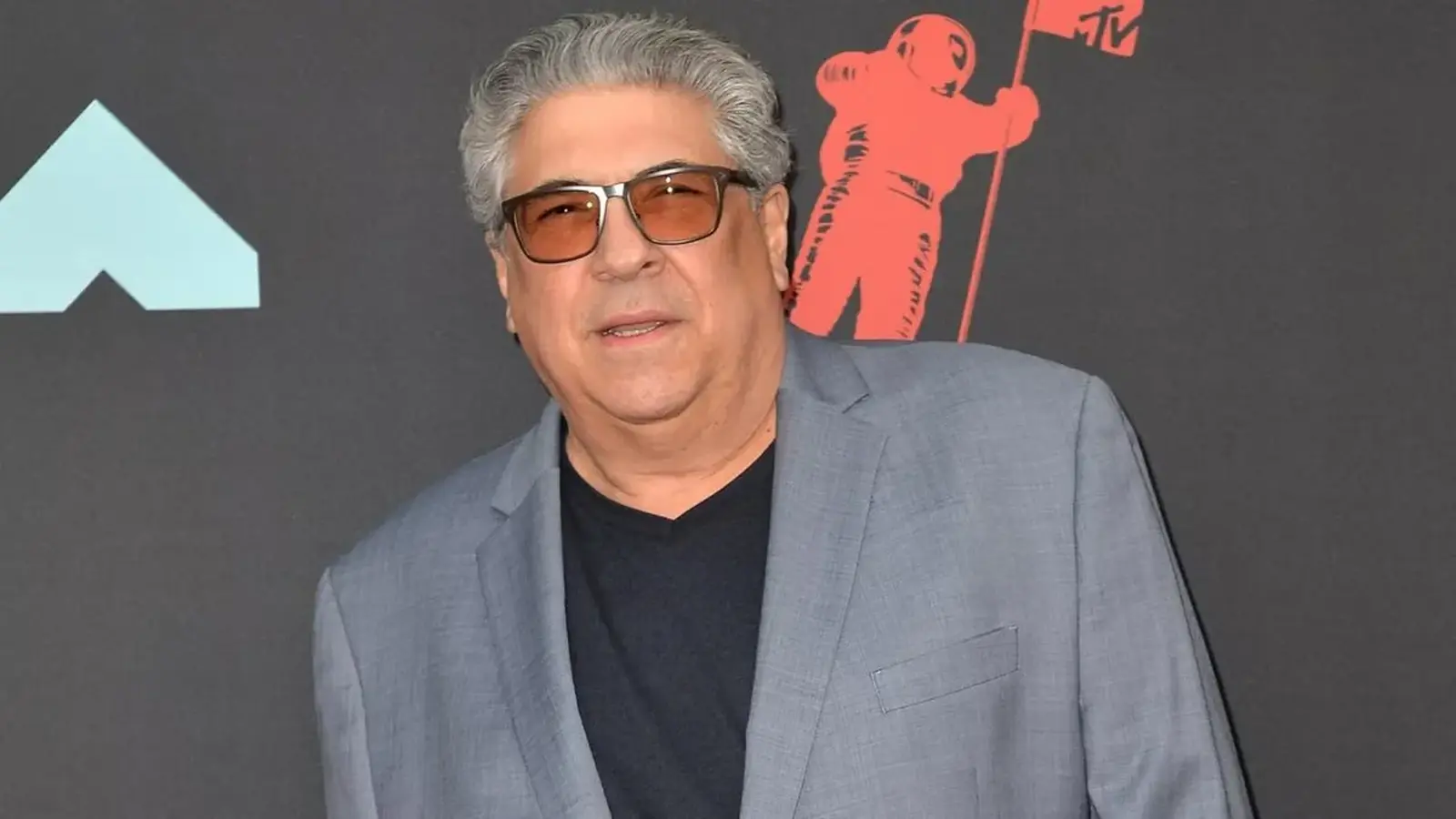
The moment Vincent Pastore stepped into a scene, the room changed. He had that face: weathered, familiar, the kind that made you believe the stories on screen. Vincent Pastore, the Bronx-born actor who made Salvatore 'Big Pussy' Bonpensiero unforgettable on The Sopranos, has died at 80.
Pastore was found in his Bronx home, and authorities say the cause of death is under investigation.
Born in the Bronx in 1946, Pastore's life read like a script of its own. He served in Vietnam, later studied acting at Pace University in New York, and didn't begin a visible professional acting career until the early 1990s. Still, he moved quickly from small parts to films like Goodfellas, Men of Respect and Carlito's Way, and by the mid-1990s he had credits in The Jerky Boys: The Movie and Gotti—where he shared the screen with Tony Sirico, Frank Vincent and Dominic Chianese, future Sopranos stalwarts.
Then came The Sopranos. Some roles get you noticed; some roles become part of cultural memory. Pastore's Salvatore Bonpensiero was both confidant and traitor, a man whose betrayal is the kind of wound that leaves the audience breathless. He was Tony Soprano's close friend, and the arc that turned him from trusted ally into an FBI informant ends in one of the show's most harrowing moments: a quiet, brutal reckoning carried out by Tony (James Gandolfini), Silvio (Steven Van Zandt) and Paulie (Tony Sirico) in the second season finale.

What made Pastore stand out was how ordinary he felt even when surrounded by extraordinary violence. He wasn't a cartoon villain. He was a guy with a past, a set of loyalties, and a fatal choice. That nuance—playing a mobster as a human being rather than a myth—helped define the tone of the series.
The Sopranos itself rewired television drama. A psychological crime saga about a New Jersey mob boss who seeks therapy for panic attacks, the show used sessions with Dr. Jennifer Melfi (Lorraine Bracco) to peel back layers of violence, guilt and family. Across six seasons it reshaped how storytellers approached character, consequence and moral ambiguity, collecting critical acclaim and awards along the way—21 Primetime Emmys and five Golden Globes among them.
Pastore's name will forever be tied to that era of television, but he was more than a single role. He carried the texture of a life lived on stage and screen: small parts that stick, a presence that anchors a scene, an ability to make viewers feel the weight of a character's decisions. Actors like him remind us why we return to these shows—because one performance can alter how we see an entire story.
News of his passing will ripple through the communities that grew up with The Sopranos and the generations discovering it anew. Rewatching those scenes now, you notice the little things—half-smiles, pauses, a look that says more than lines ever could. That, perhaps, is Vincent Pastore's quiet inheritance.

Leave a Comment
Comments
No comments yet. Be the first.