
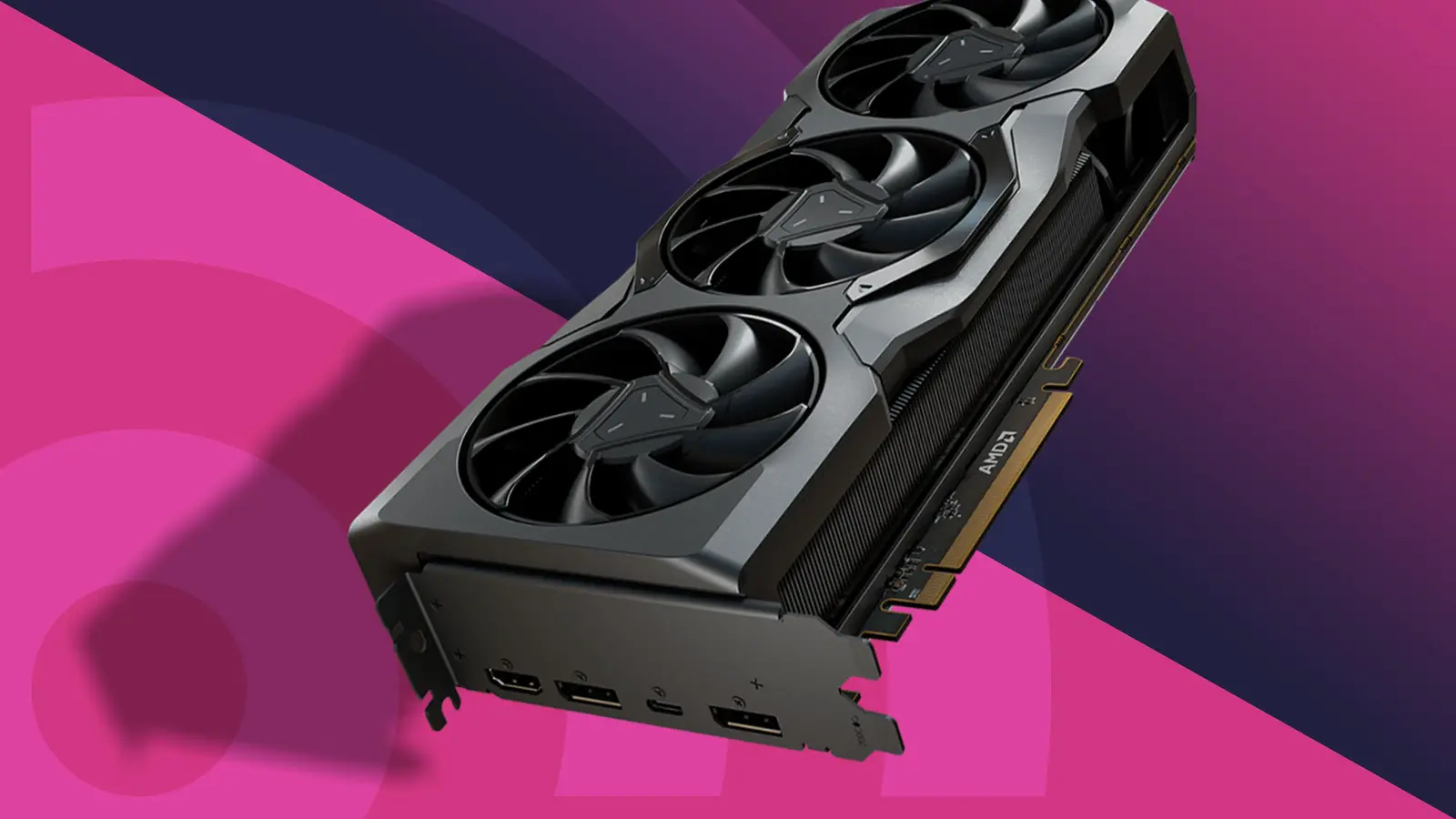
Imagine walking into a store next month and finding your favorite Radeon card priced noticeably higher. That possibility is what murmurs in the hardware market are now pointing at.
Channel Gate reports that AMD has told its add-in board partners—names you know like ASUS and Gigabyte—that the base price for Radeon GPU chips and the accompanying memory packages will rise by at least 10%. The increase is said to take effect around mid-August, hitting the wafers and modules that AIBs buy before they even assemble the finished cards.
Why the change now? Sources quoted by the outlet say AMD made the call weeks ago but paused to watch the market. Demand has cooled in segments, inventories with many retailers are fuller than usual, and AMD didn’t want to undercut its competitiveness while NVIDIA kept prices steady. Timing matters. When the rival reportedly hinted at its own price adjustments, AMD appears to have felt the green light to proceed.
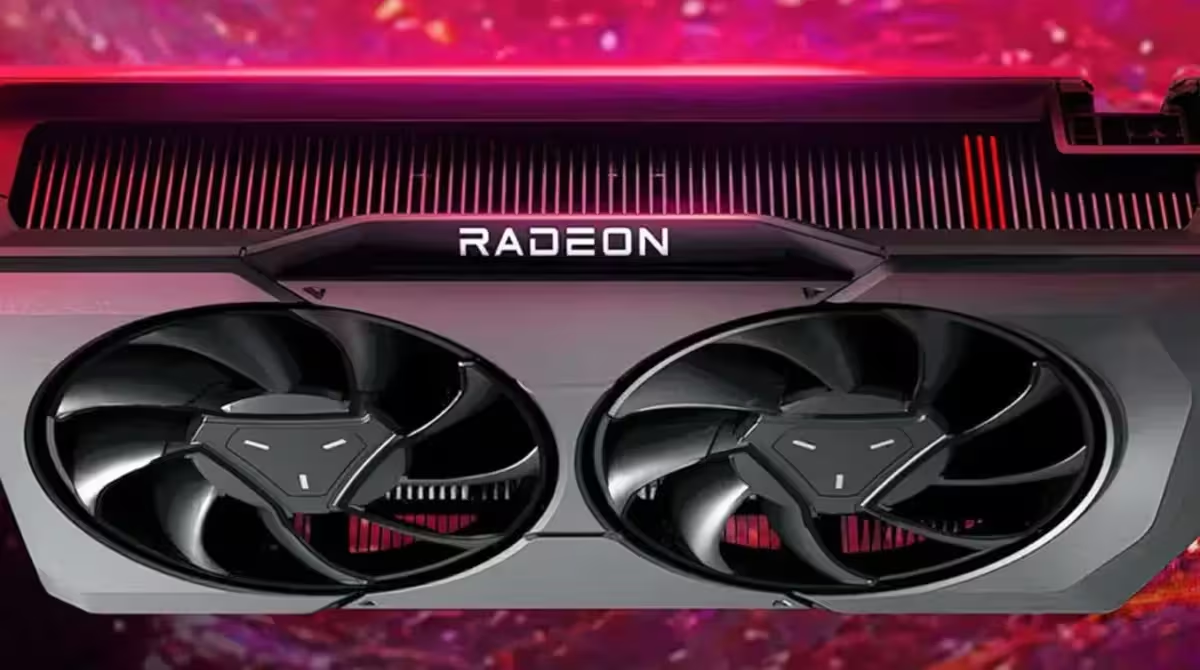
There are a few moving parts here. A price change at the chip level filters downstream: AIB margins, retail tags, promotions—all get reshaped. In practice, that means when next-generation Radeon cards arrive with costlier components, shoppers could see higher sticker prices on the shelves. The report also suggests AMD will align Radeon pricing more closely with equivalent NVIDIA models, setting the stage for direct price-to-performance comparisons.
Does this mean every Radeon card will jump 10% overnight? Not necessarily. Manufacturers could absorb some costs temporarily, adjust bundles, or shift product mixes. But the risk is clear: inventory-heavy retailers may be the first to pass increases to consumers to protect margins. Short term, enthusiasts watching launch windows and preorders should brace for sticker shock.
There’s also a strategic angle. Pricing is a chess match as much as an economics problem. If both major GPU vendors lift prices, the market normalizes at a higher level and margins recover across the supply chain. If one holds back, they gain ground in price-sensitive segments. AMD’s apparent move suggests a bet that the market can tolerate the hike—especially if NVIDIA follows suit.
AMD has not issued any official statement confirming a Radeon price increase, so these reports remain unverified for now.
For consumers and system builders, the practical takeaway is simple: monitor retailer listings and launch announcements closely, and consider timing purchases if possible. For investors and OEMs, watch how AIB partners react to new price sheets and whether retailers adjust promotions to clear older stock. Either way, August looks set to be a decisive month for GPU pricing dynamics—will buyers swallow higher costs, or will price sensitivity force the market back down?


Leave a Comment
Comments
No comments yet. Be the first.