
4 Minutes
Porsche 911 GT3 may swap NA for turbocharged power
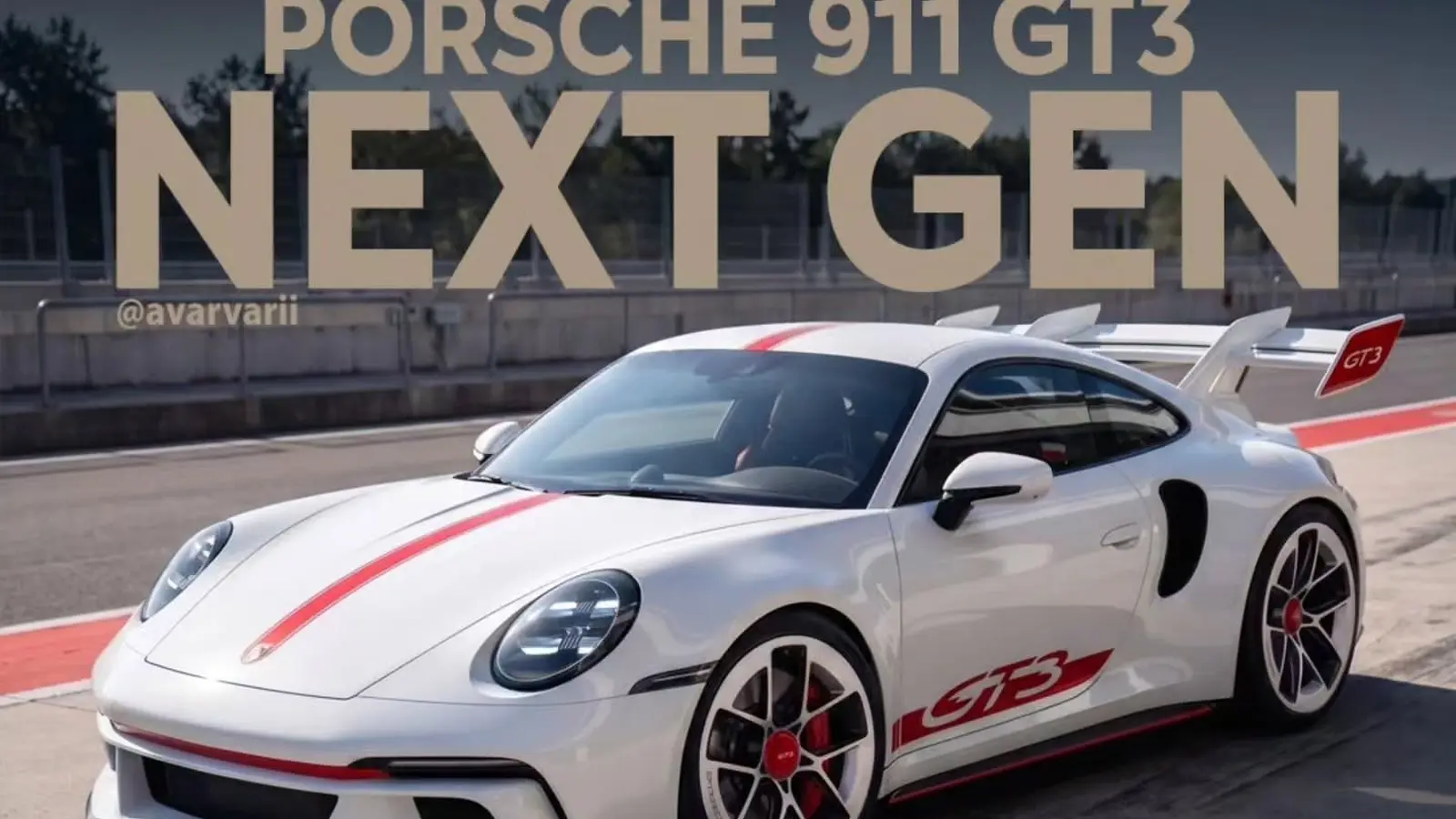
Porsche’s halo track car could be headed into a new era. Recent reports claim the 2029 Porsche 911 GT3 will adopt forced induction — a major departure from the naturally aspirated 4.0-liter flat-six that has defined the GT3 lineage. The rumor, amplified by renderings from digital artist Andrei Avarvarii, paints a picture of a next-generation track-focused 911 that blends heritage styling with aggressive aerodynamic evolution.
CGI preview: visualizing the next GT3
Andrei Avarvarii (known as “avarvarii” online) teamed up with a news outlet to produce detailed CGI concepts imagining Porsche’s future direction. His work emphasizes the aerodynamic upgrades expected to define the next GT3: larger ducts, more pronounced splitters, integrated wings and refined bodywork that respect the 911 silhouette while making it more track-capable.

"The aerodynamic evolution that defines the GT3 pedigree required a careful balance of respecting its legendary lineage while projecting its styling cues into the future," Avarvarii said, describing the design process.
Why turbocharging is on the table
MotorTrend and other outlets suggest the switch to turbocharging is driven mainly by emissions regulations. Maintaining compliance while retaining the naturally aspirated 4.0 would be increasingly difficult without trimming performance. Turbocharging allows Porsche to meet stricter EU and global emissions targets while preserving — and likely improving — usable power and torque.

Timeline and context:
- The 992-generation 911 has been in production since late 2018.
- The mid-cycle refresh (992.2) rolled out as a 2025 model year update in 2024.
- Expect the last facelifted 992 variants through 2027, with the ninth-generation 911 arriving around 2029–2030.
Powertrain expectations and speculation
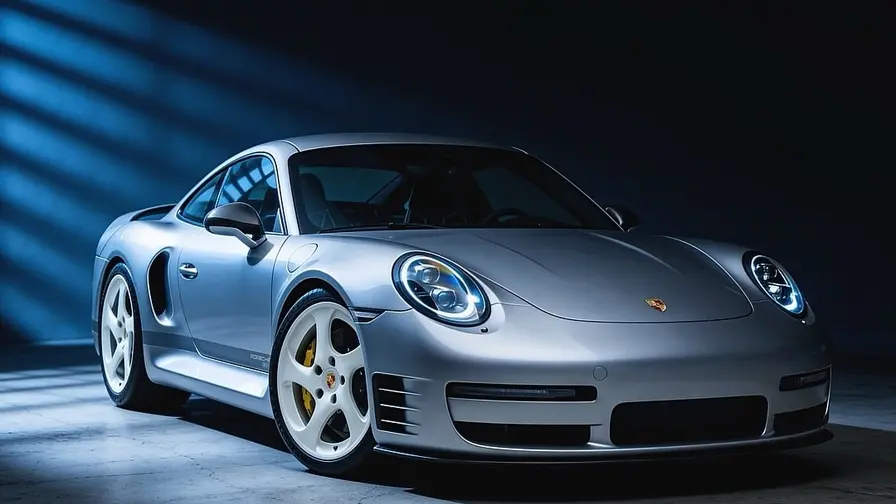
Industry chatter indicates the GT3 will not adopt the GTS T‑Hybrid system. Instead, rumors point to the 4.0-liter flat-six being reworked to accept a twin‑turbo arrangement, using lessons learned from Porsche’s 3.0-liter twin-turbo engines. That approach could deliver stronger mid-range torque — vital for track performance — while keeping peak output competitive with current and rival models.

What this means in practice:
- Better torque delivery across the rev range, improving drivability on circuits.
- Improved emissions and fuel efficiency compared with a high-strung naturally aspirated unit.
- A likely retention of lightweight engineering and track-focused chassis tuning to preserve the GT3’s character.
GT3 RS, Manthey editions and the future of the NA engine
If the base GT3 goes turbocharged, expect the hardcore GT3 RS and Manthey-enhanced variants to follow. Porsche may phase out the last of its naturally aspirated high-revving flat-six engines in road-going performance models as regulation pressures tighten — making current GT3s increasingly collectible as some of the final naturally aspirated purists.

Market positioning and what fans should know
The GT3 nameplate will remain Porsche’s track-focused proposition: lightweight materials, aggressive aero, race-tuned suspension and driver-centric ergonomics. Turbocharging changes the character, but it does not necessarily mean a loss of engagement. Porsche engineers historically tune turbocharged engines for linear throttle response and vivid feedback.
Key takeaways:
- The 2029 GT3 may adopt a twin-turbo 4.0-liter flat-six to meet emissions rules.
- CGI by Avarvarii offers a glimpse of an aerodynamically evolved GT3 silhouette.
- Expect GT3 RS and Manthey models to follow the same powertrain path.

Final thoughts
These developments highlight a crossroads for performance cars: how to retain driving purity while adapting to modern emissions and efficiency challenges. Whether purists accept a turbocharged GT3 will come down to how well Porsche tunes the drivetrain, chassis, and aero to keep the car unmistakably GT3 in spirit. For many enthusiasts, the current naturally aspirated 4.0 will remain a modern classic — and collectors' interest in outgoing NA GT3s could grow as the lineup moves into the turbo era.
What do you think — will a twin-turbo GT3 still feel like a true Porsche track car? Share your thoughts in the comments or on social media.
.avif "Porsche 911 GT3 R 2026 Upgrades Deepen Track Dominance with Aggressive Aerodynamics and Suspension Tweaks")

Leave a Comment
Comments
No comments yet. Be the first.