
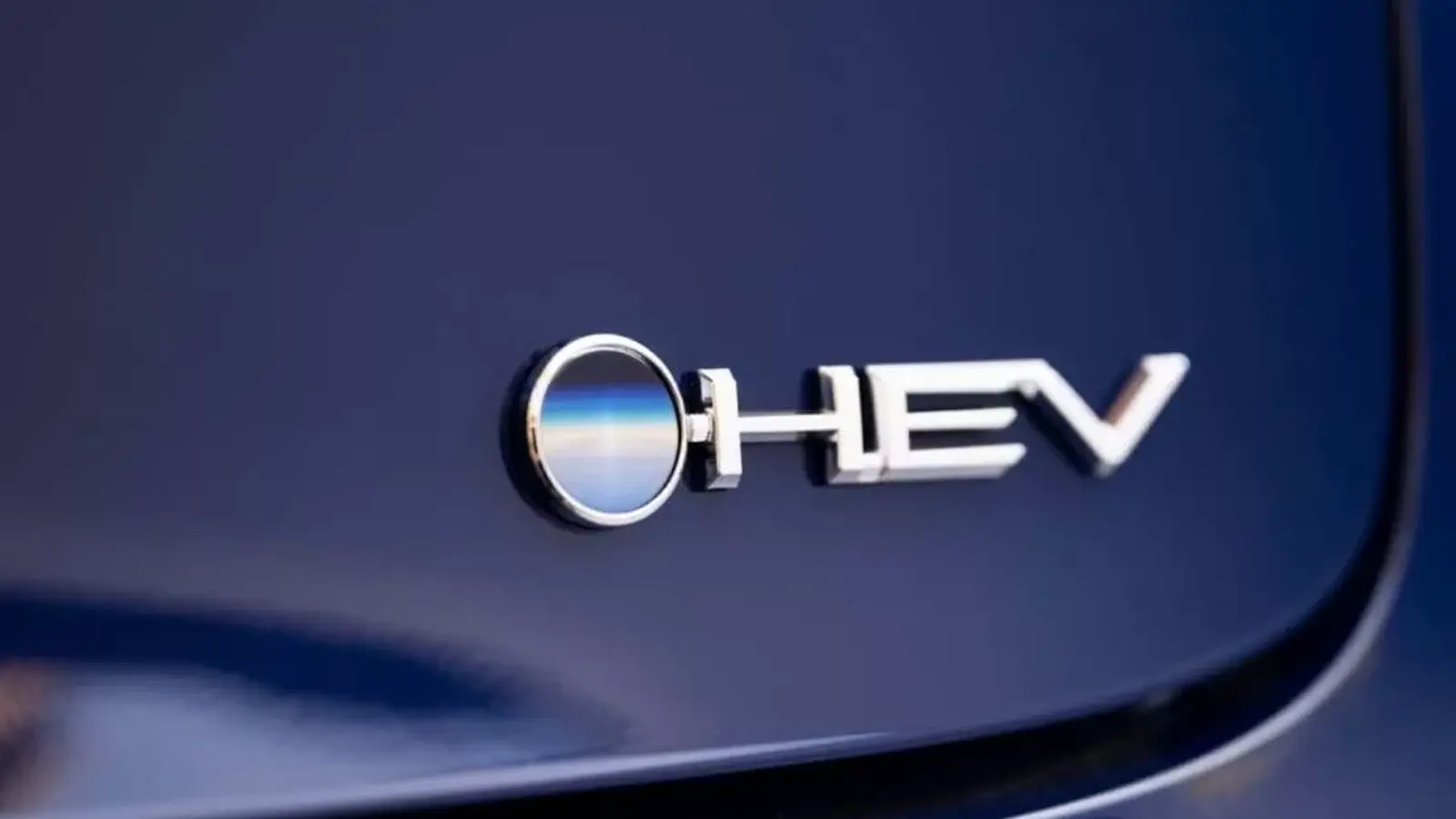
Toyota expects more than 5 million hybrid sales in 2026–27
Toyota predicts it will sell over 5 million hybrid vehicles this year — a milestone that underscores the automaker's long-standing commitment to electrified powertrains since the Prius first debuted nearly 30 years ago. While the industry conversation has shifted toward full battery-electric vehicles (EVs), Toyota's leadership argues hybrids remain the most practical global solution today given uneven charging infrastructure and higher EV prices.
Why hybrids still matter
Akio Toyoda, Toyota's chairman, has repeatedly defended hybrids as a balanced choice for many markets. Hybrids combine internal-combustion engines with electric motors to reduce fuel consumption and emissions without relying solely on public charging networks — an advantage in regions where fast chargers are scarce or grid upgrades lag.
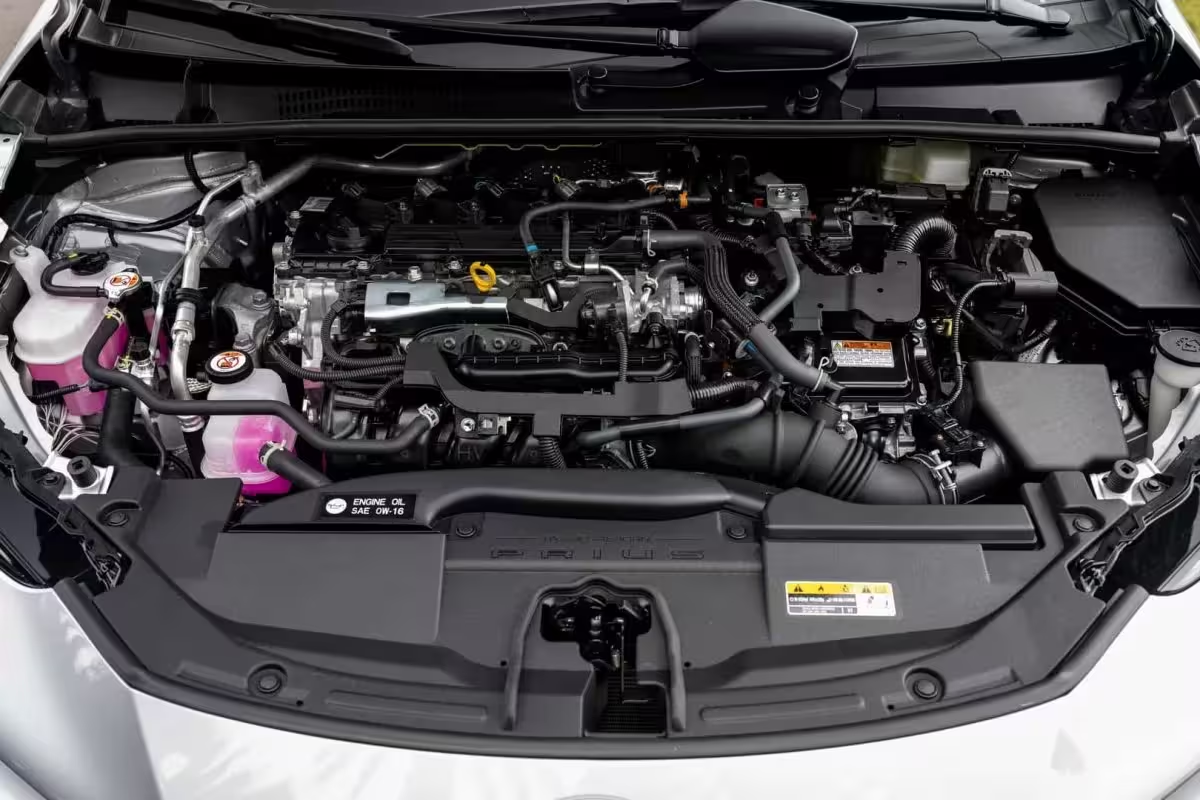
New battery production lines coming in 2027–28
In its latest quarterly financial report for fiscal 2027 (which begins April 1, 2026), Toyota confirmed plans to retool battery manufacturing lines in Japan to produce a new generation of hybrid battery packs between 2027 and 2028. Initial production capacity is aimed at supplying batteries for roughly 600,000 hybrid vehicles per year, with a phased capacity increase planned at least through 2030.
These next-gen battery packs are expected to deliver:
- Higher energy efficiency and lower fuel consumption
- Reduced manufacturing costs and improved unit economics
- Simultaneous use across Toyota and Lexus model lineups
By improving battery efficiency and lowering production costs, Toyota aims to strengthen the performance and competitiveness of its hybrid and plug-in hybrid models — from compact city cars to premium Lexus sedans and SUVs.
Market positioning and structural changes
Despite criticism that Toyota has been slower to pivot fully to battery-electric vehicles, the company remains the world's top automaker for the sixth consecutive year, selling about 11.3 million vehicles globally across Toyota, Lexus, Daihatsu, and Hino — ahead of Volkswagen Group. Much of Toyota's financial strength is tied to its hybrid lineup.

However, intensifying competition from Chinese manufacturers and shifting market dynamics have prompted Toyota to consider structural changes. CEO comments suggest the product portfolio is overly broad and that some models could be culled to streamline operations. Shoji Nishihara from Toyota's R&D division confirmed the company will relax excessively stringent standards on parts that are not visible to customers, asking suppliers to adopt more cost-efficient specifications.
Toyota's strategy signals a two-track approach: accelerate improvements in hybrid technology and battery production while optimizing costs and simplifying the model range. For consumers, that means continued access to fuel-efficient hybrids and, over time, more affordable electrified options as new battery tech rolls onto production lines.


Leave a Comment
Comments
No comments yet. Be the first.