
Apple is quietly building a new family of high-end gadgets stamped with the word "Ultra." Expect bold moves, not incremental updates. Small steps this is not.
According to reports, Apple plans to introduce three Ultra-branded products between late 2026 and early 2027.
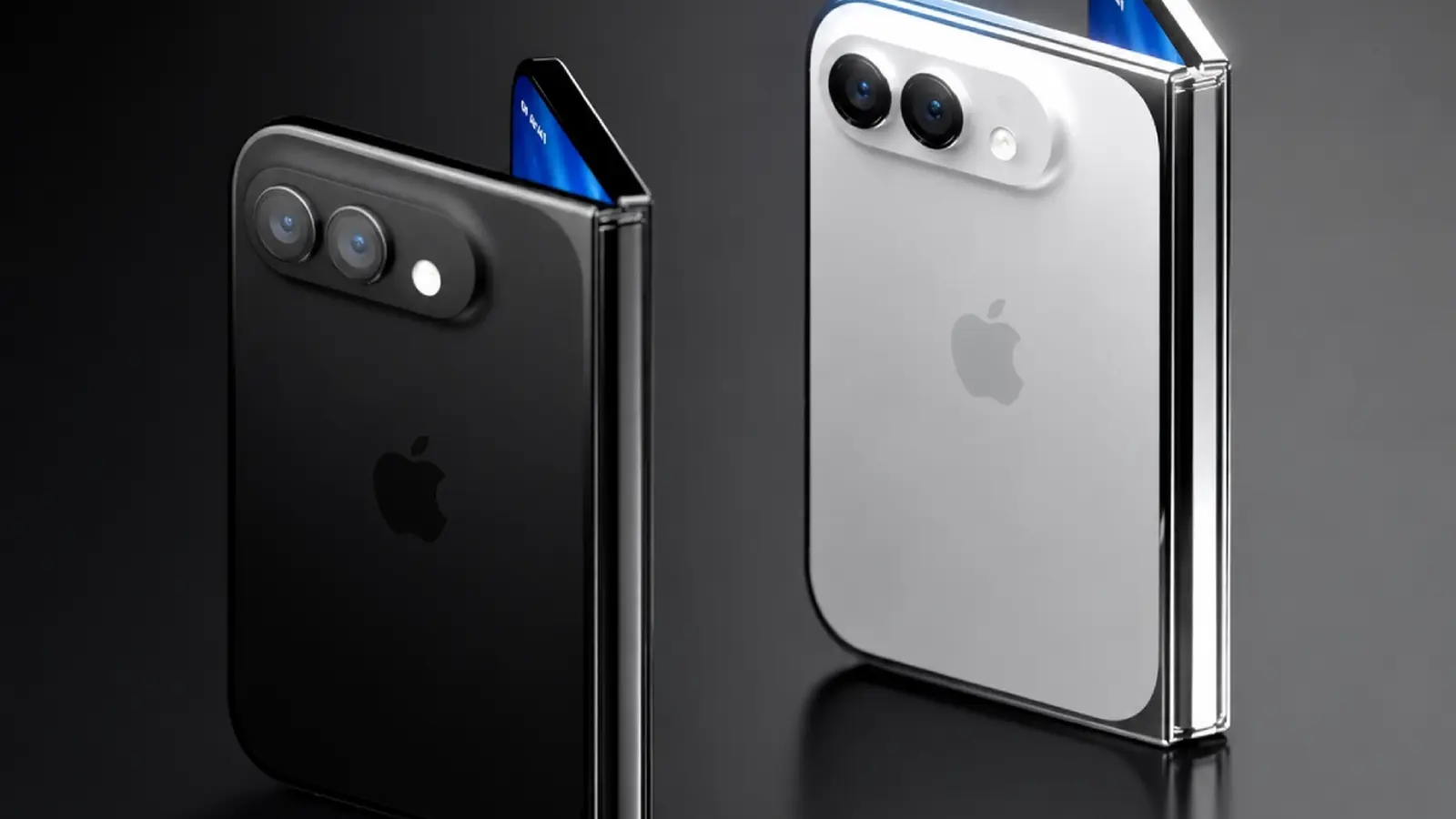
The marquee device in the rumor mill is a foldable iPhone, likely to be called the iPhone Ultra. It’s said to pair a 7.7-inch internal display with a 5.3-inch external screen, feature two rear cameras plus a front-facing shooter, and keep biometric security simple with a fingerprint sensor built into the power button. If those specs hold, the device will land in a premium price bracket — estimates put it between $1,999 and $2,499 — positioning it as a luxury pillar in Apple’s lineup.
Next up: AirPods Ultra. Think AirPods Pro, but with vision. Small infrared cameras embedded in the earbuds would act as the assistant’s "eyes," enabling visual queries about objects users look at. A tiny LED would make camera activity visible, and the hardware is expected to bolster iOS visual-intelligence features that tie into Siri and on-device image processing. Bloomberg’s reporting highlights the core idea: let voice meet sight so users can ask questions about the world they’re seeing.

Rounding out the trio is a MacBook Ultra, which reportedly brings an OLED touchscreen to Apple’s laptop family. Under the hood the machine may run M5 Pro and M5 Max chips, trade some of the Pro’s thickness for a sleeker silhouette, and adopt software and hardware touches borrowed from Apple’s mobile devices — Dynamic Island and a first-party modem for native 5G are among the rumored additions. If true, it would be Apple’s most ambitious convergence of mobile and desktop design to date.
There’s a throughline here: tighter integration of sensors, displays, and on-device intelligence. Apple appears to be betting that blending visual input with voice and more flexible form factors will create new kinds of user experiences — ones that justify the Ultra label and the premium that comes with it. The practical questions remain: how durable will a folding OLED iPhone be, how will privacy controls handle tiny cameras on earbuds, and will the market embrace a MacBook that behaves more like an advanced tablet?
Apple’s timetable suggests we won’t wait long to find out.

Leave a Comment
Comments
No comments yet. Be the first.