
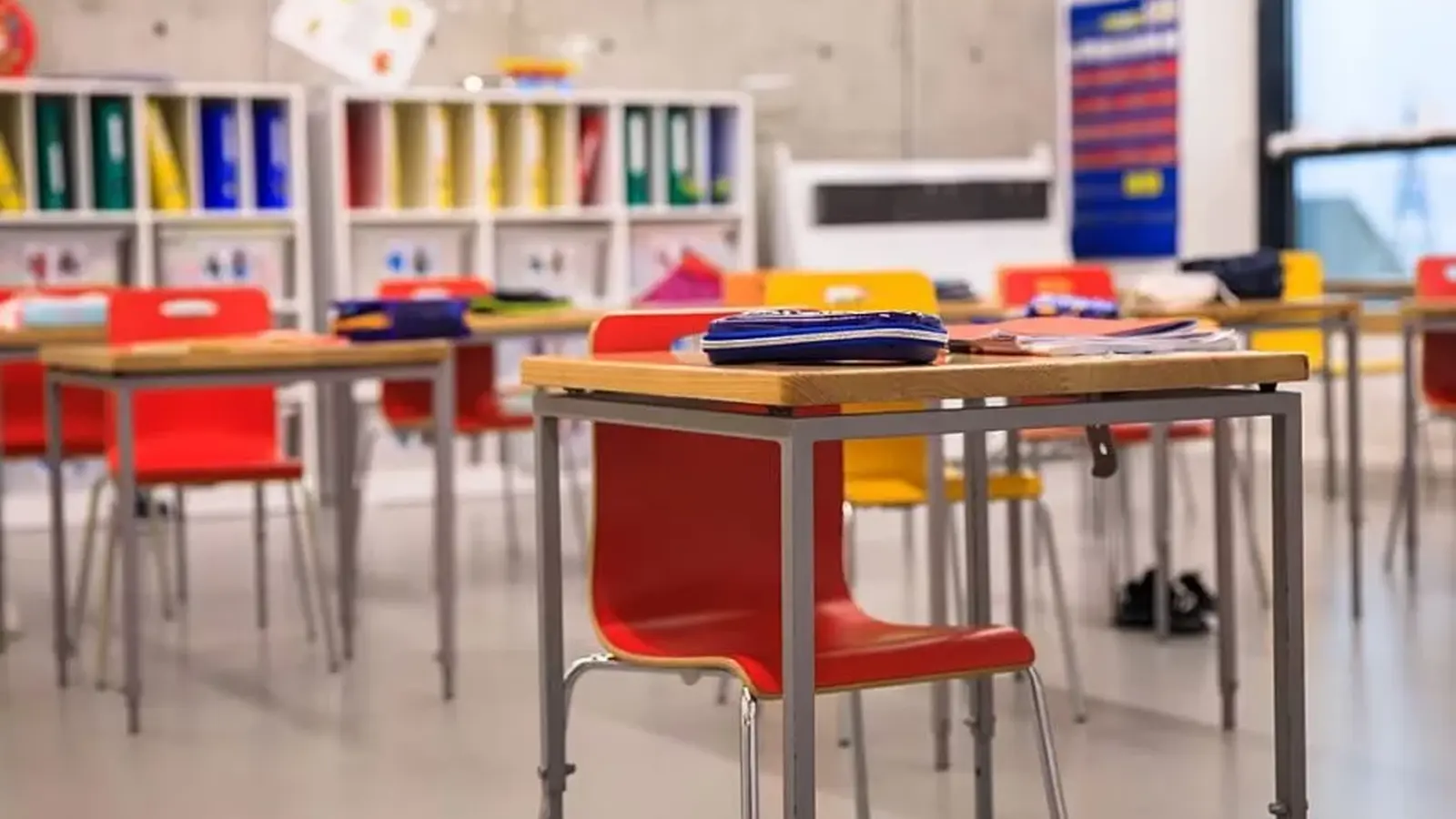
When the school bell rang this term in Denmark, classrooms looked familiar but the rules did not. Students returned under a tighter regime aimed squarely at a new kind of academic fraud: answers generated by artificial intelligence. The shift is immediate and uncompromising.
Magnus Heunicke, Denmark's education minister, rolled out a package of measures meant to choke off AI-enabled cheating before it becomes routine. The centerpiece: oral defenses for every take-home written exam. Short. Sharp. Face-to-face. Teachers will now ask students to explain and defend the work they submit—no more hiding behind a polished, AI-polished essay.
That requirement extends to the SSO exam, the large annual project many Danish secondary students complete; roughly 9,000 students participate each year. If a project was assembled at home, students should still be prepared to speak to its content in person. That change shifts the emphasis back to understanding, rather than merely producing flawless text.
But oral checks are only one prong. Schools must deploy screen-monitoring tools during written tests, and install stronger firewalls that limit online searches and access during lessons and assessments. Administrations are also being urged to invite students to write assignments on campus under supervised conditions so teachers can observe work in progress, give real-time feedback, and assess learning more accurately.

Heunicke says the moves are not about stamping out technology but protecting core skills: independent thinking, academic integrity, and the ability to reason. He plans consultations with schools, teachers and pupils to balance innovation and instruction. Denmark has already experimented with blending AI into exams—last year a pilot allowed AI use in oral English examinations—so this new stance arrives from experience rather than panic.
Across Europe, governments are asking similar questions. Norway recently all but banned AI tools for primary school children and tightened rules for older students. Public sentiment mirrors the complexity: a Eurobarometer poll found 54 percent of respondents see both benefits and challenges from AI in education and want more study, while 22 percent oppose its presence in the classroom outright.
The Danish response is pragmatic: hard rules plus dialogue. It acknowledges that AI can assist learning but also creates openings for misuse that traditional assessment models weren’t designed to close. Schools are being pushed to rethink how they evaluate knowledge when students can access sophisticated language models with a few keystrokes.
New rules force schools to balance innovation with academic integrity.
There are trade-offs. Greater monitoring raises privacy questions. On-site assignments can strain resources. Still, Denmark’s approach makes an argument worth considering globally: if education is to survive the AI era, assessment must change to reward understanding, not just polished output. Who decides what counts as learning? That debate is only getting started.


Leave a Comment
Comments
No comments yet. Be the first.