
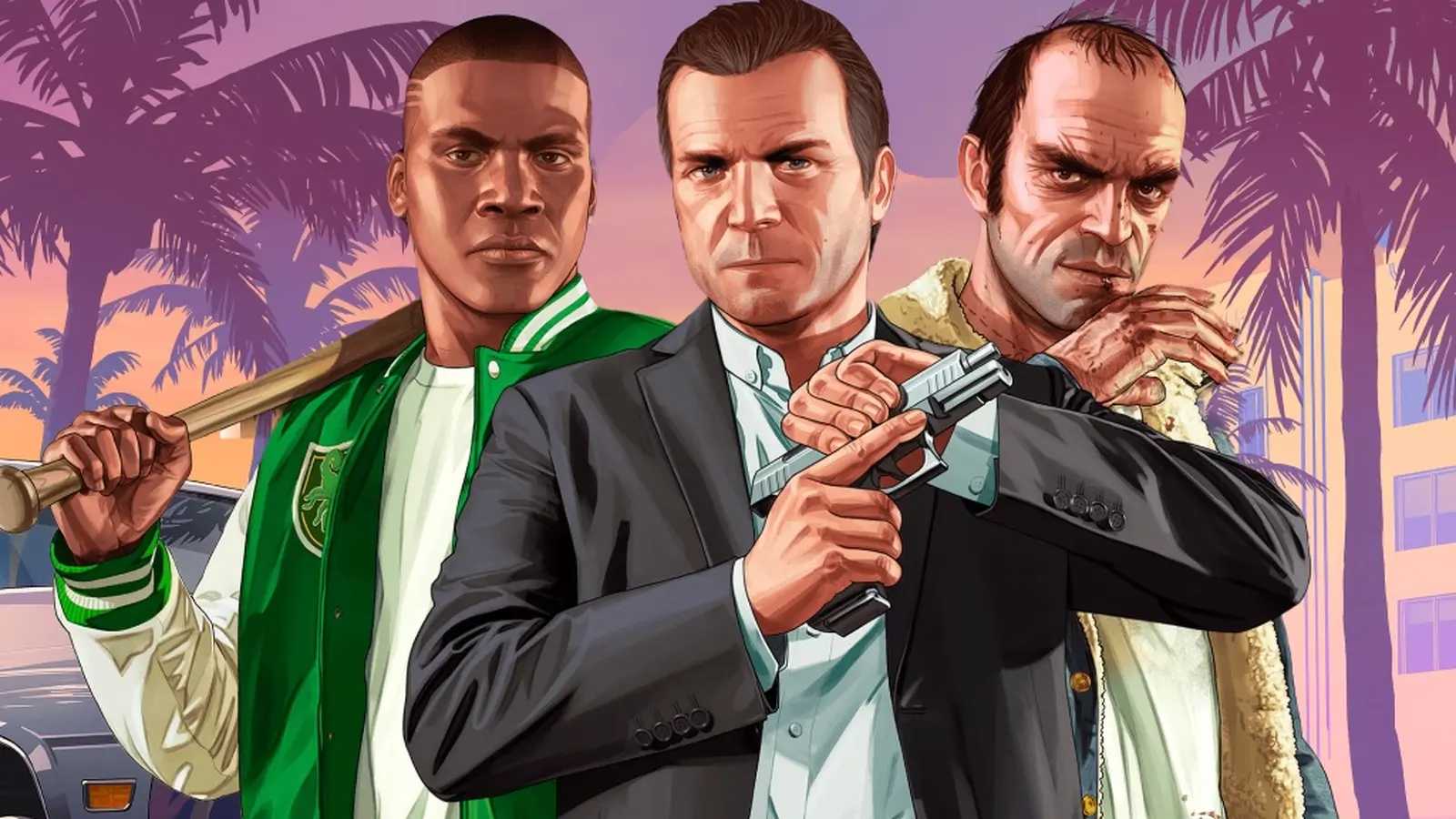
Two hundred thirty million copies. Think about that for a beat.
Take-Two announced that Grand Theft Auto V has crossed the 230 million mark since its 2013 launch. That single number carries more weight than a press release. It’s the kind of cultural footprint that stretches across consoles, generations, and time—fueled not only by the base game but by a relentless engine: GTA Online.
Staggering? Yes. But let’s translate the scale into things we can grasp. Iran’s mid-2026 population estimate sits near 93.2 million. Hand out two copies to every person there and you’d still have roughly 44 million games left on the shelf. Put another way, GTA V has sold about 2.5 times Iran’s population.
Want a regional comparison? The combined populations of Iran, Iraq, Afghanistan, Saudi Arabia, and the UAE add up to roughly 233 million people in 2026—almost a one-to-one match with the game’s sales. Numbers like these make corporate milestones feel oddly human-sized.

Or picture it as a stadium exercise. Azadi Stadium holds about 78,000 spectators. To seat 230 million people you’d have to fill that stadium nearly 2,944 times. Do it once a day and it would take more than eight years. The imagery helps: this isn’t a fleeting hit. It’s a long, sustained presence.
Broken down by time, the average since launch works out to roughly 49,000 copies sold per day, about 2,000 per hour, or roughly 34 every minute. Of course sales weren’t evenly paced—holiday spikes, platform launches, and major updates reshaped demand—but the averages reveal a steady momentum few titles ever achieve.
GTA’s cumulative franchise sales now approach 475 million copies, and Red Dead Redemption 2—Rockstar’s other blockbuster—has sold around 87 million copies since 2018, nudging its series toward 116 million in total. Those are not isolated hits; they’re pillars of a broader business built on continuous updates and a loyal player base.
Why does GTA V still sell after nearly 13 years? Because GTA Online is more than a multiplayer mode. It’s a living platform where new content, seasonal events, and player-created economies keep people logging in. That ongoing support converts a single purchase into years of engagement, which in turn keeps new sales flowing.
When a videogame reaches this scale, it stops being just entertainment and becomes a social phenomenon—one measured in downloads, hours played, and the conversations that spill into everyday life. What’s next for Rockstar, and how will the industry respond to models that blend persistent worlds with evergreen sales? The next update—or the next big idea—will tell us plenty.


Leave a Comment
Comments
No comments yet. Be the first.