
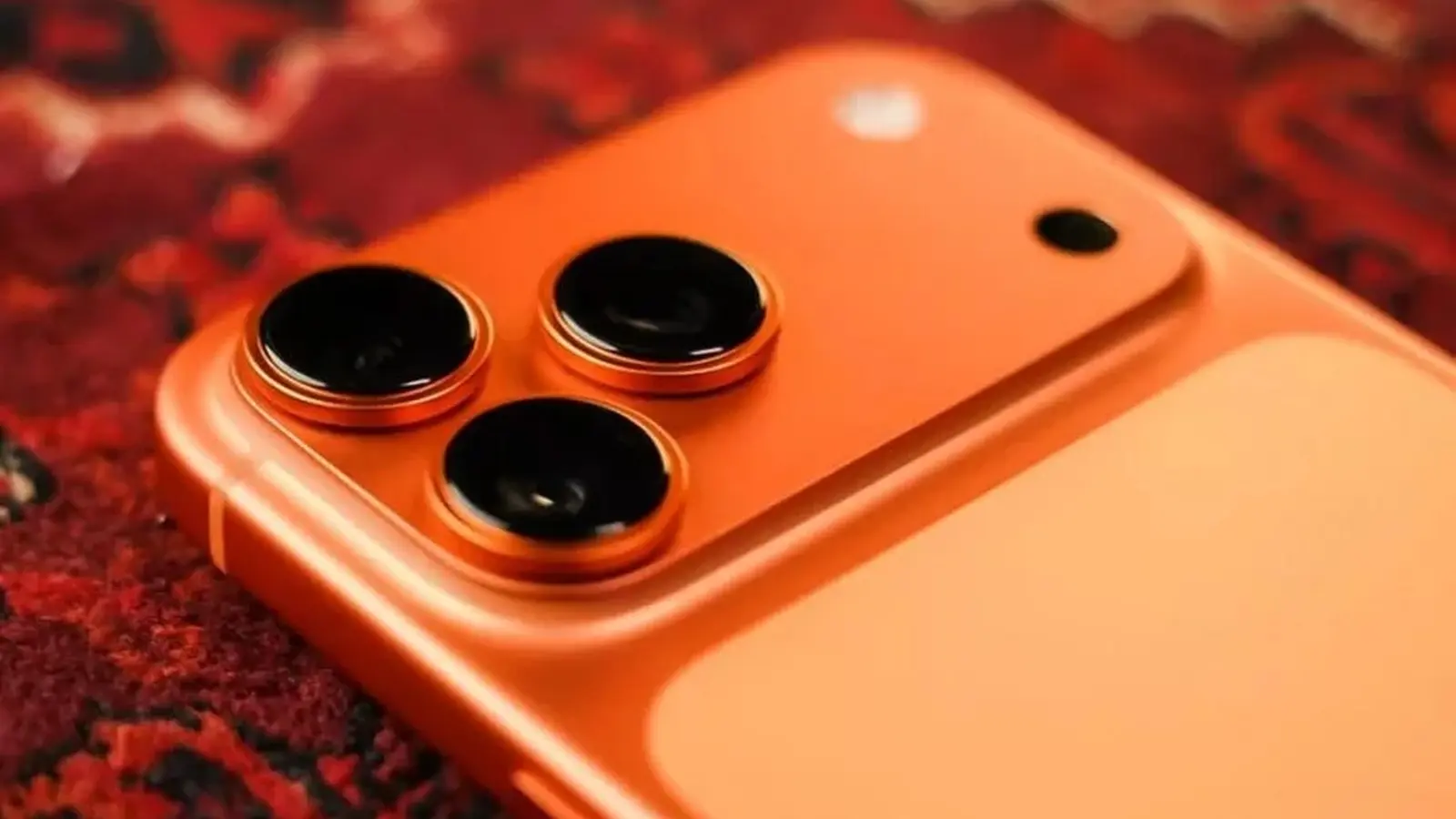
Apple considered preloading iPhones with users' data
Leaked details reveal that Apple once evaluated a controversial feature for its Apple Upgrade rental plan in the U.S.: delivering a replacement iPhone already populated with a user’s previous device data. Although this idea was discussed internally as an exclusive, premium benefit for customers renewing their subscription, it was ultimately removed from the final program.
What the proposed Apple Upgrade feature would have done
The concept was designed to eliminate the need for users to perform device setup and data migration. Under the plan, customers moving into their second year (or later) of the Apple Upgrade subscription could receive a new iPhone that was ready to use out of the box, with contacts, apps, settings, and personal data restored by Apple before delivery. For many, this would have simplified the iPhone upgrade experience and reduced friction compared with manual transfer processes.
Why Apple pulled the plug: privacy and technical concerns
Despite the convenience, implementing this approach would have required Apple to hold and transfer full copies of customers’ personal data — a move that conflicted with the company's longstanding privacy positioning that users retain ownership of their information. From a public-relations perspective, shipping phones preloaded with sensitive data could convey that Apple accesses or stores complete user profiles, which might undermine consumer trust.

Advanced Data Protection and service complexity
Beyond optics, technical obstacles also played a decisive role. Apple’s Advanced Data Protection (end-to-end encryption for iCloud data) prevents Apple from accessing certain user data. Because this feature is optional, some customers enable it while others do not. Offering a uniform preloaded-device service would have required Apple to provide different handling levels depending on whether Advanced Data Protection was active. That variation introduced significant implementation and support complexity.
Implications for crypto users and device security
The idea has particular resonance for cryptocurrency and blockchain users, who rely on private keys and seed phrases that must remain confidential. A preloaded phone that contained wallet credentials, passkeys, or decentralized identity information would raise immediate security concerns. Best practices for crypto security — such as using hardware wallets, storing seed phrases offline, and leveraging Secure Enclave protections — remain essential regardless of carrier or manufacturer convenience features.
Bottom line
Apple’s discarded plan highlights the tension between convenience and privacy. While a preconfigured iPhone could make upgrades smoother, the privacy guarantees and encryption tools many users depend on, especially in the crypto community, make such a service difficult to deliver without undermining trust or introducing hard technical trade-offs.


Leave a Comment
Comments
No comments yet. Be the first.