
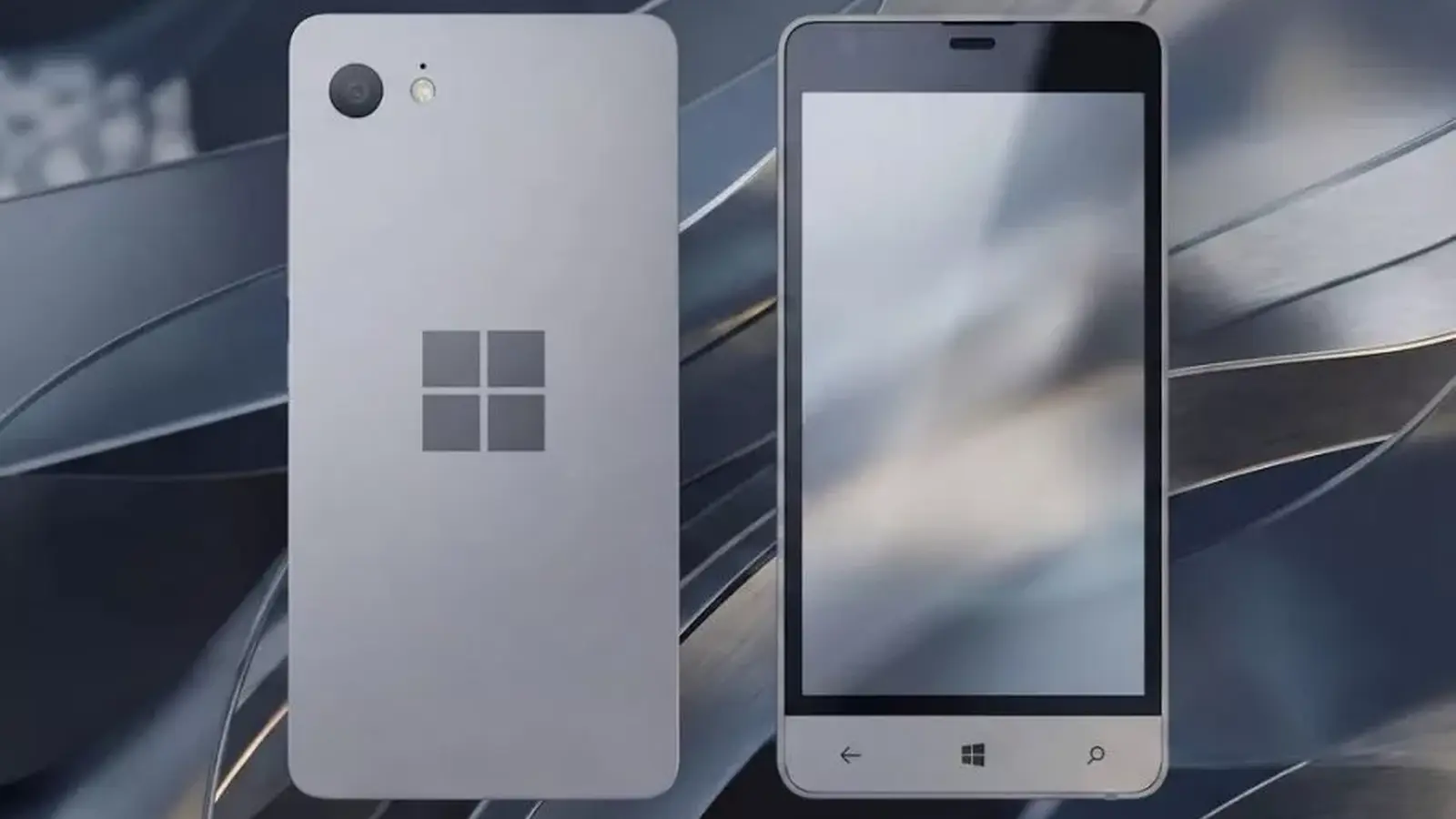
Leaked photos of a scrapped Microsoft handset have a way of pulling you back into an alternate timeline. The device, codenamed Raven, resurfaced in images published by Windows Central and looks more like a Surface tablet disguised as a phone than the curved devices that later dominated smartphone design.
Silver metal chassis. Microsoft logo on the back. Hardware touch buttons beneath the screen. If you squint, you could mistake it for a Surface 2 shrunk down to pocket size. Physical home, back and search keys — relics now — were staples of Windows Phone at the time, and Raven wore them like a badge.
Under the hood the prototype was modest by today’s standards: a 720p display and Windows Phone 8.1. Qualcomm silicon was expected to power it, likely one of the Snapdragon 200/400/600/800 families. Ports and controls were conventional — Micro‑USB, a 3.5mm jack, SIM tray on the left, separate volume keys, a dedicated camera shutter on the right and the power button up top.
So why did this Surface-branded phone never reach store shelves? The short answer: strategy. Microsoft’s acquisition of Nokia’s devices and services in September 2013 changed the company’s priorities. With the Lumia line, exemplified by budget hits like the Lumia 535, Microsoft shifted focus away from building a distinct Surface phone. The larger corporate decision effectively buried the Raven project. Windows Phone itself would lose official support by 2017.

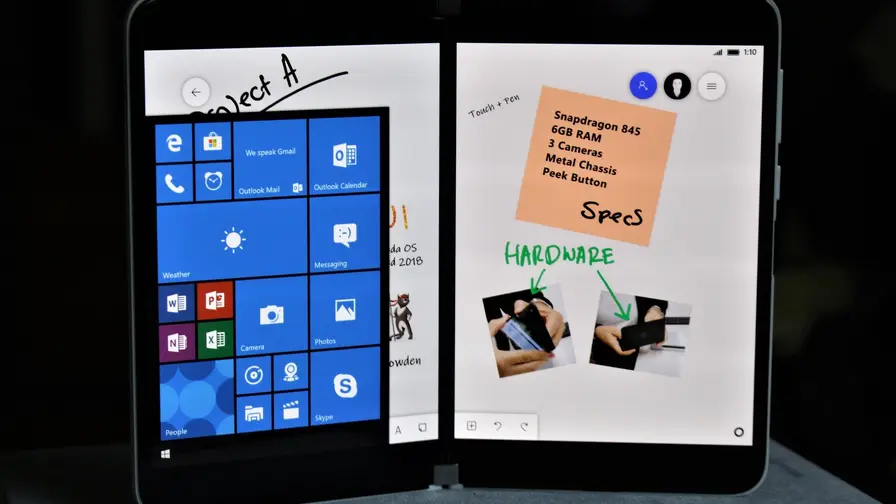
Fast forward to 2020. Microsoft returned to mobile hardware with Surface Duo — not a single-screen successor but a dual-screen Android device that tried to reimagine multitasking. Ambitious. Risky. The concept drew attention, yet software optimization lagged and the Duo found itself overshadowed by foldables such as Samsung’s Galaxy Fold lineup.
Analysts looking back often wonder if a conventional, single-screen Surface phone released around 2014 might have had a clearer path to consumer acceptance. Could a Surface-branded handset launched earlier have carved out a niche alongside Lumias? We’ll never know for sure. But the Raven images are a tangible reminder of a road not taken — a clean, metallic phantom from Microsoft’s mobile experiments.
For enthusiasts and historians of mobile design, Raven is more than a prototype. It’s evidence that even the biggest companies sketch multiple futures at once, and only some of those sketches become reality. What lesson does that leave for today’s hardware makers?

Leave a Comment
Comments
No comments yet. Be the first.