
2 Minutes
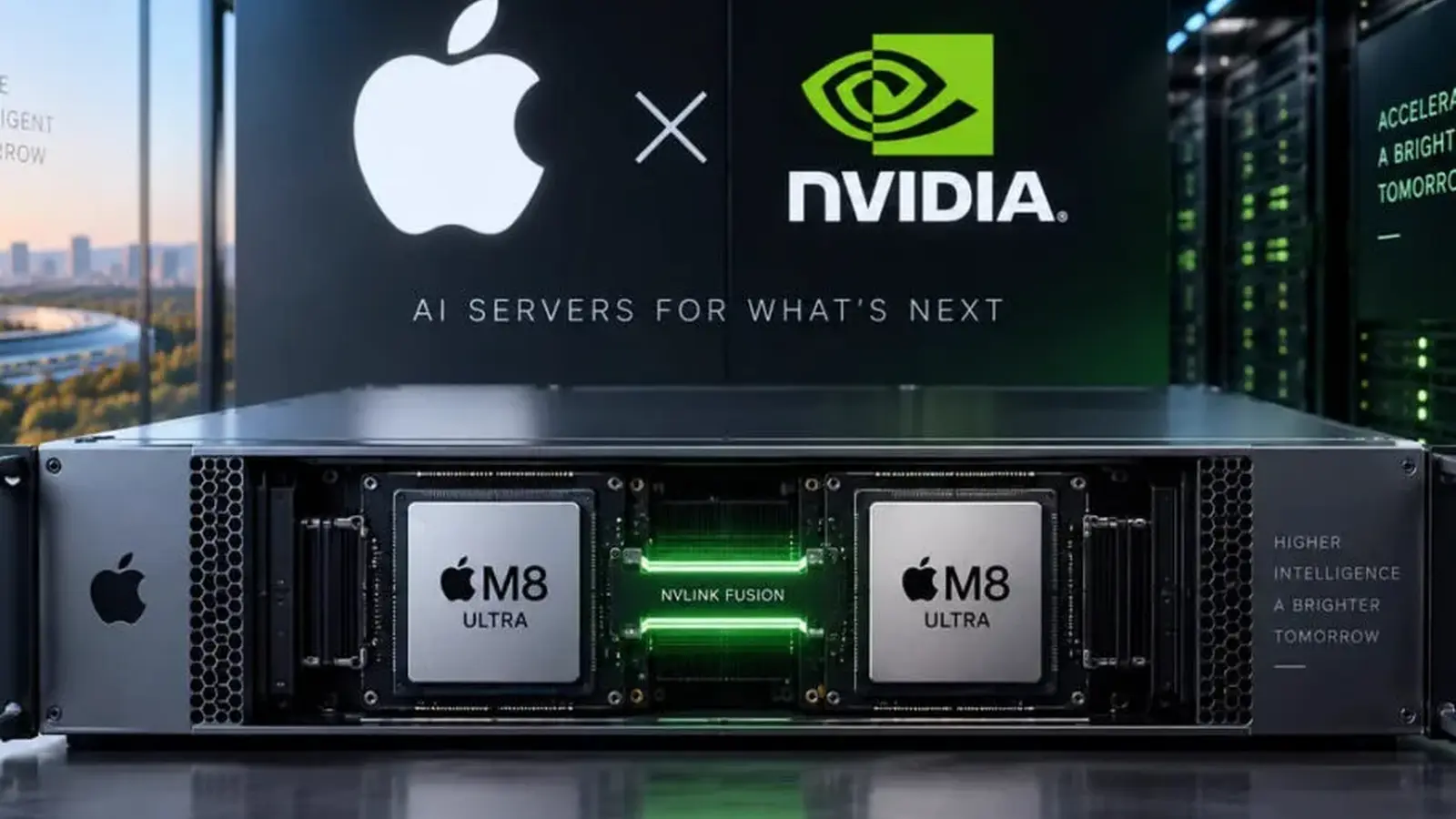
Apple is reportedly evaluating a formal return to commercial servers with a dedicated system built around its flagship M8 processors and networking technology from Nvidia, marking a potential first server product since Xserve was discontinued in 2011.
Proposed server hardware and timeline
According to published reports, Apple engineers plan to combine multiple M8-series chips in a single rack server and use Nvidia's NVLink Fusion platform to provide very high-speed interprocessor connectivity. The project remains in a technical evaluation phase, and any agreement between the two companies is not finalized. Reported target timing for a commercial release is 2029, though the project could be canceled or see specification changes before then.
NVLink Fusion and partner dynamics
NVLink Fusion is described in reports as an integrated hardware and software platform that enables high-throughput data transfers among processors. Apple is considering that platform to link multiple M8 chips because its current inter-chip communication approach would be costly to scale and would suffer bandwidth penalties. If Apple signs a contract that integrates Nvidia networking technology into its servers, Nvidia would gain a significant role in the new hardware and an opportunity to expand datacenter revenue beyond traditional GPU sales.
Origins and enterprise motivation
Reports say the server project began roughly one year ago under the full backing of John Ternus, who led hardware engineering at the time and is described in those reports as Apple's current chief executive. The immediate business rationale is demand from companies and organizations that want to run large artificial intelligence models on on-premises infrastructure, with a focus on inference and request processing. Apple already builds dedicated servers for its Private Cloud Compute, but it has not offered those cloud services to external commercial customers.
Operational and software hurdles
Beyond completing the physical server design, Apple would need to address several enterprise and software challenges before a commercial launch. Reported areas that require work include:
- Provisioning enterprise-grade support and services for organizational customers
- Expanding developer tools and software ecosystems to support on-premises AI workloads
- Developing and maturing a dedicated software framework, referenced in reports as MLX
- Resolving integration, testing, and potential specification trade-offs between Apple silicon and Nvidia networking


Leave a Comment
Comments
No comments yet. Be the first.