

2 Minutes
Reports from Korean media and supply-chain sources indicate Apple may face another retail price increase for the iPhone 18 lineup in 2027 after new memory price agreements raised expected component costs for mobile devices.
Memory price renegotiations and new rates
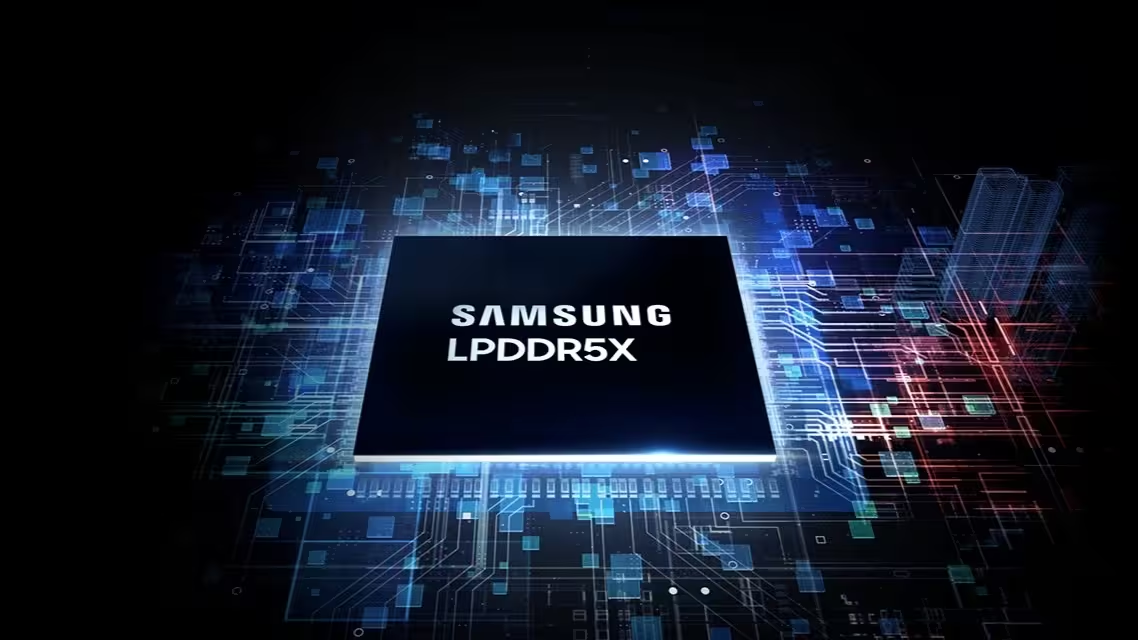
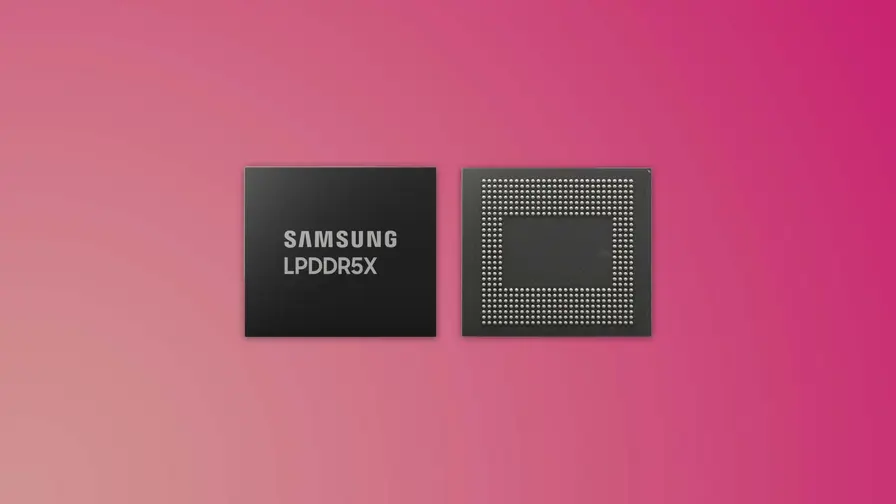
According to Korean outlets and supply-chain contacts, Samsung has renegotiated DRAM and NAND rates with major phone makers, including Apple, and the new prices are set to take effect in the first quarter of 2027. Under the reported deal, Apple would pay close to $2.00 per gigabit for LPDDR5X RAM and $0.33 per gigabit for NAND. For comparison, Samsung's third-quarter 2026 prices were about $1.50 per gigabit for mobile DRAM and $0.26 per gigabit for NAND, which represents roughly a 33 percent increase for RAM and a 27 percent increase for storage.
Implications for iPhone bill of materials and retail pricing
Those higher memory costs would apply directly to the bill of materials (BOM) for future iPhones and potentially other Apple devices. Memory already constitutes a meaningful portion of the BOM, so sustained increases in per-gigabit pricing make it more difficult for manufacturers to maintain existing retail prices while protecting margins. Apple’s latest flagships, the iPhone 18 Pro and iPhone 18 Pro Max, launched $100 higher than their 2025 predecessors, and the same $100 increase appeared on older iPhone 17 and iPhone 16 models. The recent pattern makes another retail hike for the 2027 iPhone lineup a realistic possibility, though it remains uncertain how much of the component cost rise Apple would pass on to consumers.
Supplier responses and AI-driven demand pressures
Sources say Samsung approached several manufacturers about the price changes. Oppo and Vivo reportedly pushed back on the higher rates, leaving open which suppliers or sourcing strategies they might pursue for upcoming flagships. Producers such as Samsung and SK hynix have been prioritizing higher-margin products, notably high-bandwidth memory for servers, as AI data-center demand tightens supply of mobile DRAM and NAND. That shift in producer priorities is cited by suppliers as a key factor tightening mobile memory supply.

Leave a Comment
Comments
No comments yet. Be the first.