
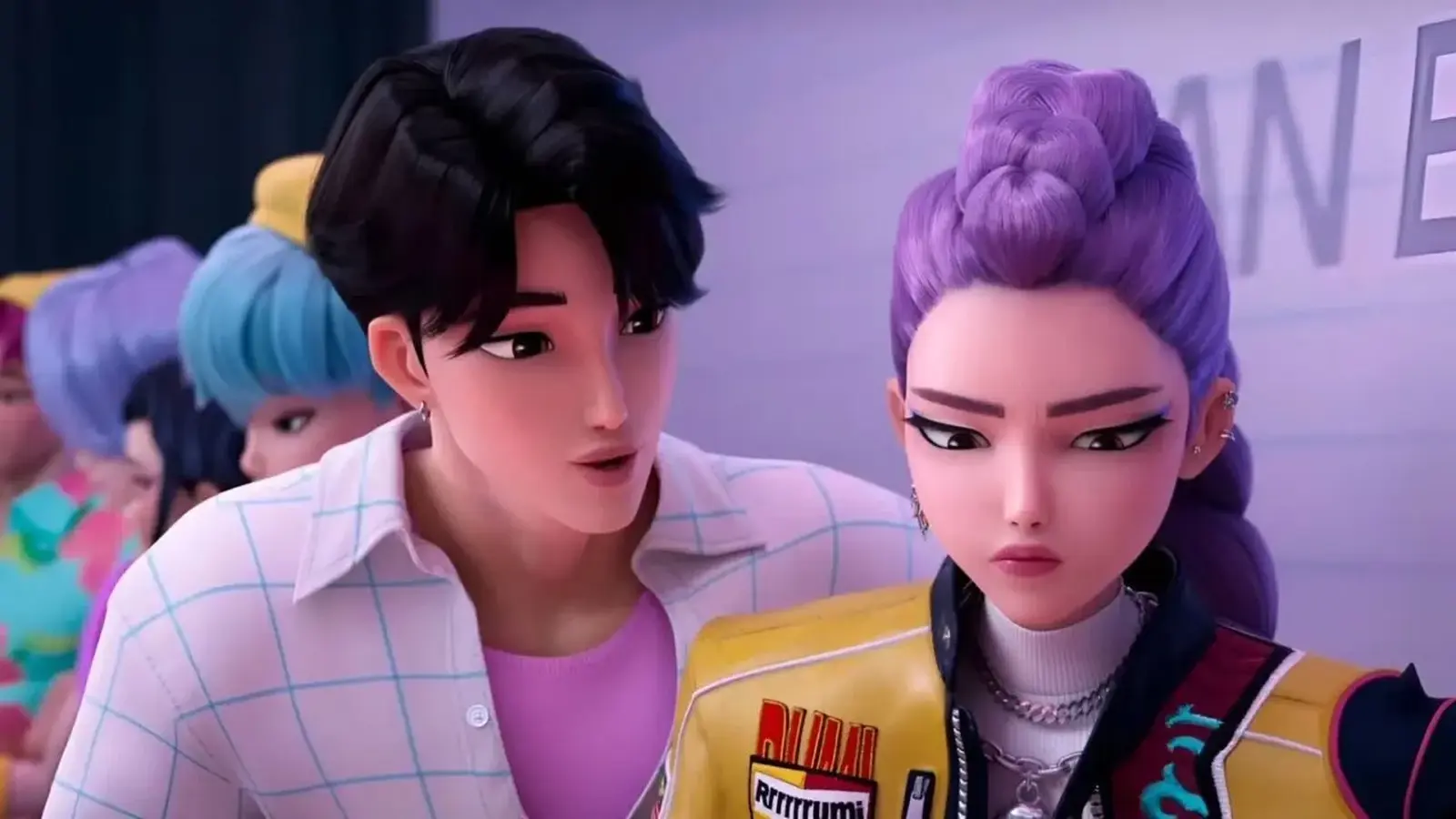
No press blitz. No trailer drop. Just a quiet backstage decision that could send KPop Demon Hunters from streaming sensation to box-office phenomenon.
The news surfaced in a October 20 piece by The Hollywood Reporter, buried inside a broader look at the exit of former Netflix film chief Dan Lin. According to the report, Lin played a role in pushing for a theatrical rollout for KPop Demon Hunters 2 — a move that, if confirmed, marks a clear shift from Netflix’s pandemic-era playbook.
Why the change? Because the first film exploded beyond expectations. It didn’t just perform well on Netflix; it rewired pop culture. Halloween costumes inspired by its characters flooded closets. Sing-along edits and covers proliferated. The voice artists and singers — AGA, RYMI, and Audrey Nuna among them — took the soundtrack to stages big and small, even landing a performance at the Oscars. Brand tie-ins followed. McDonald’s, Fortnite and LEGO collaborations turned the property into a cross-platform phenomenon. When a film becomes a cultural event, the calculus for releases changes fast.
Industry outlets have been sketching the follow-up plan for months. Variety first reported in late 2025 that Netflix and Sony had struck a deal for a second animated feature, targeting a 2029 release. Around the same time, The Wrap outlined a far more ambitious roadmap: a live-action adaptation, a stage show, two theatrical sequels intended as a trilogy, plus a spinoff series and a short film. Netflix has not formally confirmed any of those projects yet, but the ambitions feel aligned with the first film’s reach.
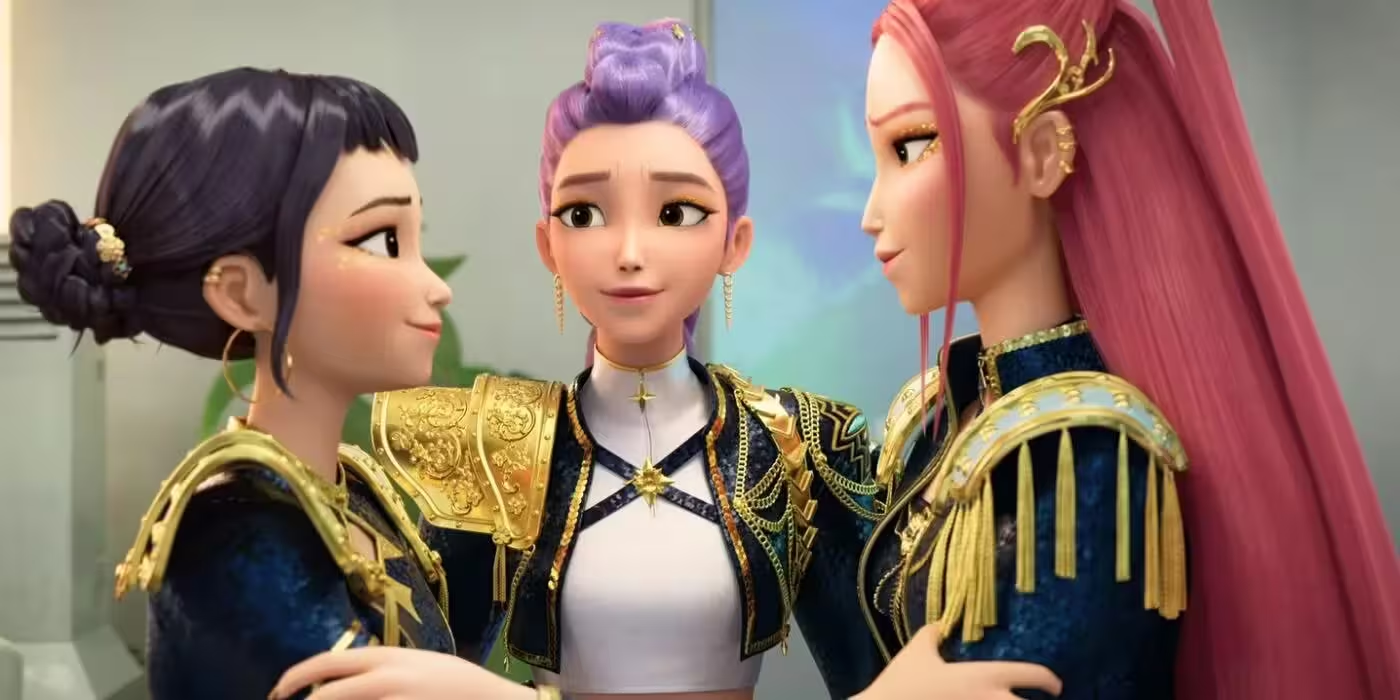
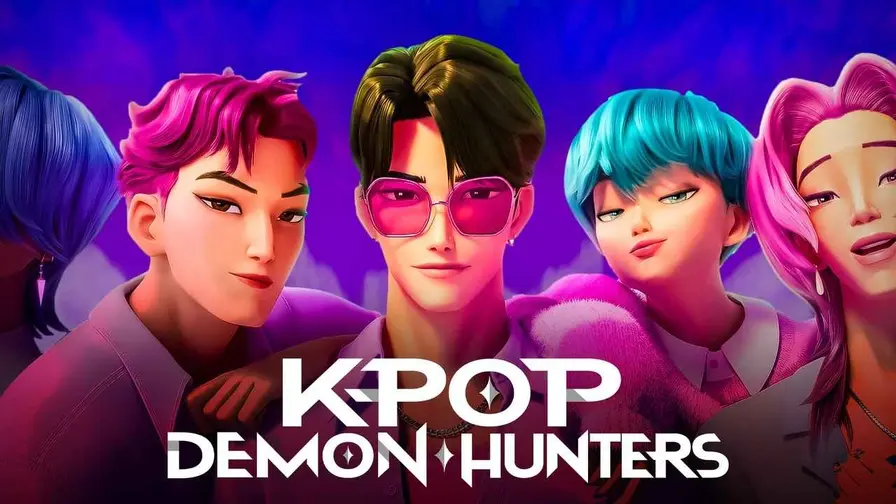
Maggie Kang, one of the animation’s directors, has been explicit about the story potential. In interviews she argued that an 85-minute film could only scratch the surface of Huntrix’s world and their mission to protect Honmoon. There are backstories to unpack, mysteries to follow, and corners of the universe still unexplored. That kind of narrative density is tailor-made for follow-ups and expanded formats.
Still, the decision to go theatrical is more than a creative call. It’s a strategic one. Netflix executives have wrestled internally over release strategies since the pandemic reshaped viewing habits. Ted Sarandos, the company’s co-CEO, has championed streaming-first premieres, while executives like Dan Lin—at least according to multiple reports—have been vocal proponents of theatrical windows for tentpole titles. The first film’s limited theatrical run, which drew crowds once Netflix realized the scale of the hit, likely sharpened the argument: if audiences will pay to see this on the big screen, why not give them that option from day one?
What makes this especially interesting is timing. If the 2029 target holds, Netflix and its partners have time to refine a release strategy that balances streaming metrics with box-office returns and licensing deals. Studios earn different kinds of value from theaters: publicity, prestige, and, yes, revenue streams that don’t immediately show up in platform viewing numbers. For a property already proving its merchandising and cross-promotional worth, the upside is clear.
Of course, there are caveats. The Hollywood Reporter itself noted that the theatrical decision had not been officially announced. Corporate plans shift. Rights negotiations and global distribution logistics can slow even the most promising projects. Still, the narrative arc feels familiar: a sleeper hit grows into a franchise, and the holders of intellectual property begin designing a larger architectural plan around it.
What’s changing is less the story than the way studios think about releasing it — and KPop Demon Hunters might be the first major case study of that new thinking.
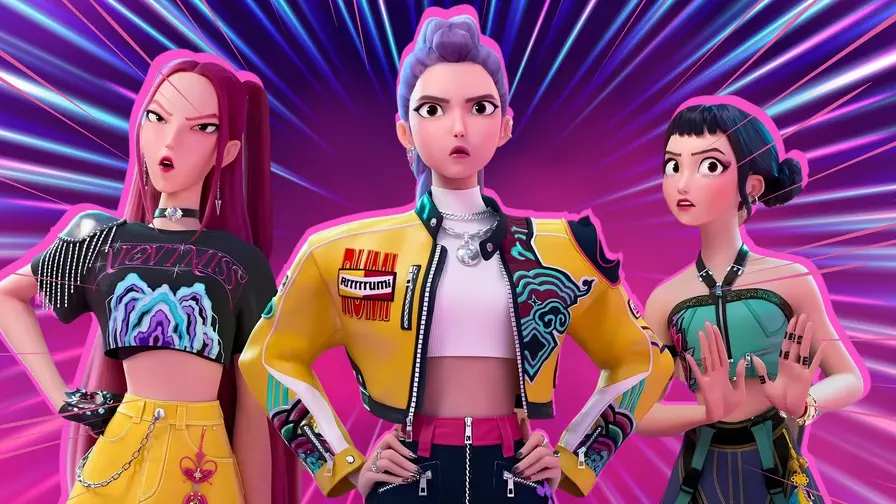
Fans will watch for official confirmations: release dates, cast returns, and whether the live-action and stage concepts will move beyond rumor. Whatever comes next, the first film made one thing abundantly clear: when a title captures global attention, studios take notice — and they adapt.

Leave a Comment
Comments
No comments yet. Be the first.