
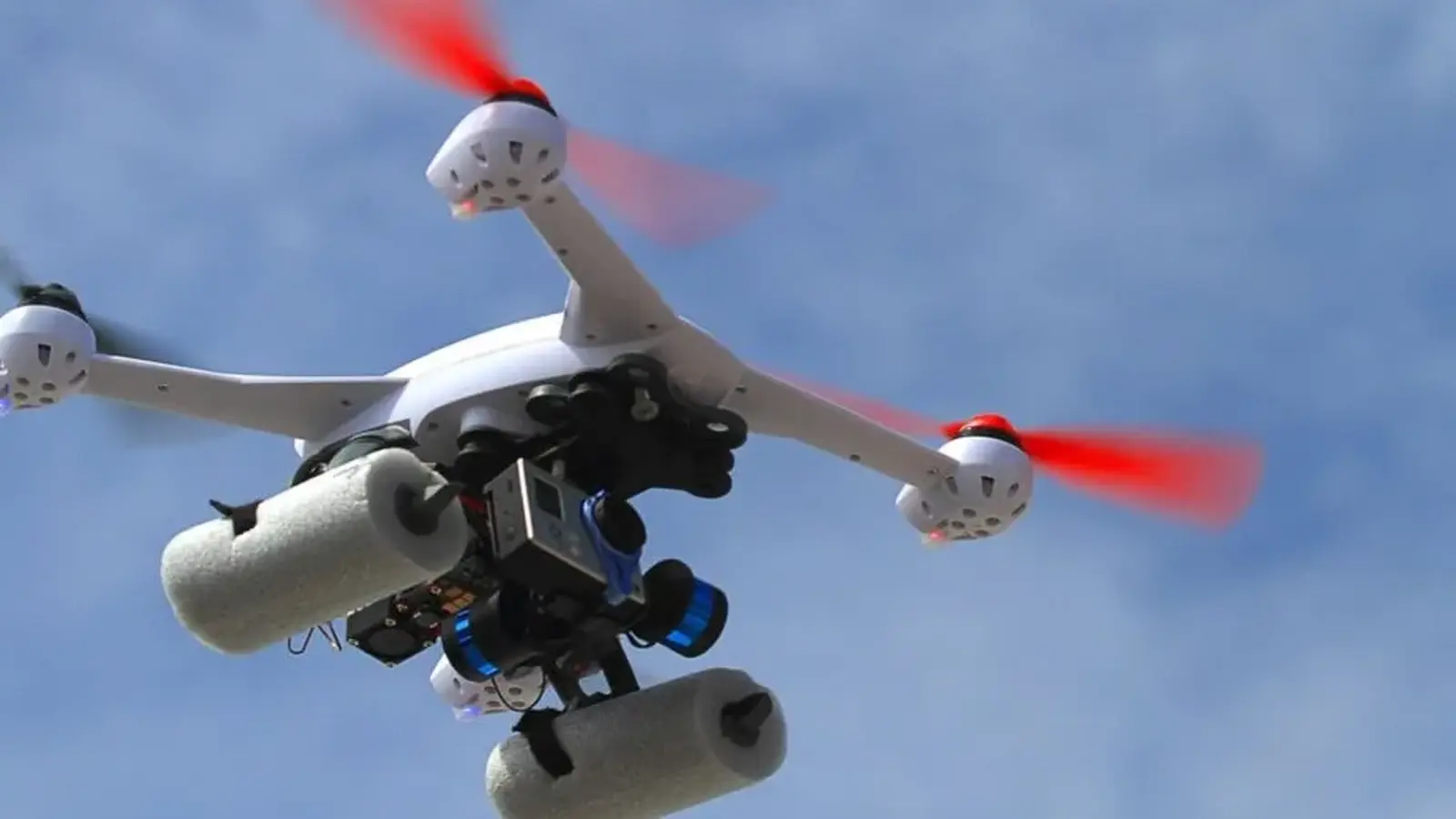
A Chinese military drone that fires a syringe-like dart to deliver an intramuscular injection to wounded personnel has been unveiled. The system, developed by the Chinese Air Force Medical University, is presented as a way to deliver emergency drugs from a distance and stabilise casualties before rescue teams can enter dangerous areas.
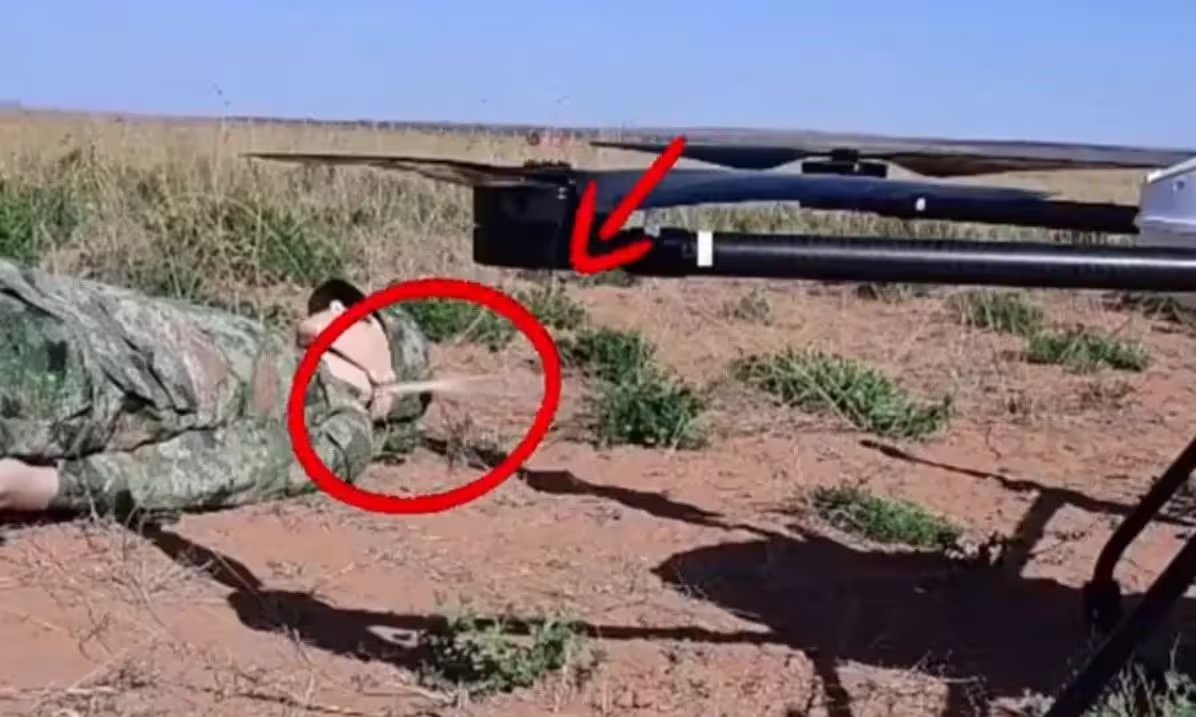
University representative Wang Jianqi told state broadcaster CCTV that this is the first Chinese military drone intended to search for and deliver medical aid to casualties. Footage released during the broadcast shows the drone firing a dart toward a soldier lying on the ground; Wang said the platform can deliver emergency medication to any location the drone can reach.
How the system works and its limits
The drone carries a dart containing a dose of medication designed to be injected into a casualty's muscle, enabling basic life-saving measures without the immediate presence of medics. The stated goal is to stabilise injured personnel and buy time until ground or manned evacuation can occur.
Developers and analysts stress that the injecting drone addresses only an initial, emergency stage of care. Military analyst Song Zhongping cited recent conflicts in Ukraine and the Middle East to note that the distinction between front lines and rear areas is increasingly blurred, leaving casualties dispersed across wider areas and sometimes inaccessible to traditional medevac teams.
Technical and operational challenges remain. Wang acknowledged that combined ground and aerial casualty-recovery systems are still experimental. One of the principal hurdles is retrieving and placing wounded people on unmanned platforms for transfer, a task that current systems cannot yet perform reliably.
Field trials and noncombat uses
Separate exercises conducted by Hospital 967 of the Joint Logistic Support Force tested a wider suite of robotic medical tools. Thermal-camera drones were used to locate casualties, small cargo drones carried emergency medical equipment into hard-to-reach areas, and quadruped robot dogs entered narrow passages to search for victims and relay environmental information to rescuers.
Officials and observers say these systems also have clear civilian applications. After landslides, road collapses or floods, drones could deliver medication and essential supplies to trapped people without exposing helicopters or rescue crews to additional risk. The technology remains at the testing stage and is presented by developers as a complement to, not a replacement for, human-led medical evacuation.
The stated intent is to stabilise injured personnel remotely so trained teams can reach them safely, while broader recovery and transfer capabilities remain under development.


Leave a Comment
Comments
No comments yet. Be the first.