
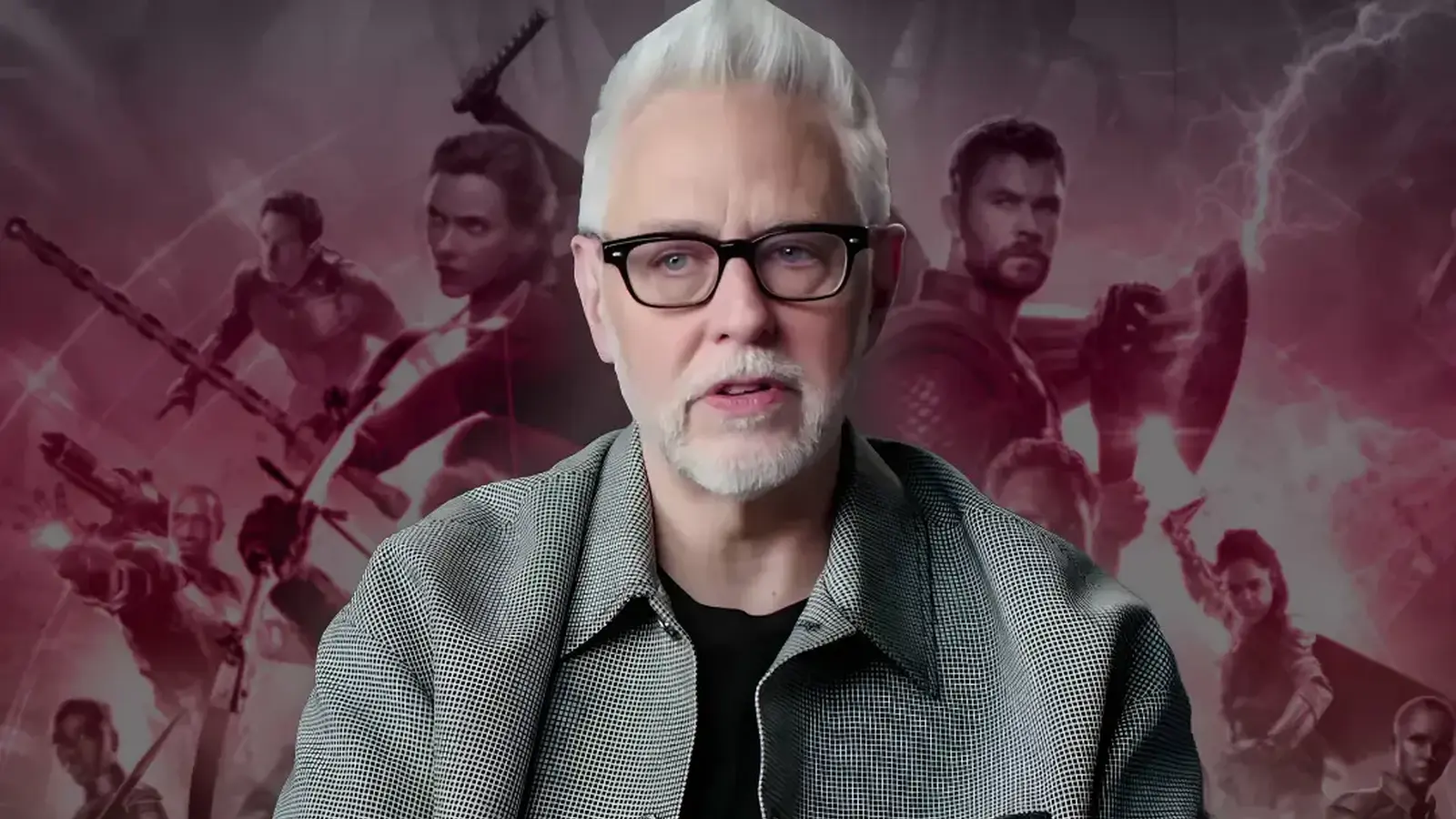
November’s bulletin from Warner Bros. landed like a plot twist: James Gunn and Peter Safran are stepping away from day-to-day leadership at DC Studios after four headline-making years. They won’t vanish entirely—creative roles remain—but the move still leaves the studio’s future feeling, for now, intriguingly unsettled.
James Watkins, the director of Clayface, found himself answering questions about that very shakeup just a day after the announcement. The film was already on its third week and drawing solid numbers. Audiences were talking. Critics, too. And yet Watkins was blunt: he hadn’t been part of any internal conversations about new leadership or long-term plans. He could only speak to what he’d experienced firsthand.
“Working with James and Peter was a really great experience,” he told ScreenRant, and he meant it. Short sentence. Honest sentiment. Watkins emphasized that the duo gave him the freedom to build the film he wanted, offering support rather than interference — and that, he said, is rare and valuable in a studio environment. He wished them well and, with an almost rueful smile, declined to speculate beyond that.
Gunn and Safran’s shift doesn’t mean an immediate creative blackout at DC. Projects like Man of Tomorrow and the HBO Max series The People V. Gorilla Grodd are still in post-production, and Gunn himself keeps busy on a third, tightly guarded film. But for filmmakers who’ve just navigated a major release, leadership changes raise obvious questions: who will steer the ship next, and how will that affect the tone and risk appetite of DC’s slate?

Watkins’ answer about his own future was refreshingly specific. He’s steering toward grounded science fiction — survival stories with an emotional anchor — and remains deeply drawn to the “horror-adjacent” lane. Not straight horror, he clarified, but films that live close enough to the genre’s edges to probe modern anxieties. Think realism with a slow-burn chill.
He referenced recent films that have broadened what counting as horror can mean, naming Backrooms and Obsession as examples of works that shift expectations. Clayface, he suggested, sits in the same neighborhood: it surprised viewers who don’t typically buy a ticket for a scary movie. That, to him, is the point. Stories shouldn’t be forced into narrow categories. They either connect with an audience, or they don’t.
Watkins also talked about the communal power of cinema — why certain scenes land harder when hundreds of strangers gasp in the dark together. He singled out a nightclub sequence in Clayface as precisely that kind of moment: best experienced with a crowd, like a live concert’s shared high. Films that flirt with dread, he believes, are uniquely capable of producing those shared thrills.
So what’s next for Watkins? He has ideas, scripts in various stages, and a clear appetite for films that test the blurry boundary between genre and mainstream. Sequels to Clayface — especially with its lead Tom Rees-Harris — don’t seem likely at the moment, but that hasn’t dulled his ambition to find the right next project: something bold, correctly strange, and made for theaters.
Clayface remains in cinemas now, and Watkins is keeping his eyes on stories that provoke, unsettle, and, yes, bring people back into dark rooms together to feel something real.


Leave a Comment
Comments
No comments yet. Be the first.