
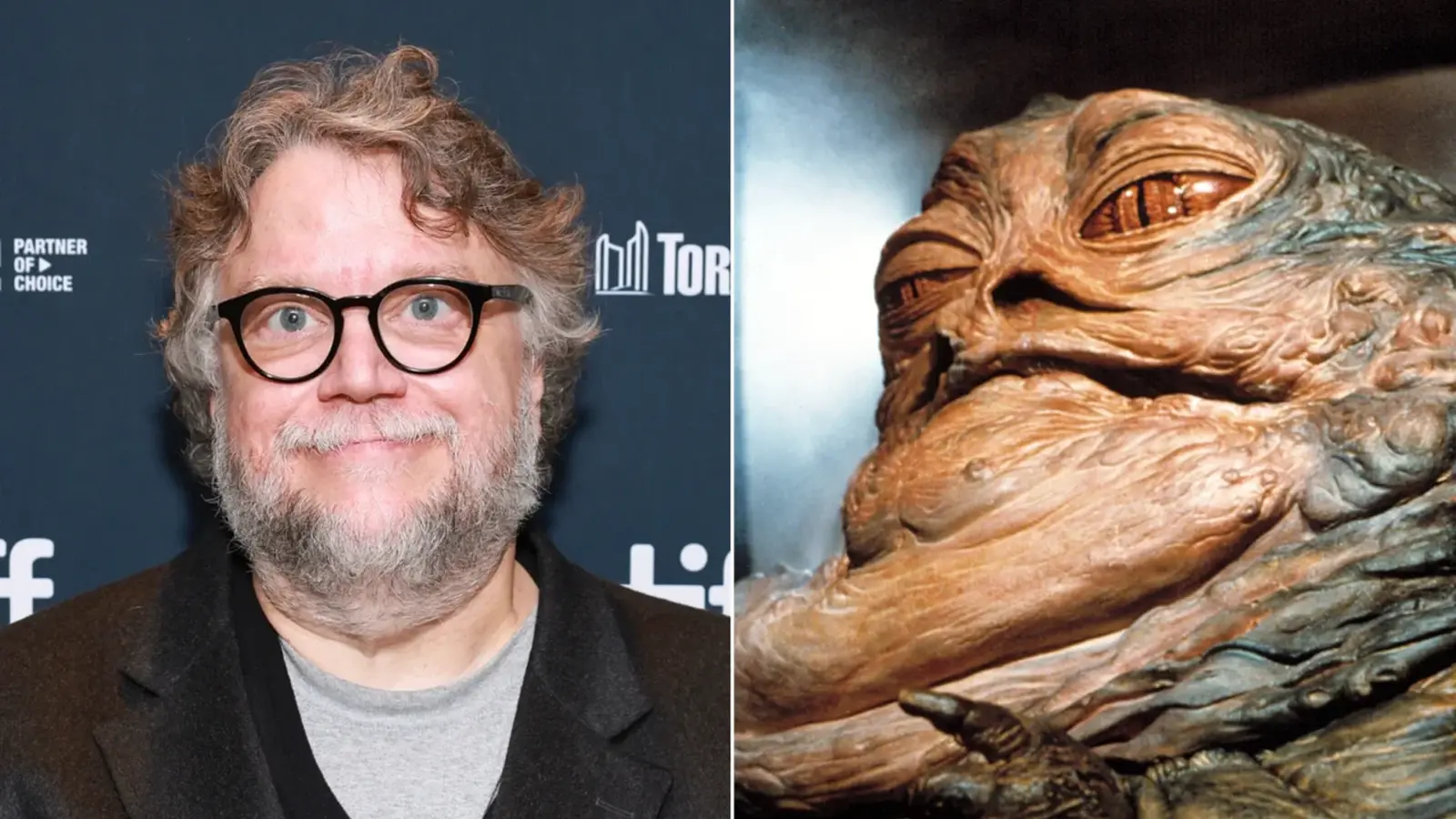
Imagine a Godfather-style crime saga set in the shadowy corners of the Star Wars galaxy. Short sentence. Guillermo del Toro and David S. Goyer actually wrote that script — and for a time they were pushing to bring it to life.
Del Toro has just reopened the folder on a project fans only ever guessed at. He confirmed that their screenplay, titled The Rise and Fall of Jabba the Hutt, was fully formed, and that he even produced concept art and sculptures to visualize the hulking crime lord at the center of the story. These weren't throwaway sketches. They were part of an earnest, early phase of production.
This was not a lightsaber spectacle or a galaxy-shattering weapon. Instead, del Toro imagined a slow, corrosive climb to power: inter-clan politics, betrayals traded in back alleys, and the grim mechanics of organized crime on distant worlds. Think Corleone family moves written among cantina smoke and alien currencies.
Del Toro first spoke about the idea in 2015, calling it a mafia epic transplanted into the Star Wars criminal underworld. He explained then that Jabba's rise to the head of the Hutt family felt like fertile ground for a character-driven saga. He saw opportunity in the nuance. He wanted to show how power is built, one unsavory deal at a time.
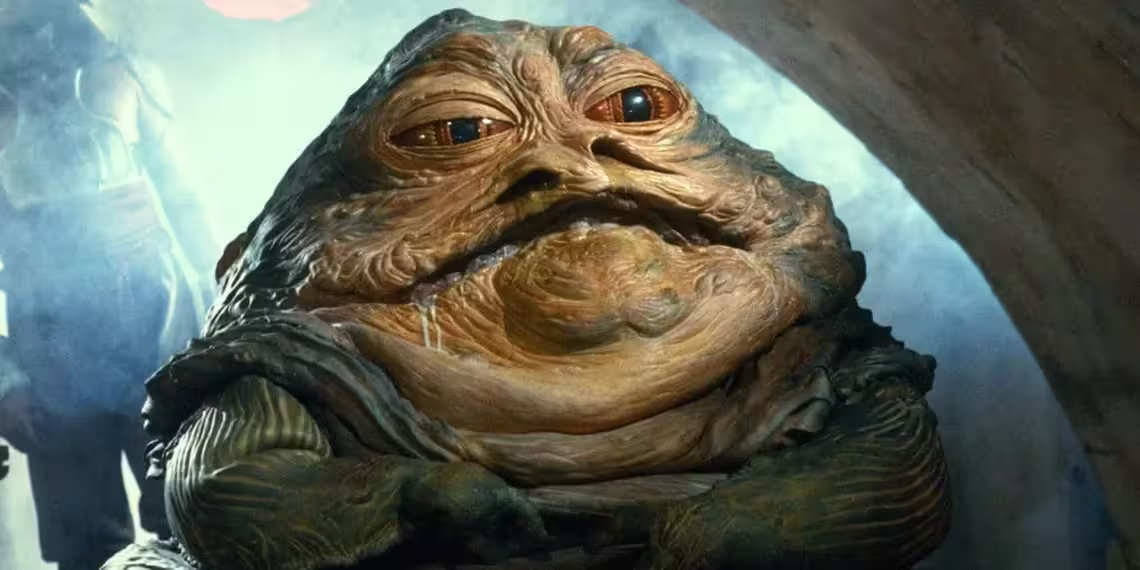
But Hollywood rarely bends to passion alone. Lucasfilm, which holds the keys to the galaxy, opted not to greenlight the film. By 2023 del Toro confirmed the project had been shelved. He framed the loss without melodrama: they had crafted a complete story, made art, learned a lot — and yet the project belonged to another machine, one with different priorities and purse strings. It became one of those scripts that join the graveyard of 'what might have been.'
How does a director cope when a decade of imagination evaporates into a filing cabinet? Del Toro was candid. Sometimes bitter, sometimes philosophical. He told his team it was a good rehearsal, a chance to build a world and sharpen skills — and that effort was never wasted. That humility reads like a director who understands both the personal cost and the strange ethics of creative labor in studio cinema.
There is a sliver of hope for fans who still want to see del Toro in a lightsaber-free Star Wars lane. Jon Favreau has hinted that collaborations with del Toro may still be possible, telling reporters there could be room for future teamwork. That is not a promise, just an opening. But openings matter.
Why does this lost project matter beyond trivia columns and fan forums? Because it showed a big franchise willing to be reimagined through a distinct auteur voice. Del Toro could have given Jabba a soul — ugly, ambitious, and terrifyingly human. That proposition alone underlines how Star Wars remains capable of surprising us when its stewards let filmmakers take risks.
We may never see The Rise and Fall of Jabba the Hutt on screen. Still, the story of its creation endures as a reminder: even visionary ideas can be vanquished by corporate reality. Would you have watched del Toro's take on Jabba?

Leave a Comment
Comments
No comments yet. Be the first.