
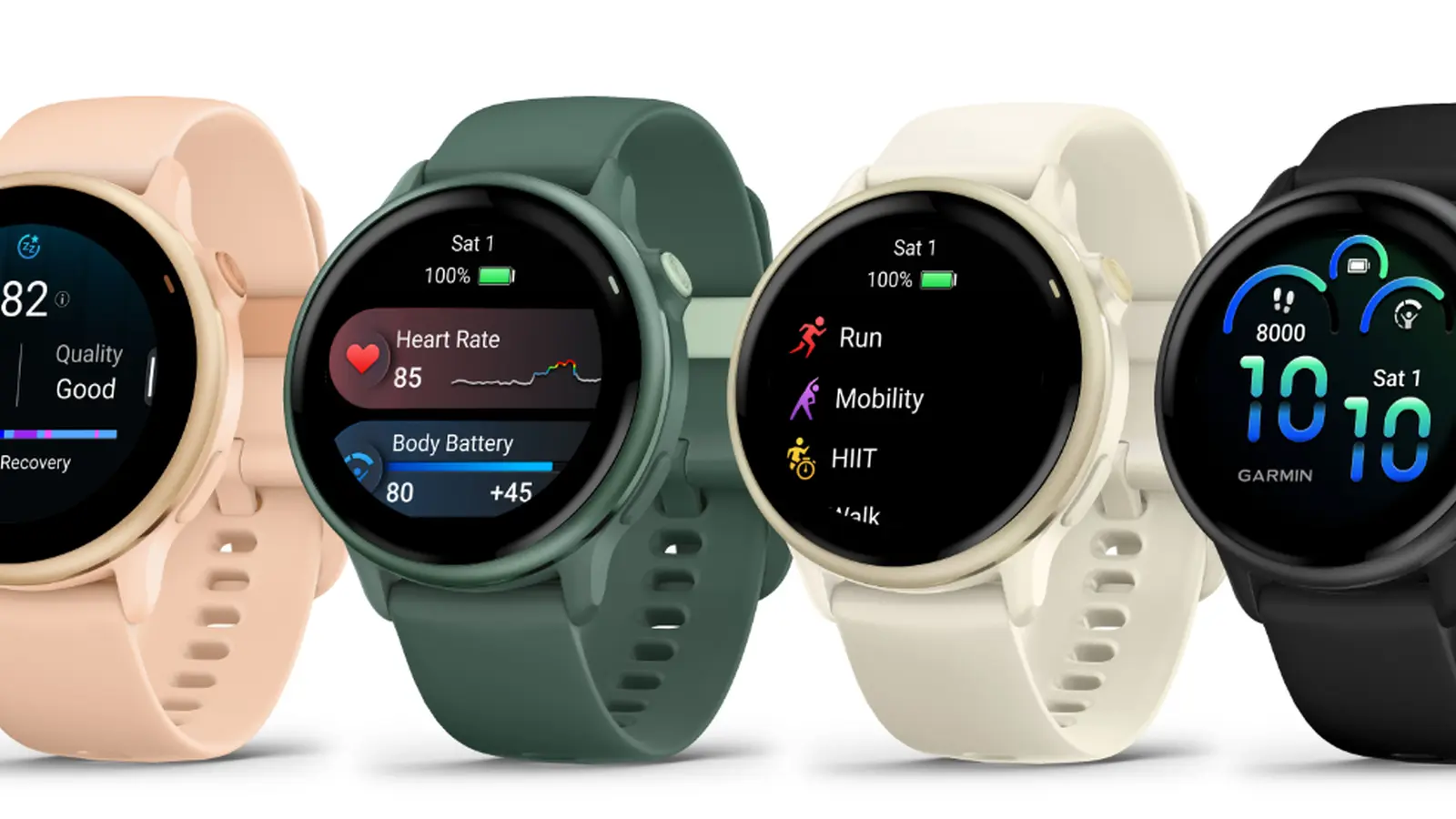
Garmin's recently published patent application US 2026/0362887 A1, titled "Integrated energy-collecting display module," describes placing miniature photovoltaic cells in the tiny dark gaps between AMOLED pixels, and possibly microLEDs. The design, filed in May 2025 and published in November 2026, envisions harvesting ambient light from the watch's own exposure to slowly top up its battery while being worn outdoors.
If produced, the filing says the design would let a smartwatch harvest ambient light and slowly top up its battery while being worn outdoors, without a separate charging session.
Rather than adding a solar layer over the whole display, which can dull colors and reduce brightness, or fitting a solar ring around the bezel, which changes the watch's size or usable screen area, Garmin's concept places tiny photovoltaic elements only in the non-emissive spaces between subpixels. The patent explains that clear windows would sit directly over each subpixel so the display's light can pass through unimpeded. According to the filing, that arrangement should still collect energy while yielding a brighter, higher-contrast image than full-screen solar overlays.
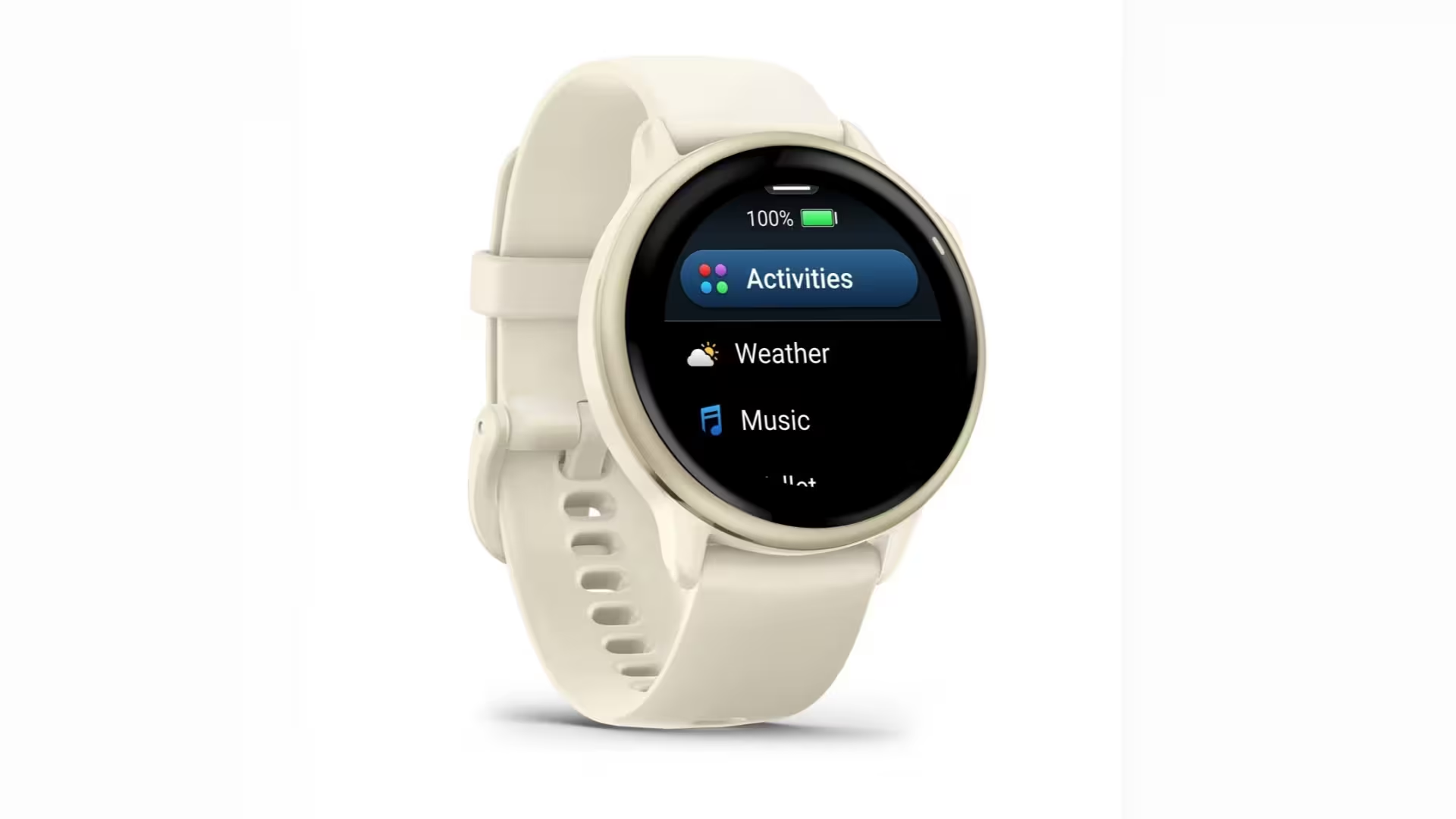
The application builds on prior Garmin work exploring solar-AMOLED hybrids, but the inter-pixel approach is presented as more refined and potentially more manufacturable than earlier ideas. The company frames the method as a way to combine AMOLED's visual appeal with some of the energy benefits that have long been associated with its MIP, or Memory-in-Pixel, displays.
Where this fits inside Garmin's lineup
The timing of the filing follows public comments from Garmin COO Brad Trenkle about a remaining battery-life gap between AMOLED and MIP displays. Trenkle said the difference has "not completely converged," which helps explain why MIP models, particularly those that include solar charging, remain part of Garmin's product mix. When asked whether in-screen solar would inevitably dull an AMOLED display, Trenkle replied that, as a thought experiment, it "need not."
As with all patents, the document does not guarantee a commercial product. Many filings never leave laboratories or prototype runs. Still, the application signals Garmin's continuing interest in marrying AMOLED panels with meaningful solar assistance, aiming to narrow one of MIP's current advantages.
The filing was published in November 2026.


Leave a Comment
Comments
No comments yet. Be the first.