
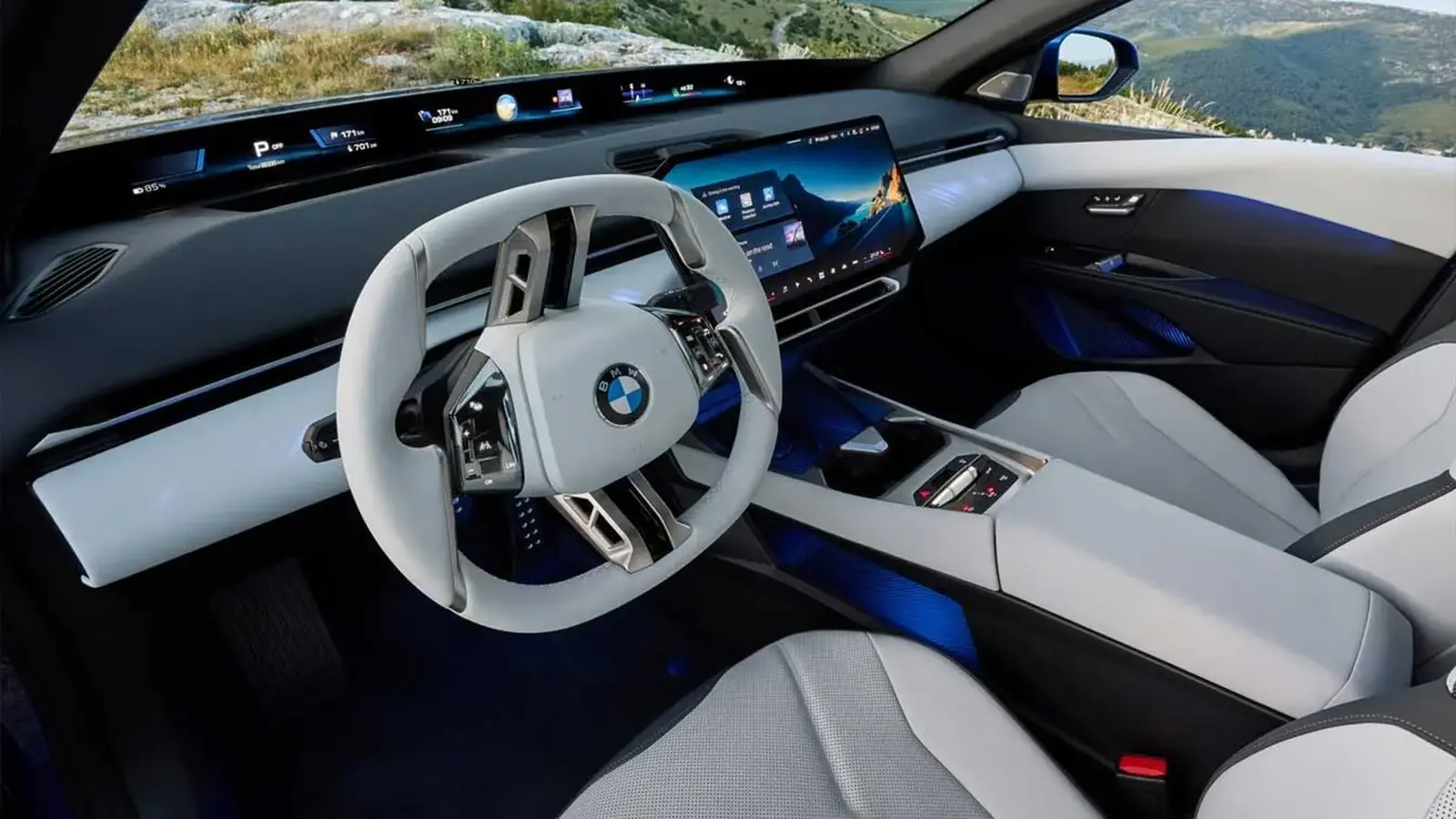
Cabins crowded with screens and the steady removal of physical buttons are beginning to show costs beyond styling. Enthusiasts and independent observers now say that widespread touchscreen controls, cheap plastics and rattles are eroding perceived quality, safety and longevity in modern cars.
What began as a drive to cut expenses and add digital bells and whistles has, according to reliable sources, turned into a broader decline in build standards across price tiers. The gap between mainstream and premium interiors has narrowed. Top-spec trims from brands such as Mazda, Toyota, Peugeot and Renault use synthetic leather, decorative trims and generous features so effectively that they can feel convincingly upscale. At the same time traditional luxury makers face a clear drop in fit and finish, with loose displays, audible cabin noises and hard plastics appearing even in six-figure models.
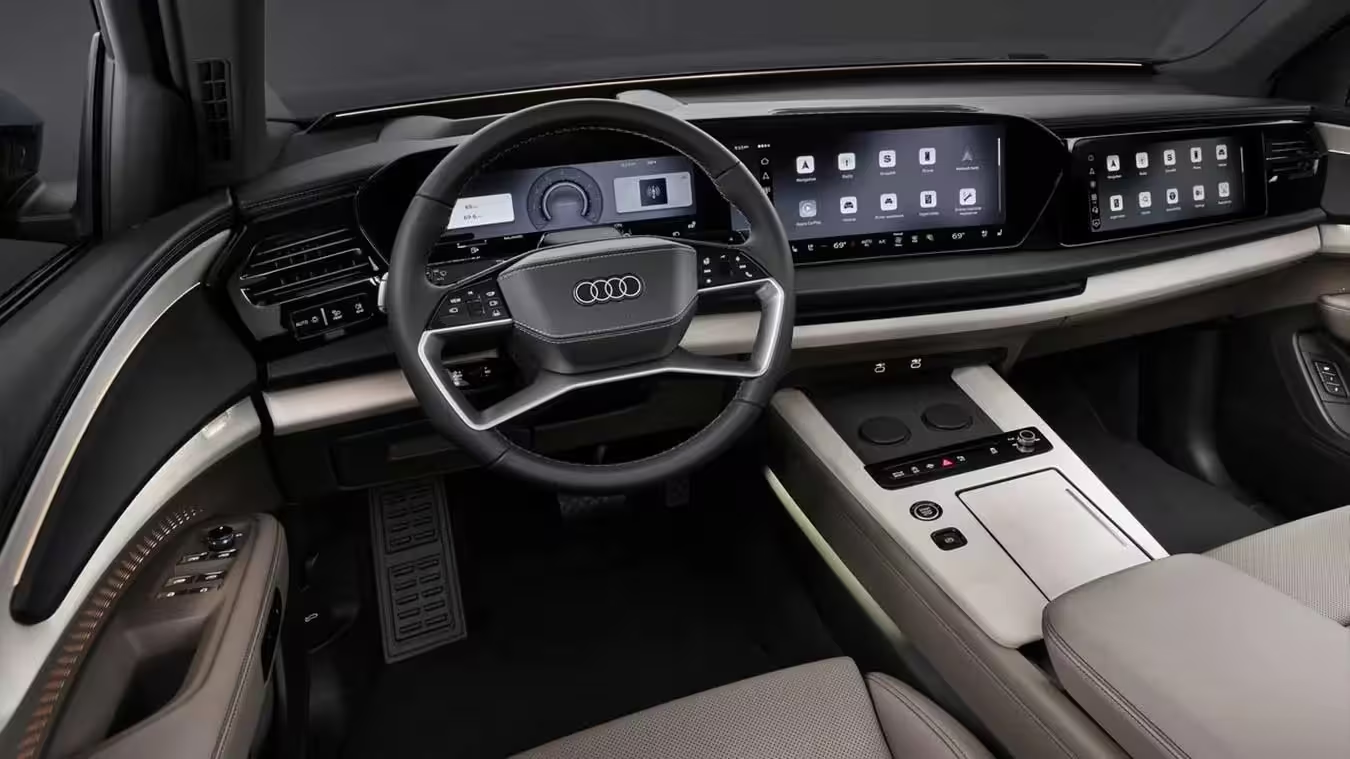
Old ergonomics versus new screen-forward cabins
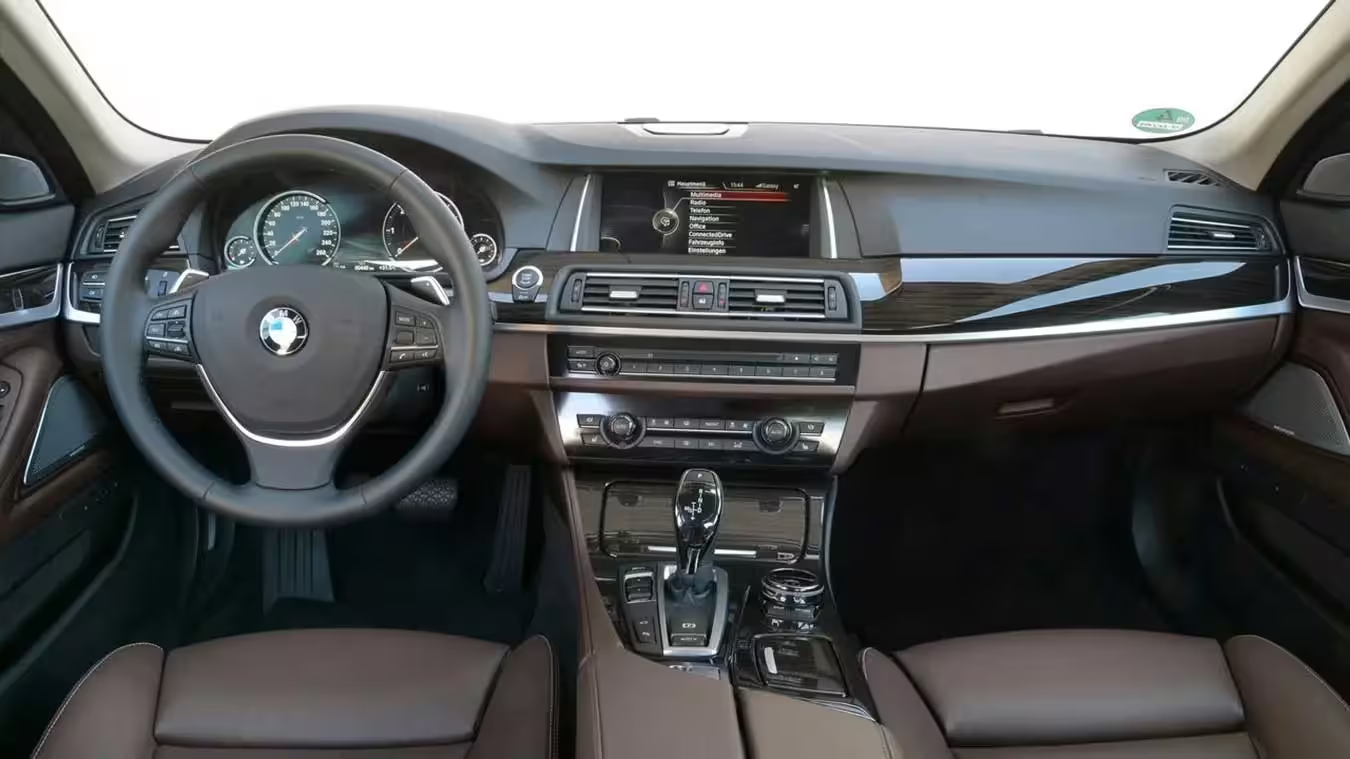
The contrast is most visible when you compare recent BMW interiors with older examples. The facelifted F10 generation 5 Series, still remembered for its tidy integration of the infotainment screen into the dash and a digital cluster that retained an analogue look, offered physical audio and climate controls plus rotary knobs for seat heating and ventilation. Drivers could adjust temperature and functions without taking their eyes from the road. That tactile clarity is fading.
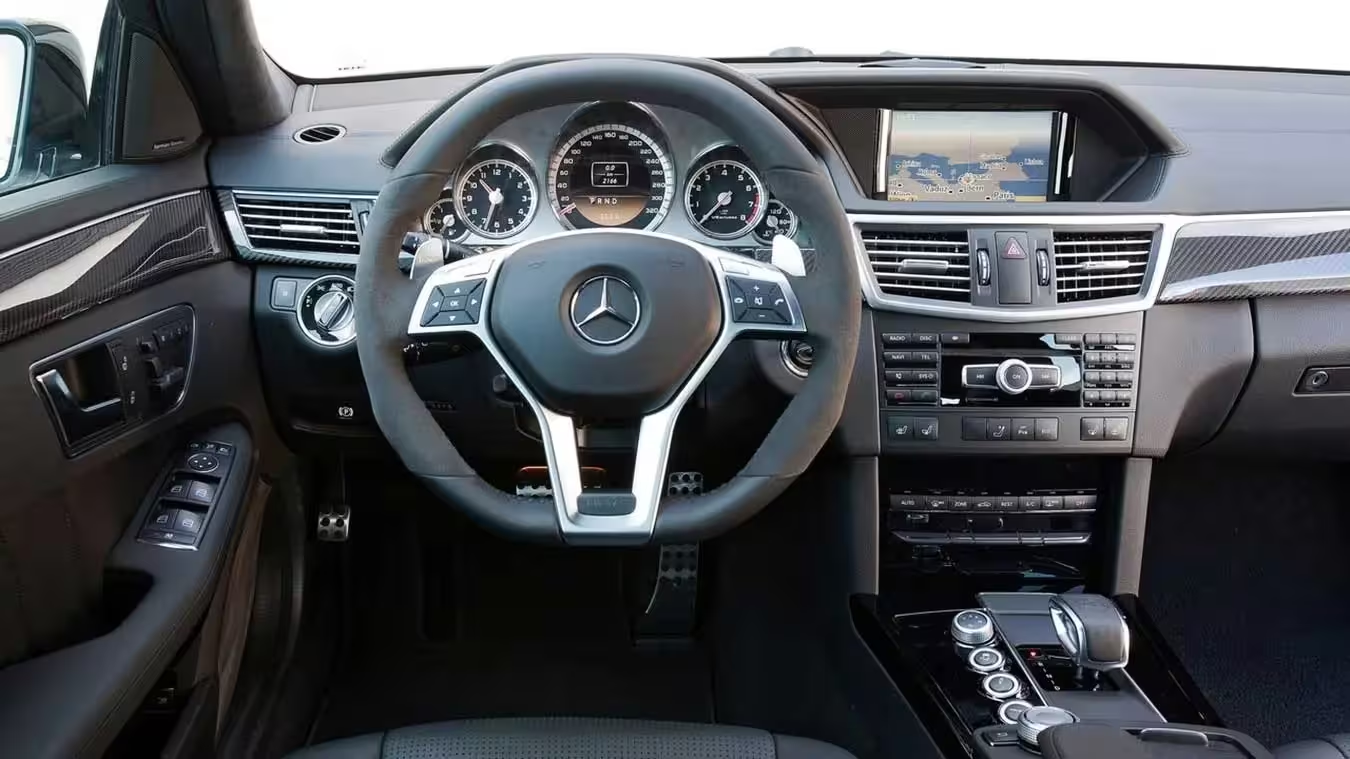
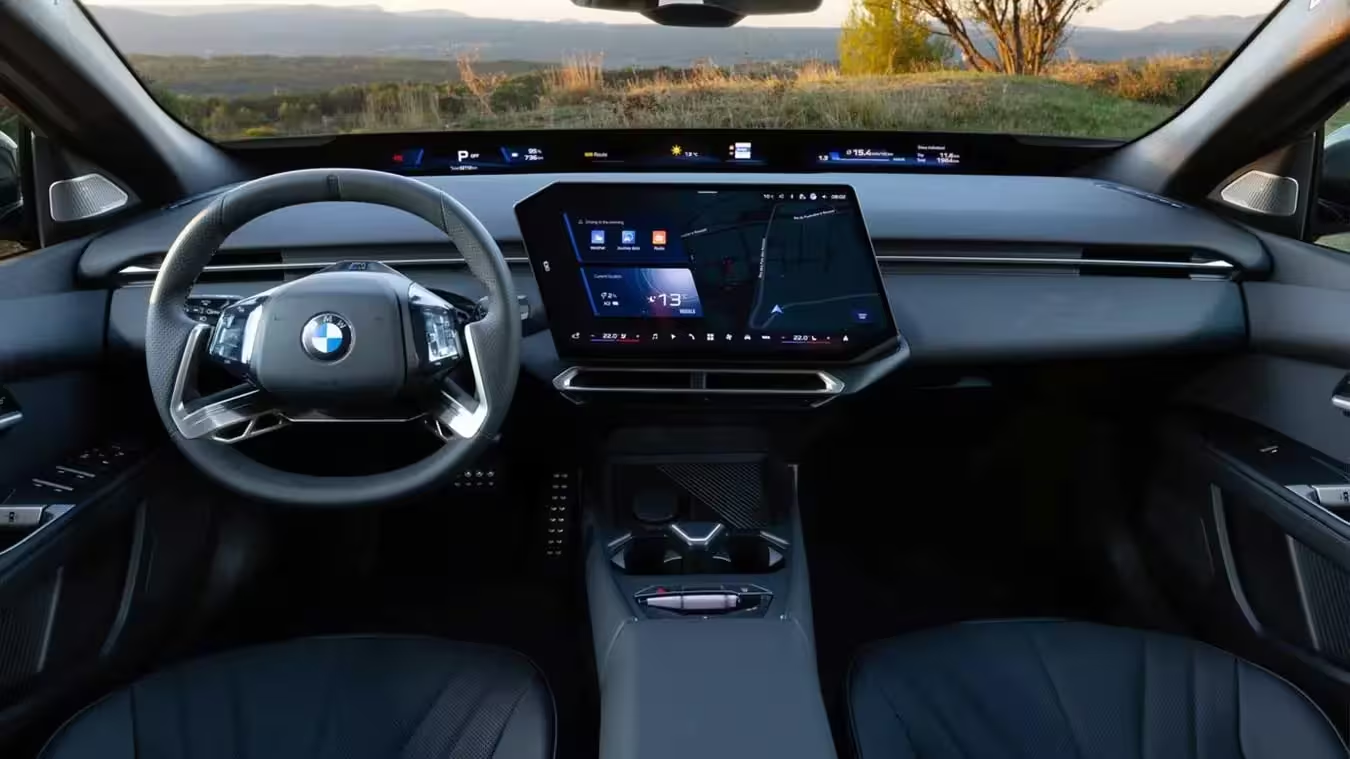
The new 3 Series G50 interior, which many see as a preview of the forthcoming 5 Series facelift, illustrates the shift. It features an iDrive Panoramic arrangement with a full-width display under the windshield, a large floating central screen controlling most functions and a steering wheel with an unconventional layout. Voice controls can handle some tasks, but they are not a complete substitute for direct, physical controls. Imagine these cars in 5 to 10 years, when they reach the used-car market and a main display fails. If the voice assistant stops responding, owners may find they cannot change cabin temperature or operate simple functions.
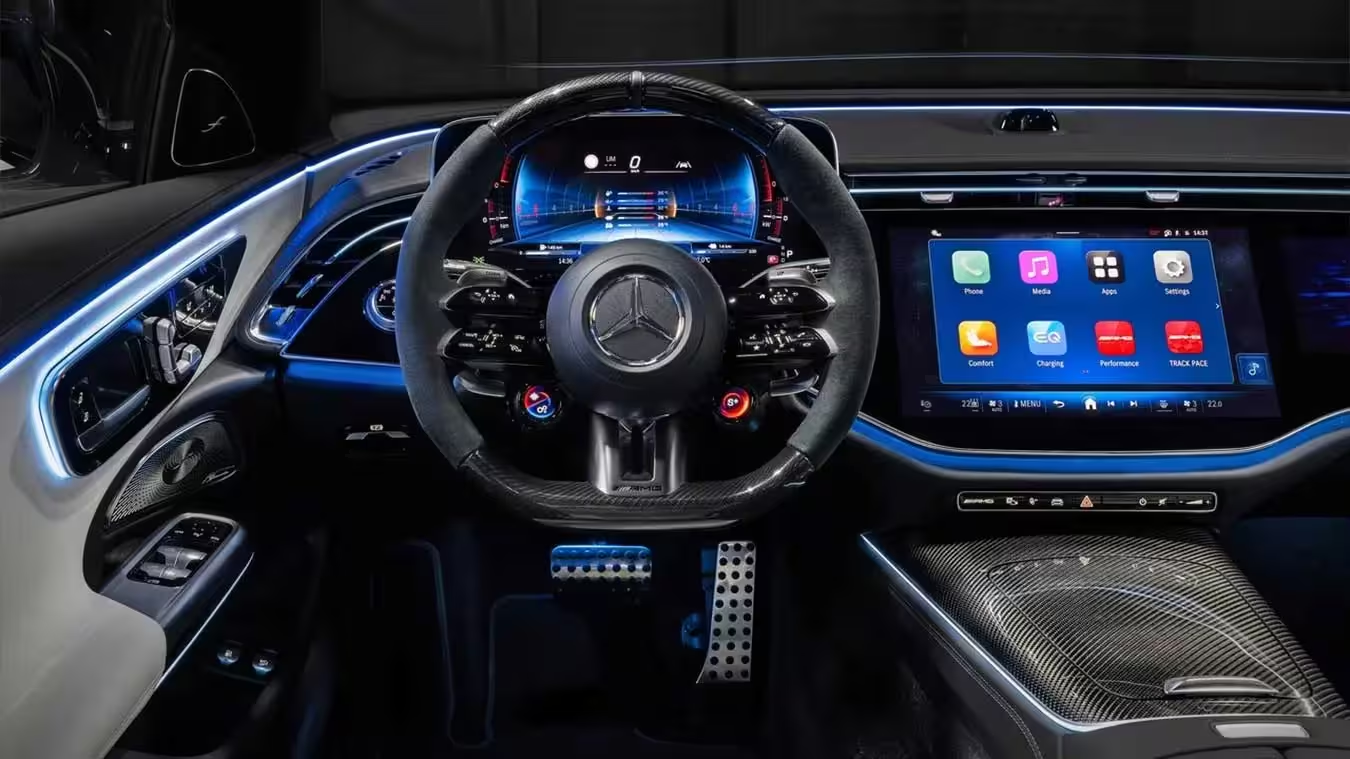
There is a practical risk here. Replacing tactile knobs with persistent touch interactions increases driver distraction and raises long-term reliability questions. Physical buttons are simple, durable and immediately operable without a menu dive; touch-first interfaces are dependent on complex software and fragile hardware over the long term. A cockpit designed like a smartphone on wheels may be fashionable now, but it risks being less serviceable as these vehicles age.
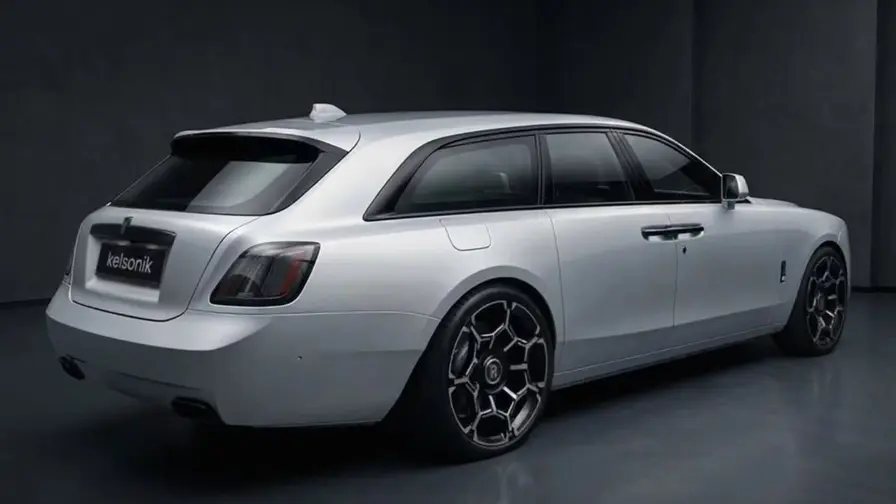
Industry observers note the commercial logic. A car that never needs service reduces aftersales revenue. According to reliable sources, Mercedes-Benz chose several years ago to reduce build quality rather than carry out widespread layoffs. This approach has not been confined to Mercedes. Even ultra-luxury marques have shown signs of compromise. A few years ago a Rolls-Royce Ghost priced at $400,000 reported cabin squeaks, and such problems persist in some full-size luxury sedans. Audi and BMW are also named among the marques experiencing similar issues.
The practical upshot may be a second-hand market that favors older, mechanically straightforward cars. Vehicles built in the 1990s were often made to endure 30 years or more, but many modern designs look and perform like consumer electronics with a limited lifespan. That matters to buyers who value durability and simple ergonomics as much as technology and appearance.
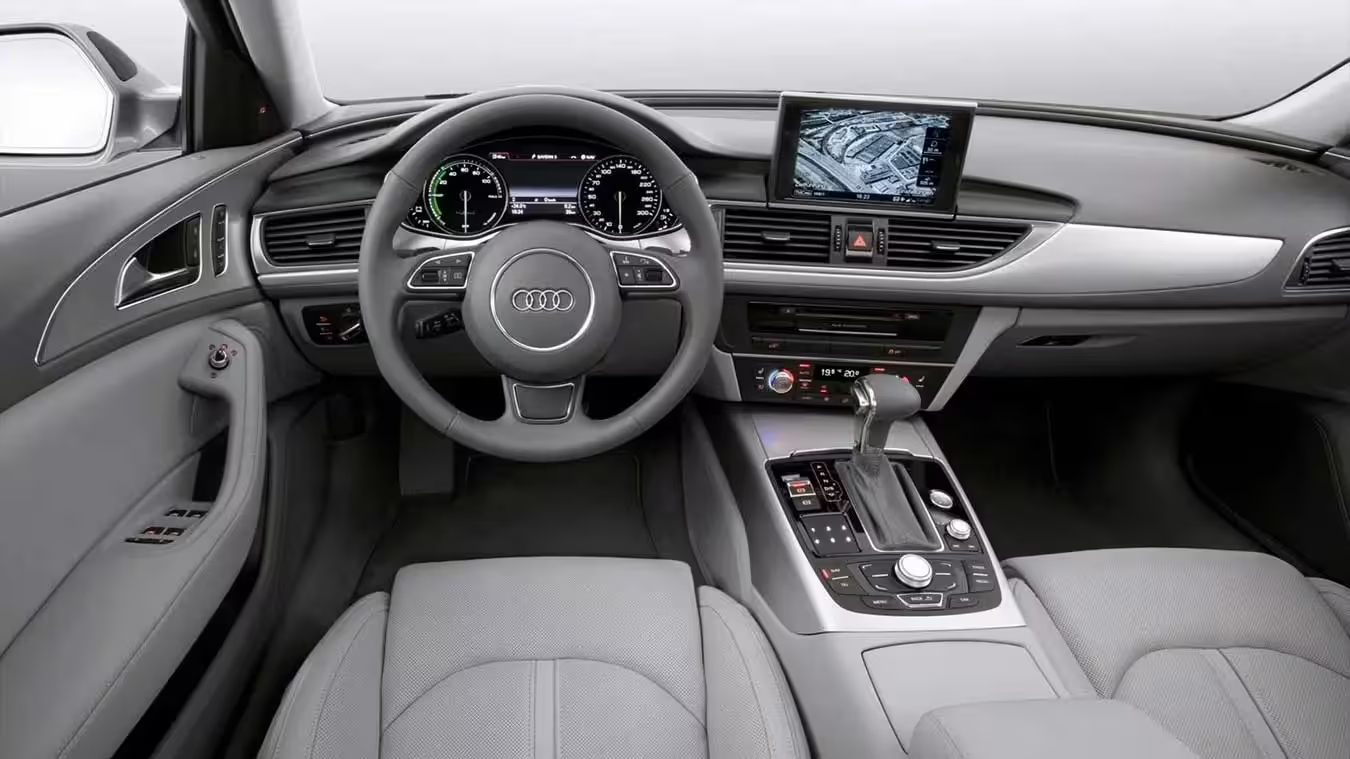
According to the sources cited, the strategic trade-off to cut costs by lowering fit and finish already affected Mercedes several years ago, and the trend has reached other premium brands, with a $400,000 Rolls-Royce Ghost once exhibiting cabin squeaks while rivals Audi and BMW face similar complaints.


Leave a Comment
Comments
No comments yet. Be the first.