
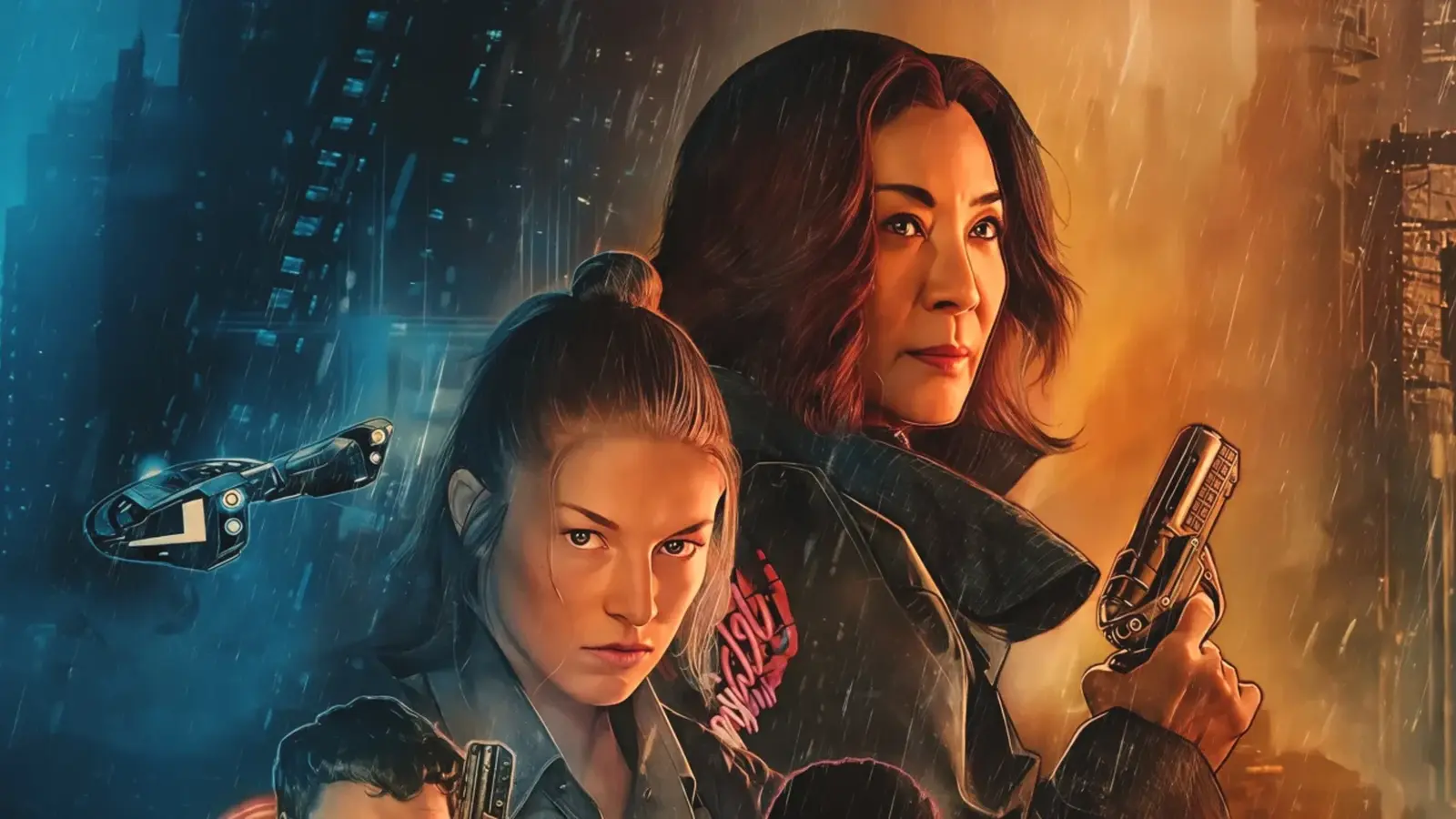
Something about Blade Runner keeps pulling us back. This time it's an eight-episode miniseries on Amazon Prime Video, created by Silka Luisa, that tries to do what the franchise has always done best: ask who counts as human while dressing the question in neon and rain.
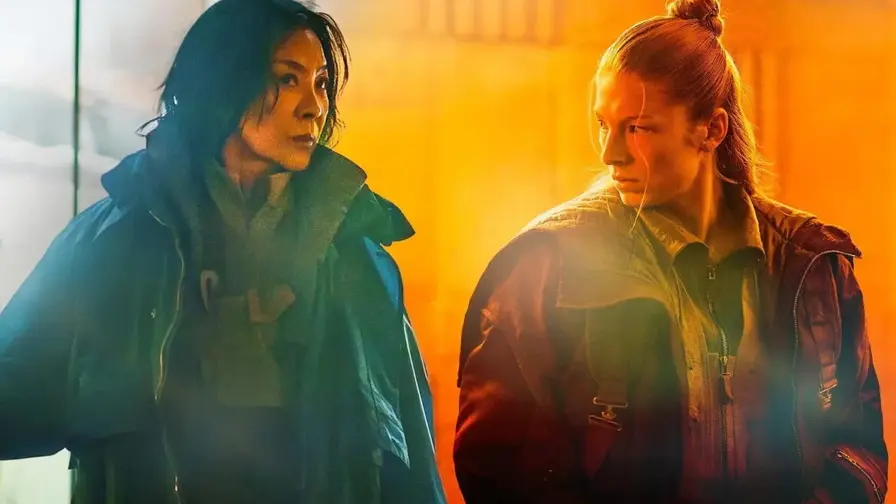
The visuals land. They really do. Critics repeatedly single out the series for its sumptuous production design, moody lighting and effects that expand the franchise's bleak, beautiful cityscapes. Hunter Schafer emerges as the headline presence, delivering the biggest role of her career as Kora — a fierce, restless protagonist whose search for identity anchors much of the show. Michelle Yeoh is equally vital, bringing weight and history to a world that otherwise risks becoming pure style.
Numbers tell the divided story. Rotten Tomatoes records a 72 percent critics score from 36 reviews, while Metacritic sits at 65 out of 100 from 20 critics. Praise and frustration coexist. Some reviewers rate it in the 80s and 90s, applauding inventiveness and emotional beats; others land in the 40s and 50s, calling out narrative drift and an occasional emotional emptiness.
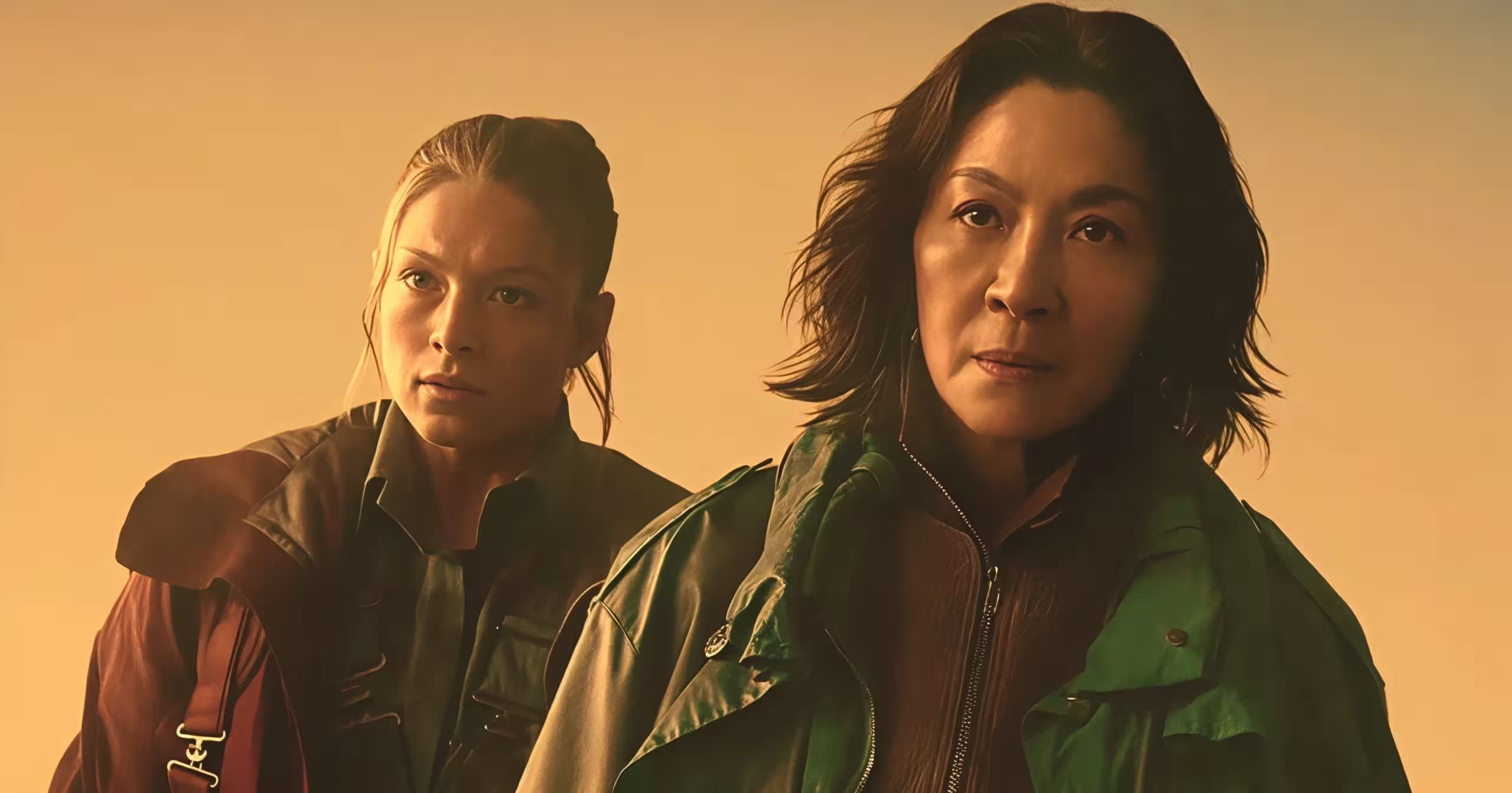
So what are people saying? Screen Rant and Slashfilm put it near the top with 90s, celebrating its fresh take on replicant fear and urgency. Slant and The Daily Beast laud its entertainment value and willingness to both honor and unsettle franchise themes. Mainstream outlets such as IGN, Variety and The Telegraph hover around 80, commending worldbuilding and strong performances even when pacing falters. Yet a chorus of harsher voices, from The Hollywood Reporter to The A.V. Club, argues the series sometimes copies the aesthetic of the originals without staking out a distinct emotional or narrative identity.
Stylistically the show is confident. It embraces the franchise's DNA: philosophical riffs on memory and selfhood, noirish detective threads, and a persistent moral fog. Episodes that lean into mystery and detective drama land best, moving like a high-end procedural that also asks uncomfortable questions about agency and mortality. But when plot momentum slackens, the series can feel ornately stalled — gorgeous but waiting for a more decisive heartbeat.
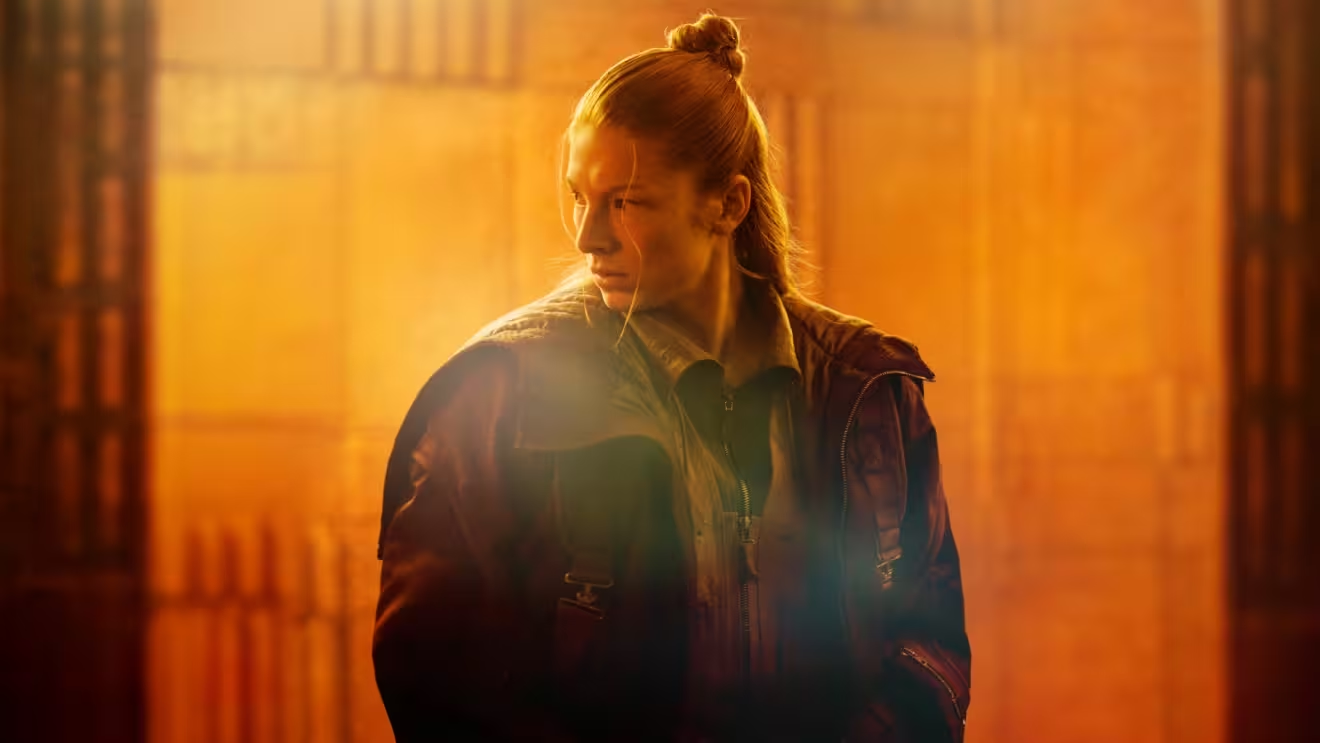
Is this a faithful expansion, or a retread? The honest answer sits between both. Blade Runner 2099 extends themes first seeded in Philip K. Dick's novel Do Androids Dream of Electric Sheep? and the two classic films, translating them for serialized storytelling. That shift helps some ideas breathe and strains others; serialized form magnifies character moments but also exposes pacing choices that might have been tighter on the big screen.
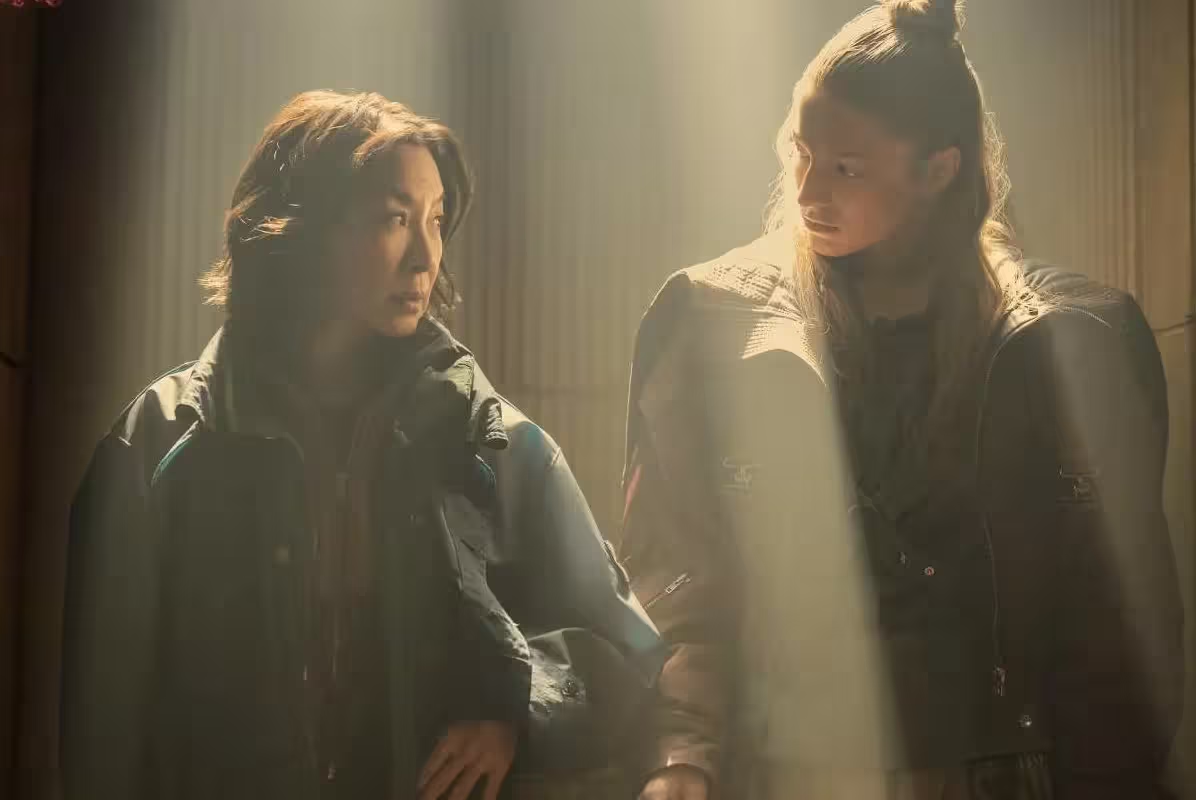
For viewers who care about the franchise's atmosphere, there is a lot to savor: layered performances, design that rewards close attention, and scenes that linger in the head long after the credits roll. For those wanting a lean, emotionally explosive follow-up, the series may test patience.
Either way, Blade Runner 2099 insists on being debated. Watch it for Schafer and Yeoh, stay for the questions it refuses to answer easily, and decide whether this new chapter advances the mythos or simply redecorates it for a streaming audience. Ready to judge for yourself?

Leave a Comment
Comments
No comments yet. Be the first.