
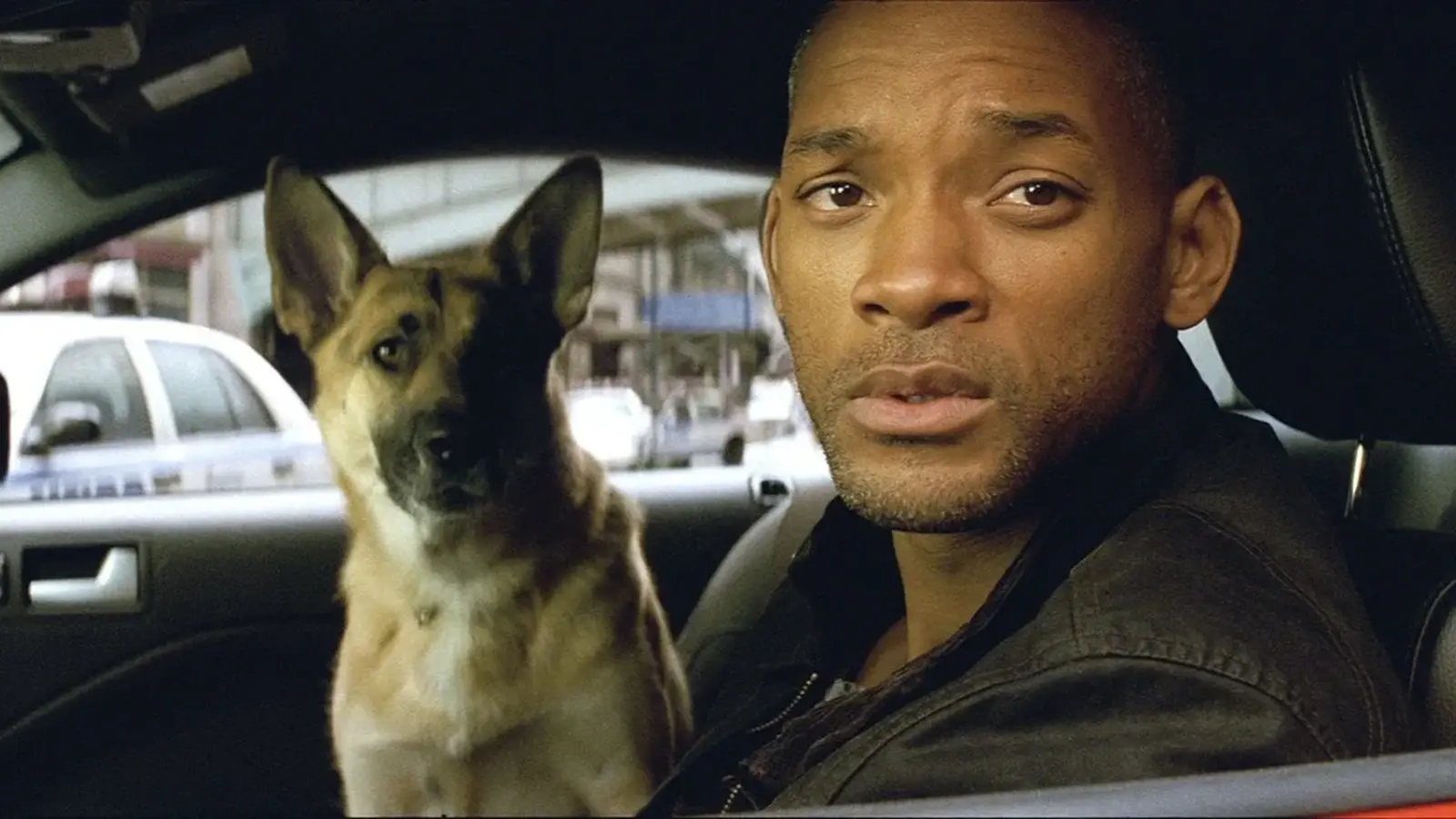
On the Team Deakins podcast, Francis Lawrence dropped a confession that will make anyone who rewatched the 2007 hit sit up: he isn’t satisfied with how the film ends. Short sentence. Big admission.
Lawrence praised the first hour — the empty streets, the hush of a deserted New York, Will Smith’s lonely patrols — and said he’s proud of the atmosphere they built. But then came the last 40 minutes. That stretch, he admits, tipped the movie from eerie survival drama into direct monster-on-human conflict in a way he now sees as a weakness. He believes the creatures becoming too visible and central late in the film diluted the tension the movie had carefully cultivated.
It’s a view that explains why audiences over the years have often described the film as two different movies stitched together. Early on, the infected are mostly an unseen menace, a whisper under the floorboards. Close to the end, they become actors in action set pieces — and for many viewers, that shift undercuts the dread that made the opening so effective.
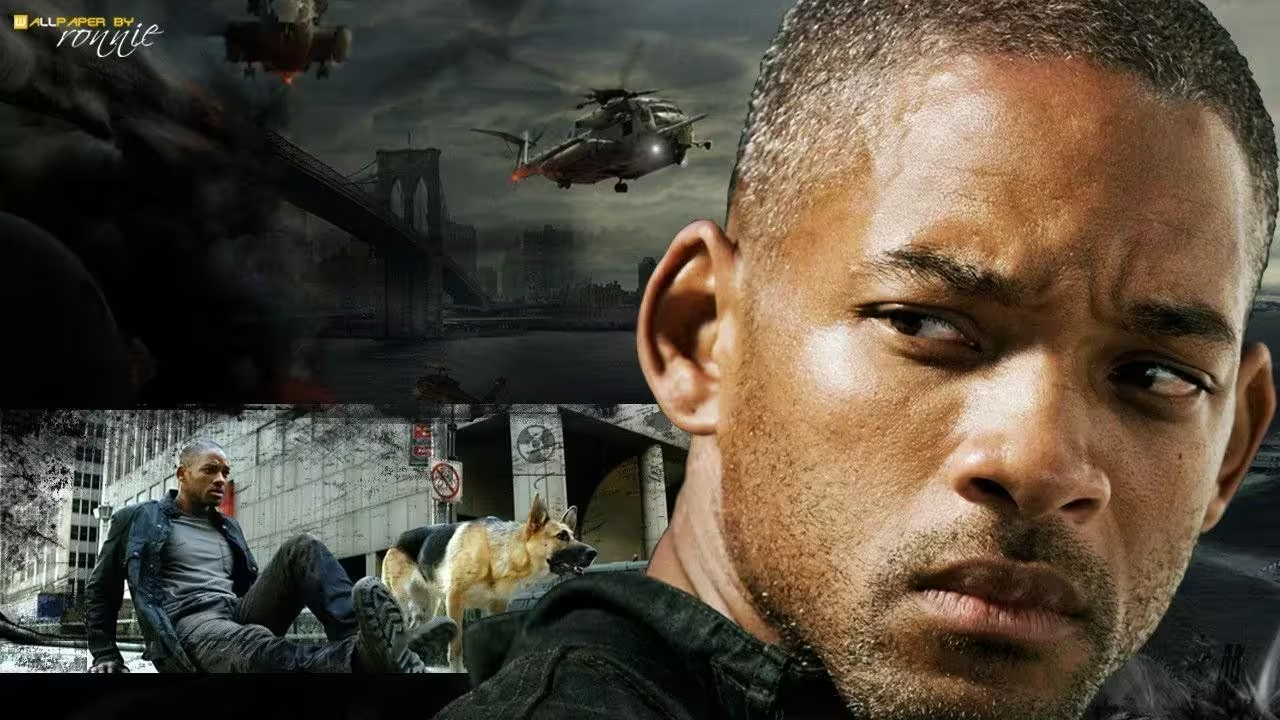
Roger Deakins, the podcast host and legendary cinematographer, pushed back, surprised by Lawrence’s take. He feels the film’s trajectory worked. Healthy debate. Different readings. The director didn’t stop there: he also revisited the thorny topic of the movie’s original ending.
Originally, Robert Neville’s story would have ended in a bleaker place. In the first cut, Neville never finds a cure and the story closes without the sacrificial beat audiences eventually saw. Test screenings punished that choice. The reaction was harsh enough that the filmmakers shot a new finale just a night before release, the version where Neville (Will Smith) sacrifices himself to save Anna and Ethan by detonating a grenade.
The alternate ending, later released on home video, paints the infected in a different light. They aren’t the one-dimensional monsters Neville believed them to be; they show hints of organization and feeling, nudging the film closer to Richard Matheson’s original novel. For purists, that alternate finish is more faithful. For ticket-buyers in 2007, the theatrical ending offered closure and catharsis.
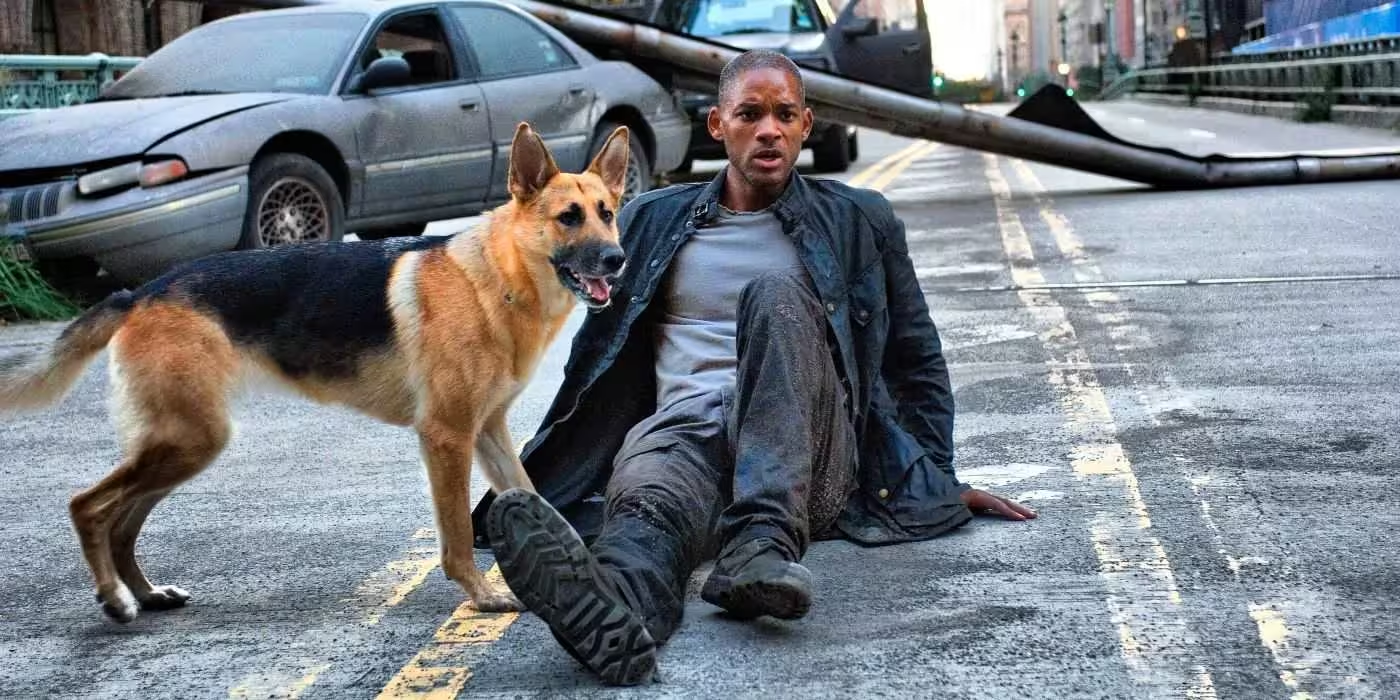
That argument has followed the movie for years and even shaped talk about a sequel. Reports say the upcoming follow-up may build on the home-video ending, a choice that could allow for Will Smith’s Robert Neville to return under surprising circumstances. The sequel is reportedly in development with names like Michael B. Jordan attached at times, but progress has been fitful and no production date has been set.
Despite the debate over tone and endings, the original I Am Legend was a commercial powerhouse, grossing over $585 million worldwide. It’s proof that a film can be both imperfect and resonant: flawed choices, enduring images.
Filmmaking is full of crossroads. One late-night reshoot, one test screening, one creative pivot can alter everything. For I Am Legend, those choices left a scar — and a conversation that won’t die.

Leave a Comment
Comments
No comments yet. Be the first.