
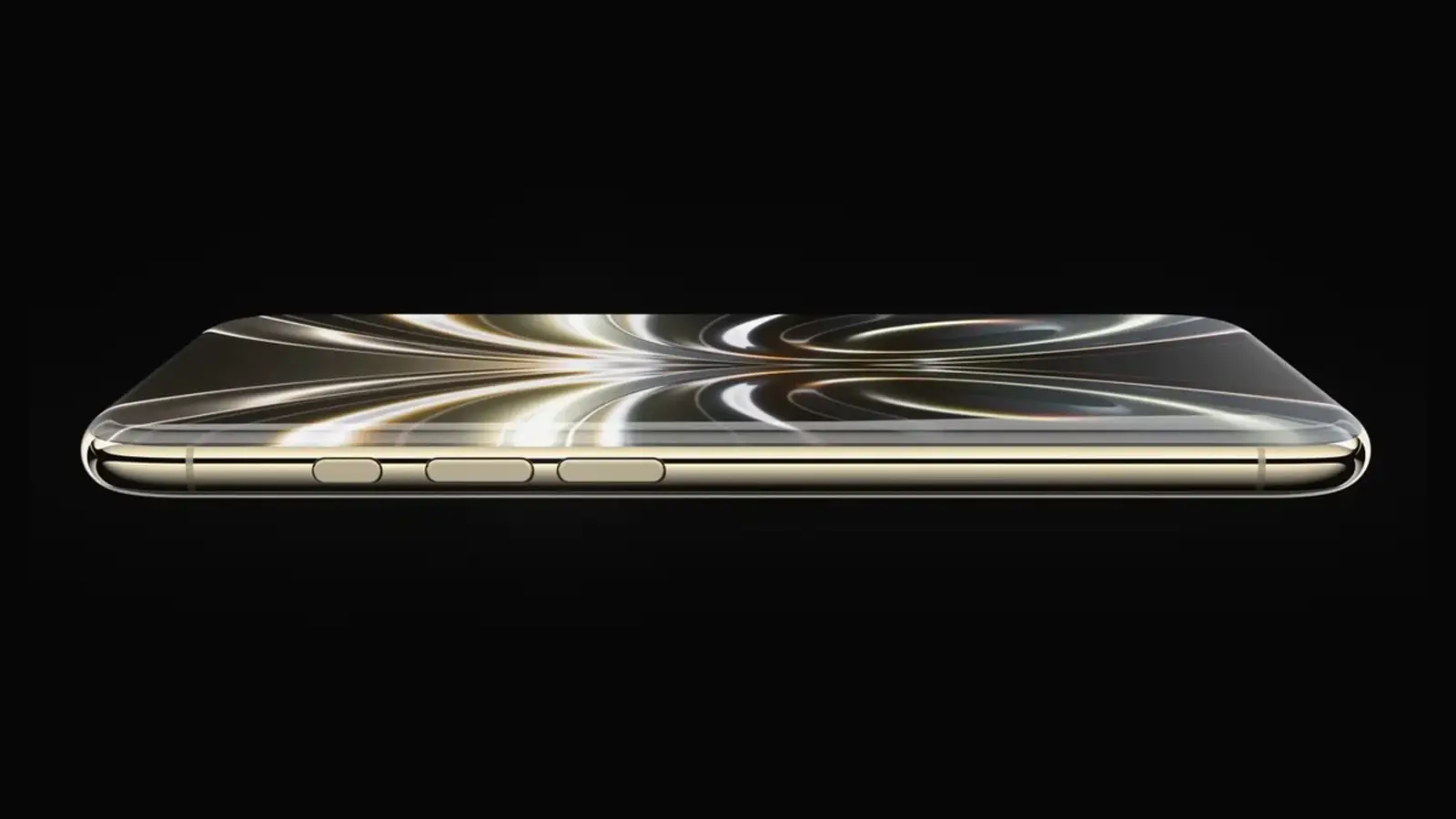
Apple is reportedly developing a limited ceramic edition of the iPhone 20 Pro, the 20th anniversary flagship. Components identified by a Weibo leaker appear to be ceramic and are said to be destined for only a very small production run.
Source, production status and availability
The report originates from Weibo leaker Fixed Focus Digital and was cited by MacRumors. Fixed Focus Digital said they saw ceramic components for the upcoming iPhone 20 Pro, but indicated the parts are not intended for use across all units. Apple may limit production capacity for these components, which suggests a special, scarce edition if the project proceeds.
The ceramic project is in an early phase and has not passed engineering validation testing. Only after EVT would the design clear the path toward mass production. Fixed Focus Digital also noted, in a post reported by MacRumors, that the limited nature of the components could make such a version rapidly collectible.
Which parts could be ceramic and manufacturing challenges
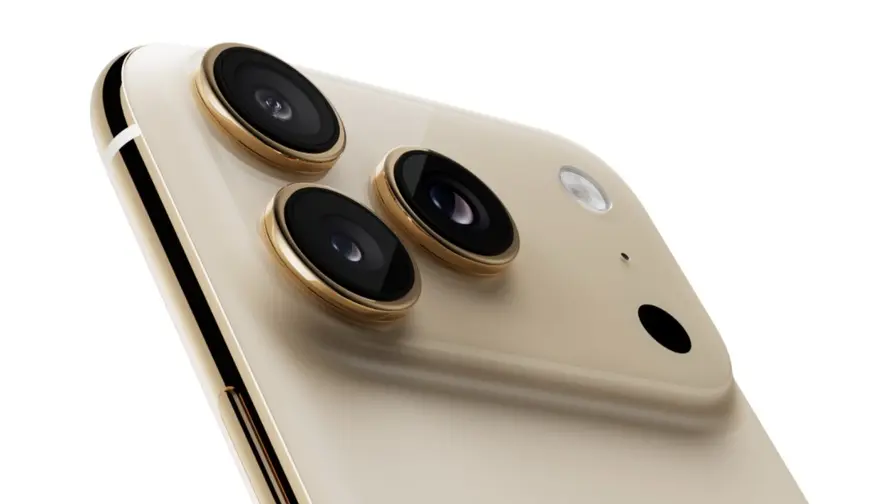
It is not yet known which external components Apple is testing in ceramic. Reported possibilities include a ceramic rear panel, portions of the enclosure, or another exterior element.
- Ceramic rear panel
- Ceramic enclosure components
- Other ceramic exterior parts
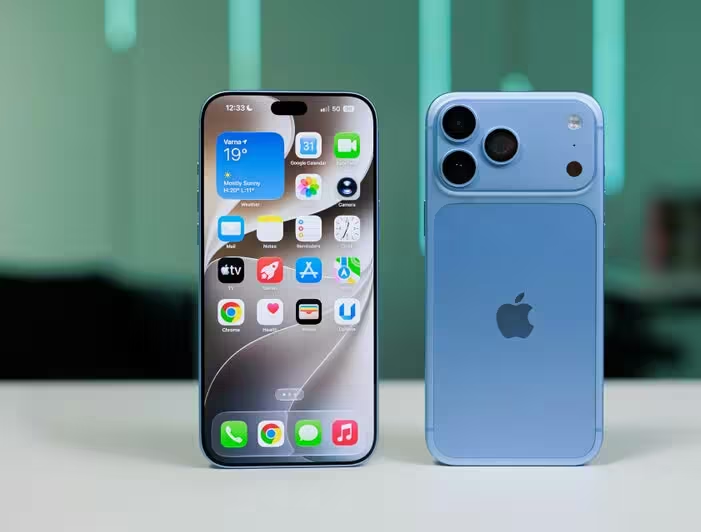
Ceramic offers a smooth finish and resistance to scratching and corrosion, but its production is complex and ceramic can be more susceptible to cracking when used over large areas on a smartphone. The iPhone 18 Pro uses an aluminum chassis, illustrating recent variation in Apple materials, and there is currently no mainstream smartphone design that extensively uses ceramic for large external surfaces.
Pricing comparisons and implications
Apple has used ceramic before on the Apple Watch. The Apple Watch Series 12 is available in aluminum, titanium and a ceramic casing; the aluminum Series 12 starts at $399 while the ceramic edition starts at $899. Applying a similar pricing ratio to smartphones could produce a much higher premium.
If Apple applied a similar price ratio to the iPhone 20 Pro, and the base model started at $1,199, the ceramic edition could cost as much as $2,700. That figure would place a ceramic iPhone well above current high-end iPhone pricing such as the $1,999 iPhone Duo. The potential price and the complexity of ceramic production are among the reasons output could be intentionally limited.
Other material rumors
Separately, reports have suggested Apple may switch the iPhone 20 Pro frame back to titanium, a change that drew mixed reactions in online discussions. If Apple moves forward with multiple material variants, supply chain updates and additional leaks are likely to surface before any official announcement.
Even if a ceramic iPhone 20 Pro reaches production at a premium price, such an edition would likely appeal primarily to collectors and the most dedicated Apple customers rather than the broader market.

Leave a Comment
Comments
No comments yet. Be the first.