
2 Minutes
Netflix, Warner Bros. and a surprise comment from the White House
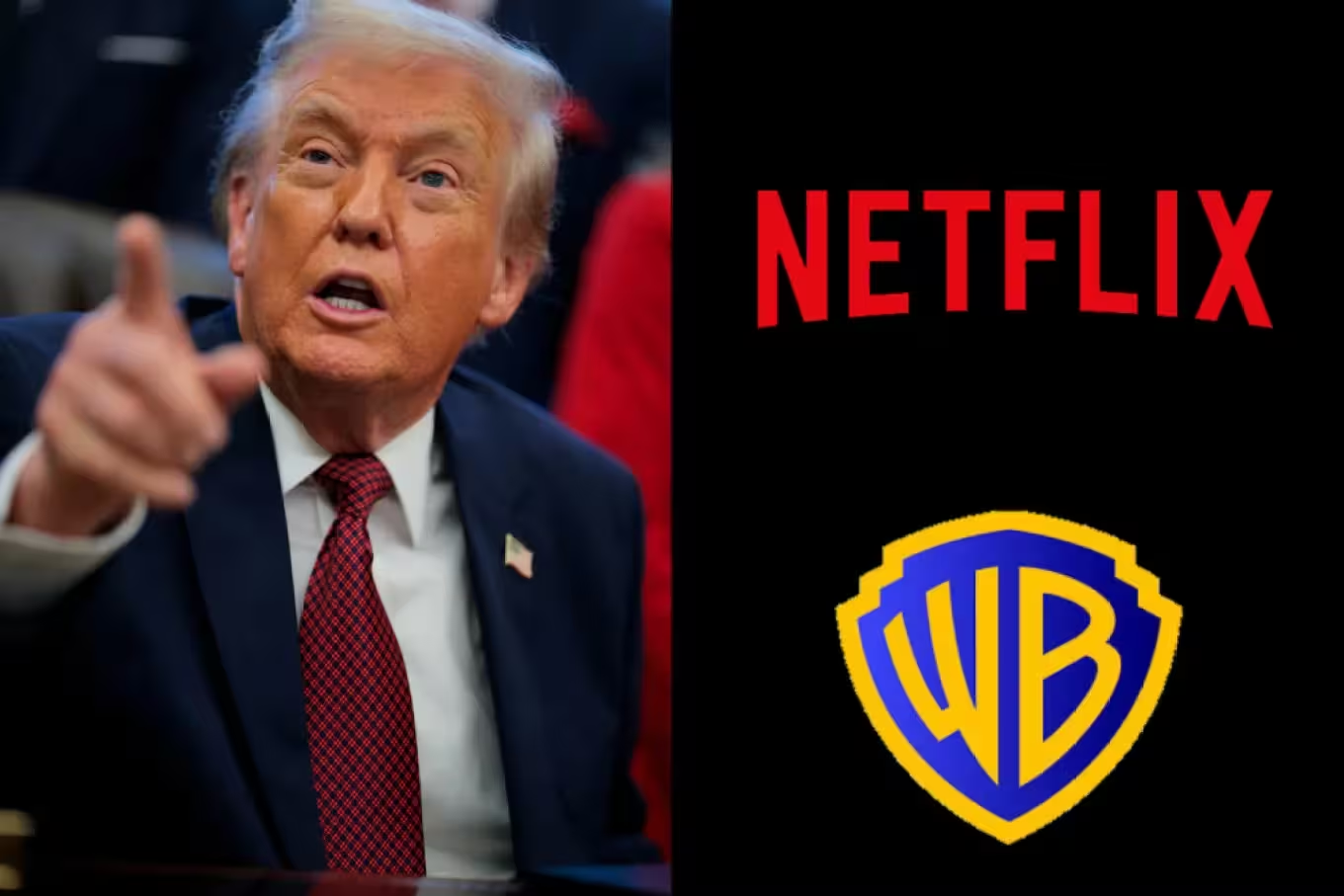
The entertainment world paused this week after President Donald Trump publicly weighed in on Netflix’s proposed acquisition of Warner Bros. In a measured response that mixed praise for Netflix CEO Ted Sarandos with clear worry about market concentration, Trump said the deal “has to run its course” and warned it would create a very large market share that economists and regulators will need to examine. He also confirmed Sarandos visited the Oval Office last week.
Netflix’s headline-grabbing offer includes a $5.8 billion breakup fee and promises to preserve Warner’s theatrical releases and other core operations if regulators sign off. Still, the merger would fold some of Hollywood’s most valuable franchises—Batman, Harry Potter, Friends, The Matrix and DC’s roster—under one streaming giant, a move that raises antitrust alarms and fan debate alike.
How this compares to past media megadeals
This isn’t the first time a streaming company has pursued a studio. Disney’s acquisition of 21st Century Fox and Amazon’s purchase of MGM reshaped content libraries and distribution power, but Netflix + Warner would dwarf those combinations in cultural footprint. Unlike Disney-Fox, which consolidated two major studios, Netflix’s model centers on subscription-driven streaming and global content algorithms—making the potential market impact different in kind, not just scale.
Industry context and why regulators will watch closely
Antitrust authorities will examine whether the deal reduces competition, raises prices, or narrows creative diversity. Theaters, independent producers, and global platforms could all feel secondary effects if a single streamer controls blockbuster release windows and huge back catalogs. Economists and cultural critics have argued consolidation can streamline production but may also limit risks taken on niche or local projects.
Trivia and fan reaction: social feeds lit up with memes imagining Netflix-branded Hogwarts and new Batman spin-offs tailored to binge-watch algorithms. Industry insiders note Warner’s deep archive and franchises would give Netflix unprecedented scheduling flexibility and international leverage.
This acquisition could close as early as late 2026 or early 2027 if regulators approve. Until then, expect hearings, economic studies and lively debate over what this means for cinema, streaming, and creative freedom.
In short: praise for Sarandos’ track record, but a red flag on market share—and a flashpoint for an important conversation about the future of film and television.


Leave a Comment
Comments
No comments yet. Be the first.