
How a single image sparked an AI controversy
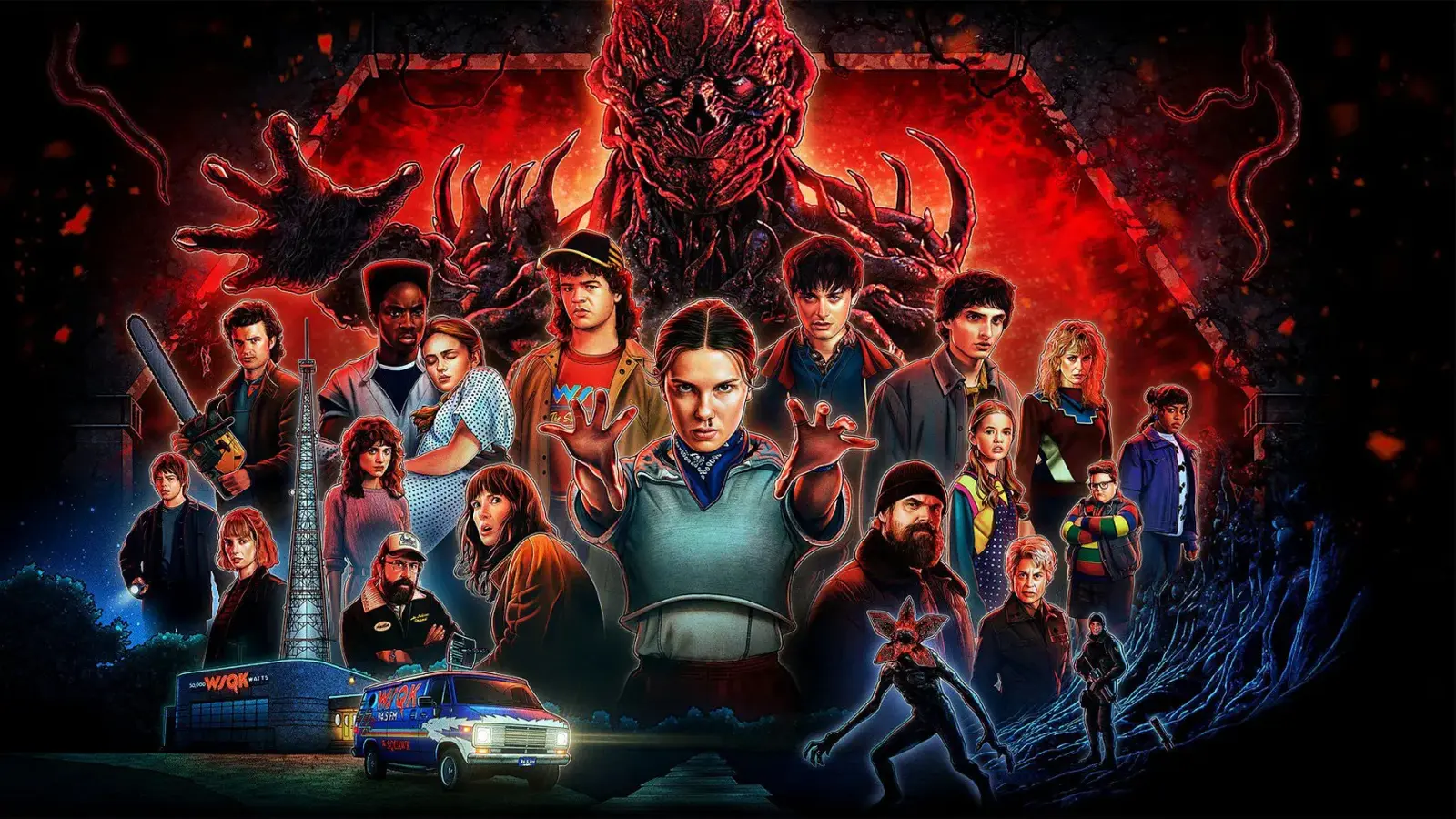
When the final episode of Stranger Things aired on New Year's Eve, viewers were treated to a montage of stylized artwork underscoring the show's closing notes, including David Bowie's 'Heroes'. One frame stood out — a depiction of Nancy Wheeler holding the revolver from season one. Fans quickly noticed something off about her fingers and grip, and within hours social feeds lit up with accusations that Netflix had used clumsy AI to generate promotional art for its multimillion-dollar series.
Closer look: not AI, but a stylistic or manual redraw
Deeper reporting, notably from GameReactor, found those accusations to be unfounded. The pieces displayed at the episode's end were hand-redrawn reinterpretations of original filmed frames rather than product of an AI image generator. In other words, what many saw as an algorithmic glitch appears to be a deliberate artistic choice or a human lapse during manual redesign. A Reddit post that ignited the debate was later removed, and Netflix has not issued an official statement addressing the claim.
Why viewers assumed AI
These days audiences scan every pixel for traces of artificial intelligence. High-profile uses of AI in advertising and art have made fans hyper-vigilant; unfamiliar proportions or odd anatomy in an image are now often labeled 'AI mistakes' by default. The Nancy image fell into that pattern: an unusual finger placement and a stylized finish were enough to convince many that a generator had been used.
Context: AI, fandom, and the modern promotion landscape
This incident sits at the intersection of several trends: the surge of AI tools in creative industries, increasingly sophisticated fan scrutiny, and the expectation that big-budget productions will be transparent about their techniques. It also echoes earlier moments when promotional materials for major franchises — from poster retouches to color-corrected stills — sparked debate over authenticity and craftsmanship.
Comparisons and creative lineage
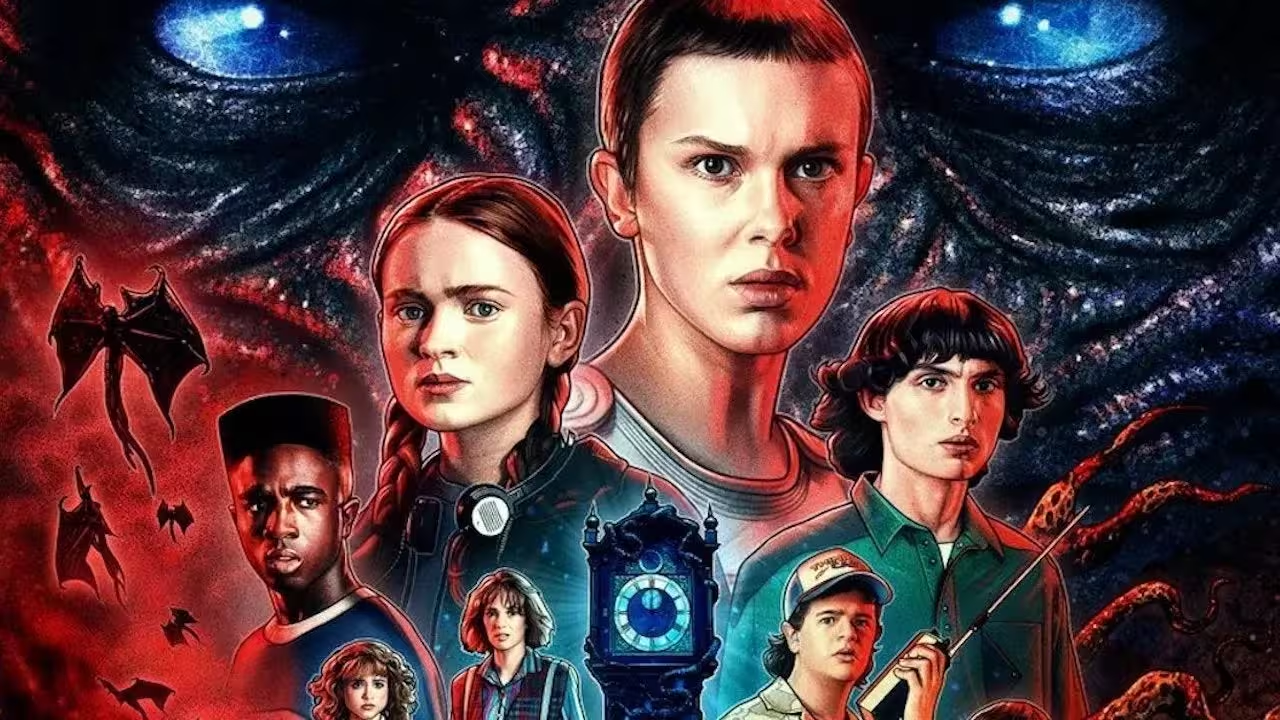
Stranger Things has a long history of evocative poster art and retro-inspired visuals. Compared with earlier seasons, the finale's montage leaned more into a painterly, memory-like aesthetic — similar in intent if not in execution to collectible posters the show has commissioned in the past. Where previous promotional work felt polished and deliberate, this redraw's minor anatomical oddity made it an unlikely lightning rod for AI fears.
Fan reaction and behind-the-scenes notes
Fans were split between playful mockery and genuine concern for creative integrity. Some saw the flap as another example of the internet's appetite for scandal; others raised larger questions about labor in visual effects and where studios might cut corners. Industry insiders point out that hand-redrawing frames is a standard practice for title sequences and montages, used to create cohesion across disparate footage.
'This moment shows how fast visual quirks are now weaponized as proof of machine involvement,' says Marko Jensen, a cinema historian. 'Viewers are right to ask questions, but we should also remember that stylization and human error have always been part of cinematic design.'
In the end, the controversy becomes part of the conversation around Stranger Things' cultural impact: not just how the series tells its story, but how audiences interpret and police its imagery. Whether the image was a stylistic flourish or a simple redraw error, it reveals much about current anxieties surrounding AI and authorship in screen art.
A short note: this episode's artwork controversy may fade, but the debate it highlights — about technology, taste, and transparency in visual storytelling — is only getting started.


Leave a Comment
Comments
No comments yet. Be the first.