
4 Minutes
A modern alarm for film education
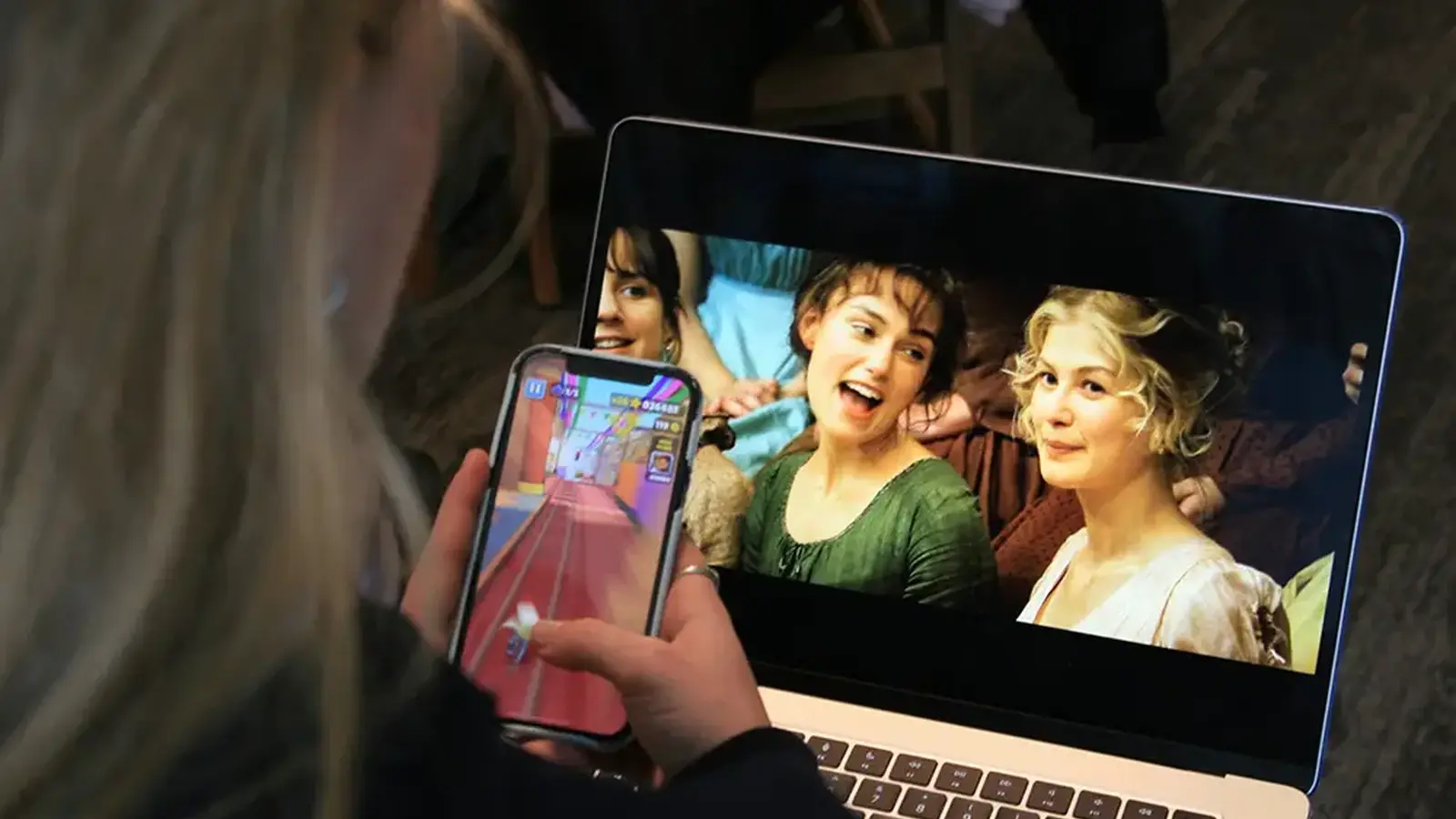
A recent study reported by The Atlantic has triggered a serious debate in cinema departments worldwide: a large share of film students no longer watch films all the way through. The findings point to a behavioral shift that undermines core training in film analysis, storytelling and cinematic literacy. In lecture halls and screening rooms, students are increasingly distracted by phones, and many instructors report that this persistent fragmentation of attention has become the rule rather than the exception.
From Jules and Jim to TikTok: a worrying example
One striking example in the research involved Francois Truffaut’s Jules and Jim — a 105-minute New Wave classic. During classroom screenings, more than half of students failed to answer basic plot questions correctly; answers were sometimes so off-base they suggested viewers had not followed the film at all (some even mentioned characters hiding from Nazis or a cameo by Ernest Hemingway). That mismatch between text and reception exposes not only attention gaps but gaps in cultural literacy.
The problem isn’t runtime or foreign-language subtitles. Educators point out that many Gen Z viewers comfortably watch long-subtitled anime series — so the issue is less technical than behavioral. The study’s authors trace much of the change to conditioning by short-form platforms like TikTok and YouTube, where the reward structure favors rapidly edited, bite-sized clips that train audiences for constant novelty rather than sustained engagement.
How classrooms are adapting — and what’s at stake
Some instructors have responded by abandoning full screenings in favor of curated clips to force key points into bite-sized lessons. That expedient approach, however, risks eliminating the holistic experience of watching a film from start to finish — an experience crucial for understanding rhythm, narrative development, mise-en-scène, and the emotional logic of cinema.
Other educators are fighting back with what they call "slow cinema" syllabuses: courses that deliberately reintroduce long takes, patient pacing and extended screenings as training in attention and cinematic pleasure. They pair screenings with enforced phone-free policies, pre-screening orientation and follow-up discussions that connect aesthetic choices to directorial intent and historical context.
Comparisons and broader context
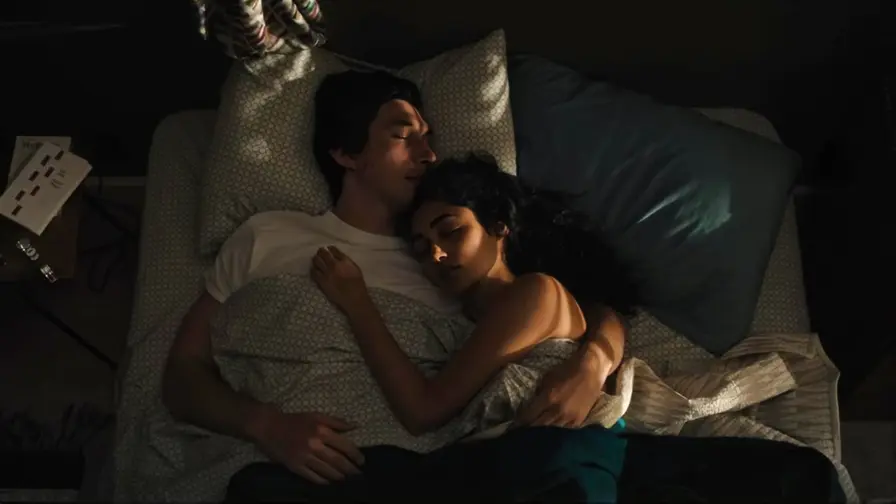
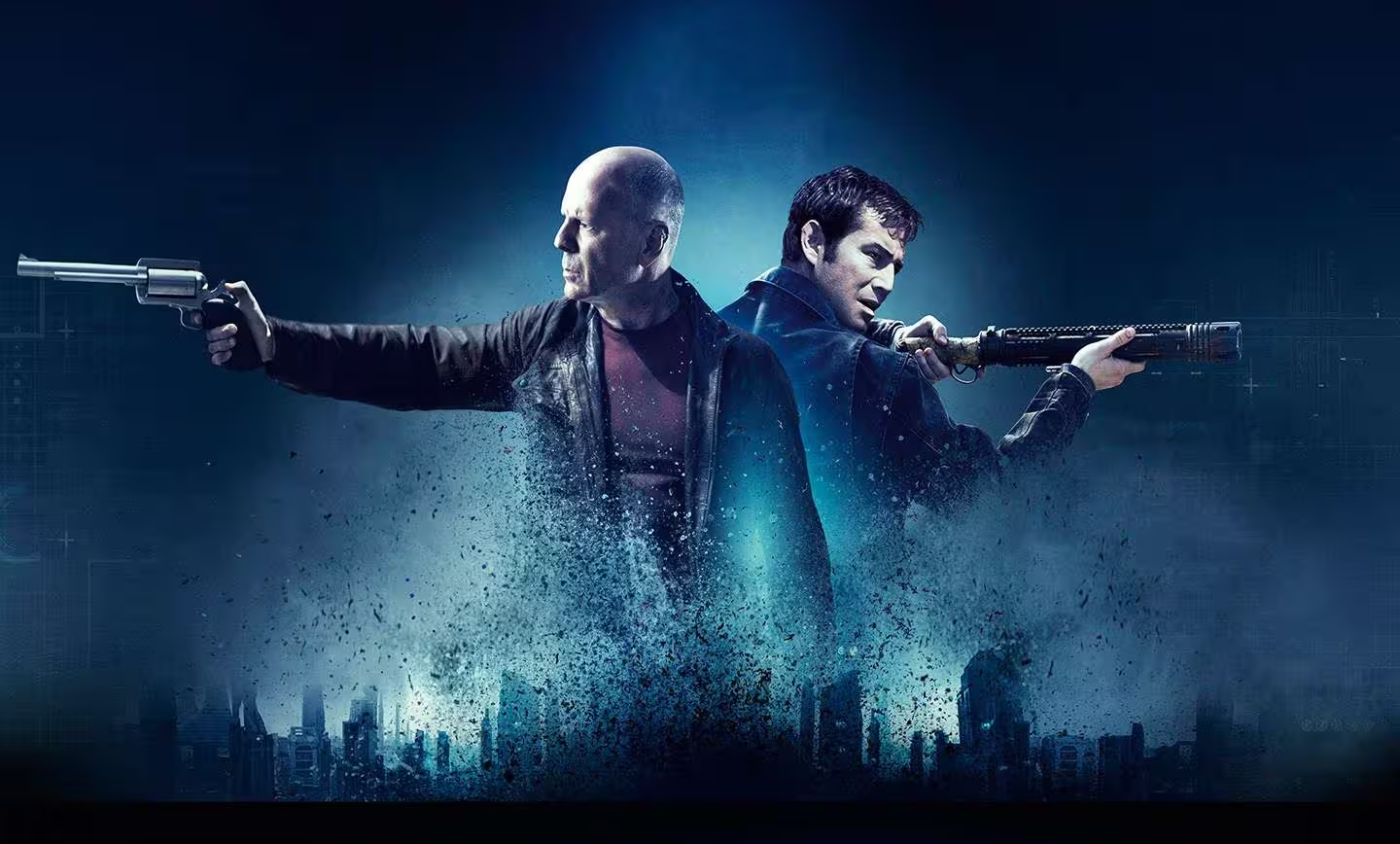
This crisis sits at the intersection of culture, technology, and pedagogy. Compare Truffaut’s intimate character study to modern serialized storytelling like The Crown or long-form anime such as Attack on Titan — series that demand commitment yet retain engaged global audiences. The difference highlights that young viewers are capable of focus; they simply allocate attention differently depending on platform, community norms and perceived value.
Trivia: Jules and Jim (1962) is one of Truffaut’s most celebrated films and a touchstone of the French New Wave. Its elliptical narrative and tonal shifts require sustained attention to register the emotional stakes — exactly the skills that fragmented viewing erodes.
Critical perspectives and practical steps
Critics of the study argue against moral panic: attention is adapting to new media ecologies. Yet educators warn that film school cannot be reduced to scene-study clips alone. The stakes include future filmmakers’ ability to conceive long-form narratives, editors’ sense of pacing, and critics’ and scholars’ ability to place works in larger cultural and historical frames.
Practical responses include mandatory screening attendance, guided viewing notes, reflective writing assignments, and collaborative screenings that recreate communal viewing. Film festivals and campus cine-clubs are also reclaiming the screening night as an event — a reminder that cinema is as much a shared cultural ritual as it is an aesthetic practice.
"We must remember that attention is a craft as much as a habit," says cinema historian Marko Jensen. "Teaching students to sit with a film, to tolerate ambiguity and to follow tonal shifts is training for the kinds of patience cinema requires. Without that, we risk producing technicians rather than storytellers."
Whether film schools will reverse the trend remains uncertain. But the debate already offers a valuable prompt: if cinema matters, how do we preserve the conditions in which it can be properly experienced, studied and made?


Leave a Comment
Comments (2)
is this study solid or clickbait? Classroom phones are an issue, sure, but students binge long shows too. context matters, use better data tbh
wow, didnt expect so many students skipping whole films. sad but believable. Attention is getting trained for fast snacks, not depth. How do you teach patience?