
3 Minutes
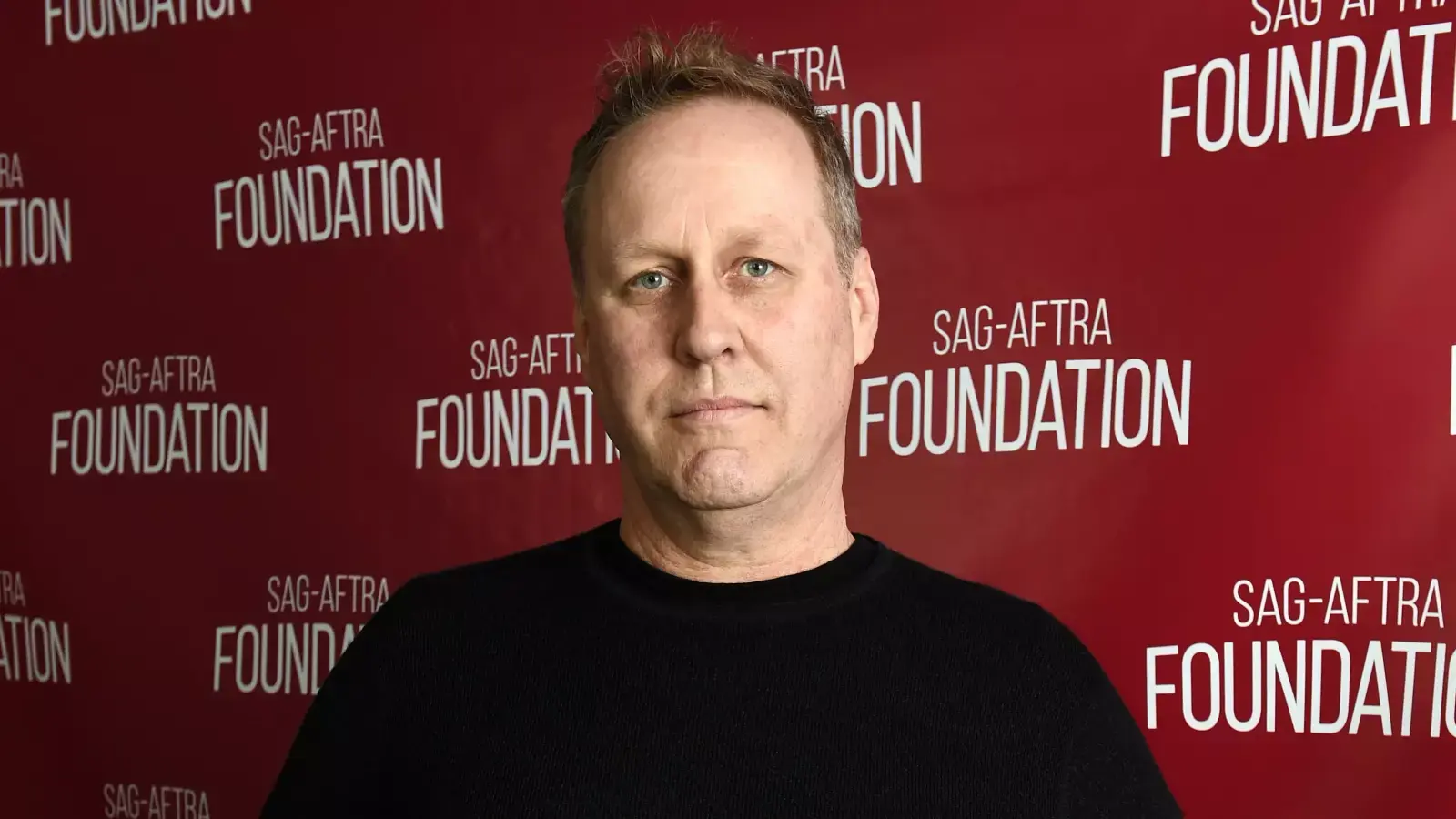
Roger Avary bets on AI: three films in the pipeline
Roger Avary, the Oscar-winning co-writer of Pulp Fiction, has announced an ambitious new phase in his career: three feature films developed under the banner of AI-assisted production. Speaking on The Joe Rogan Experience podcast, Avary revealed he has founded a Texas-based company called General Cinema Dynamics and recently secured significant investment to power the studio's first slate of projects.
Avary said the buzzword 'artificial intelligence' quickly attracted financiers. "I always try to get projects off the ground, but it's nearly impossible," he explained. "Last year I launched a tech company to make AI films, and suddenly a lot of capital arrived. Now we have three films in production." While he shared little in the way of story details, Avary offered release windows and tonal clues that hint at a diverse program.
What we know so far
- A family-oriented film is targeted for a Christmas 2026 release.
- A second picture with a religious theme is scheduled for Easter next year.
- The third is described as a sweeping wartime love story.
No casting, crew details, or descriptions of how AI will be used were confirmed. Fans and industry observers are left to speculate whether the technology will generate scripts, assist in visual effects, drive casting choices, or play a hybrid creative role.
Context: where Avary’s move fits in the industry
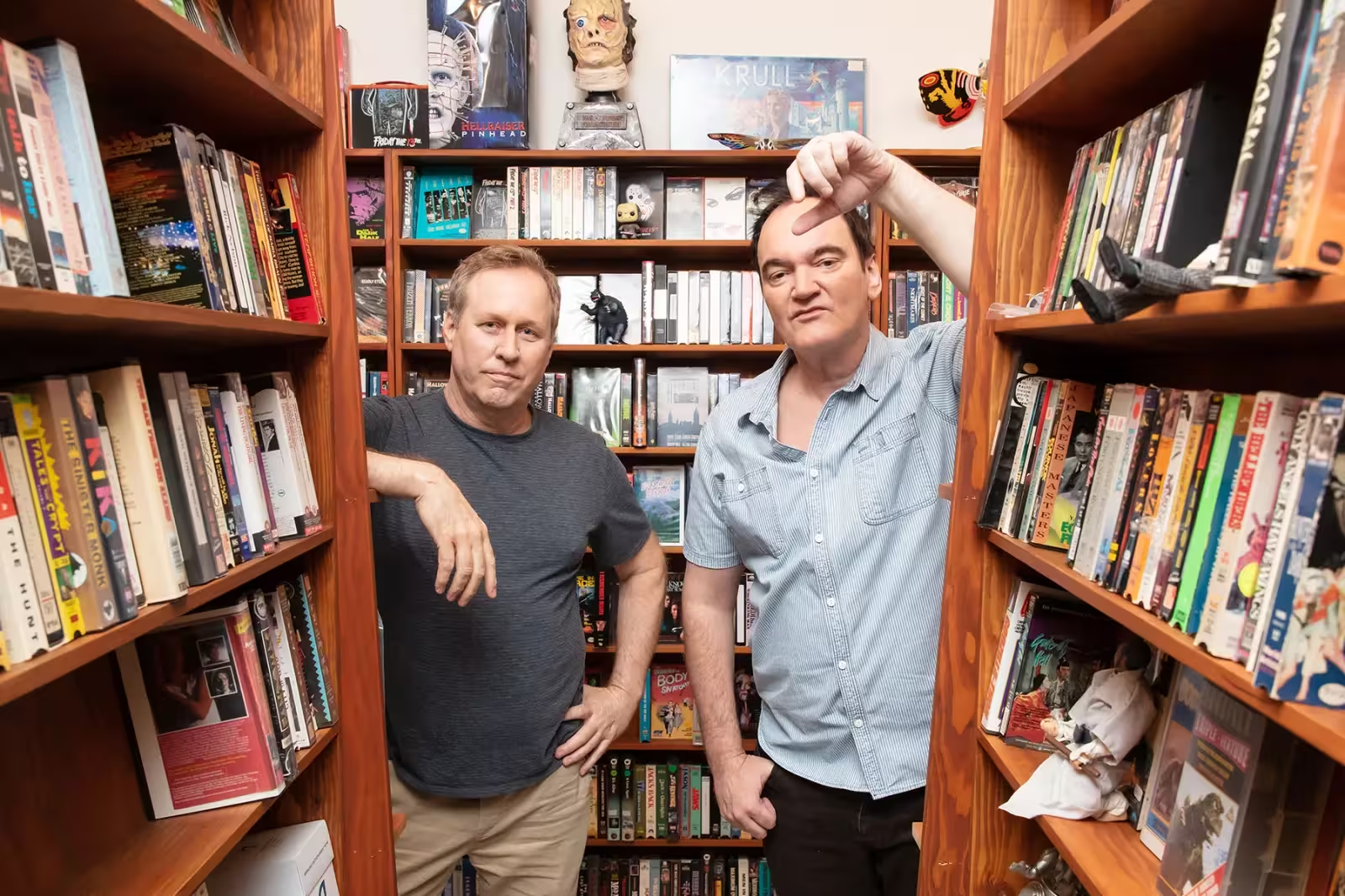
AI experimentation in cinema is not new—early shorts like the 2016 film "Sunspring" showed that algorithms could produce surprising, if sometimes surreal, scripts. But Avary's project stands out because it combines a recognized screenwriter-director's sensibility with institutional funding aimed at feature films. For viewers who remember Avary’s razor-sharp dialogue in Pulp Fiction or his earlier directorial work in The Rules of Attraction and Killing Zoe, the question is whether AI will augment his voice or dilute it.
Investors' enthusiasm reflects a larger industry trend: AI promises faster pipelines, cost efficiencies in VFX and editing, and new creative tools for storytelling. Yet it also raises ethical and legal questions—credits, rights to training data, and the future of writers and crew are all unsettled terrain.
Comparisons and possible pitfalls
If executed carefully, Avary’s AI-assisted films could resemble hybrid projects that pair human creatives with advanced tools—like de-aging VFX or machine-assisted color grading—rather than fully automated productions. Conversely, a heavy reliance on algorithmic outputs risks producing content that feels generic or disconnected from the subtleties of lived human experience.
"Avary's move is notable not because AI is novel, but because a writer with his pedigree is willing to experiment publicly with it," says cinema historian Marko Jensen. "This could push mainstream cinema into productive hybrid workflows—but it will also test our definitions of authorship and craft."
Fan reaction and what's next
Reactions across film communities have been mixed: curiosity and excitement mingle with skepticism. For now, audiences will have to wait for casting announcements, trailers, and more technical transparency from General Cinema Dynamics.
Avary’s gamble is a reminder that technology often speeds into storytelling long before industries have consensus on how to use it. Whether these three films become a new blueprint for AI filmmaking or a cautionary footnote will depend on execution—and on how audiences respond to stories shaped at least in part by machines.
In short: an intriguing experiment worth watching—both for what it might create on screen and what it could mean for the future of cinema.







Leave a Comment
Comments
No comments yet. Be the first.