
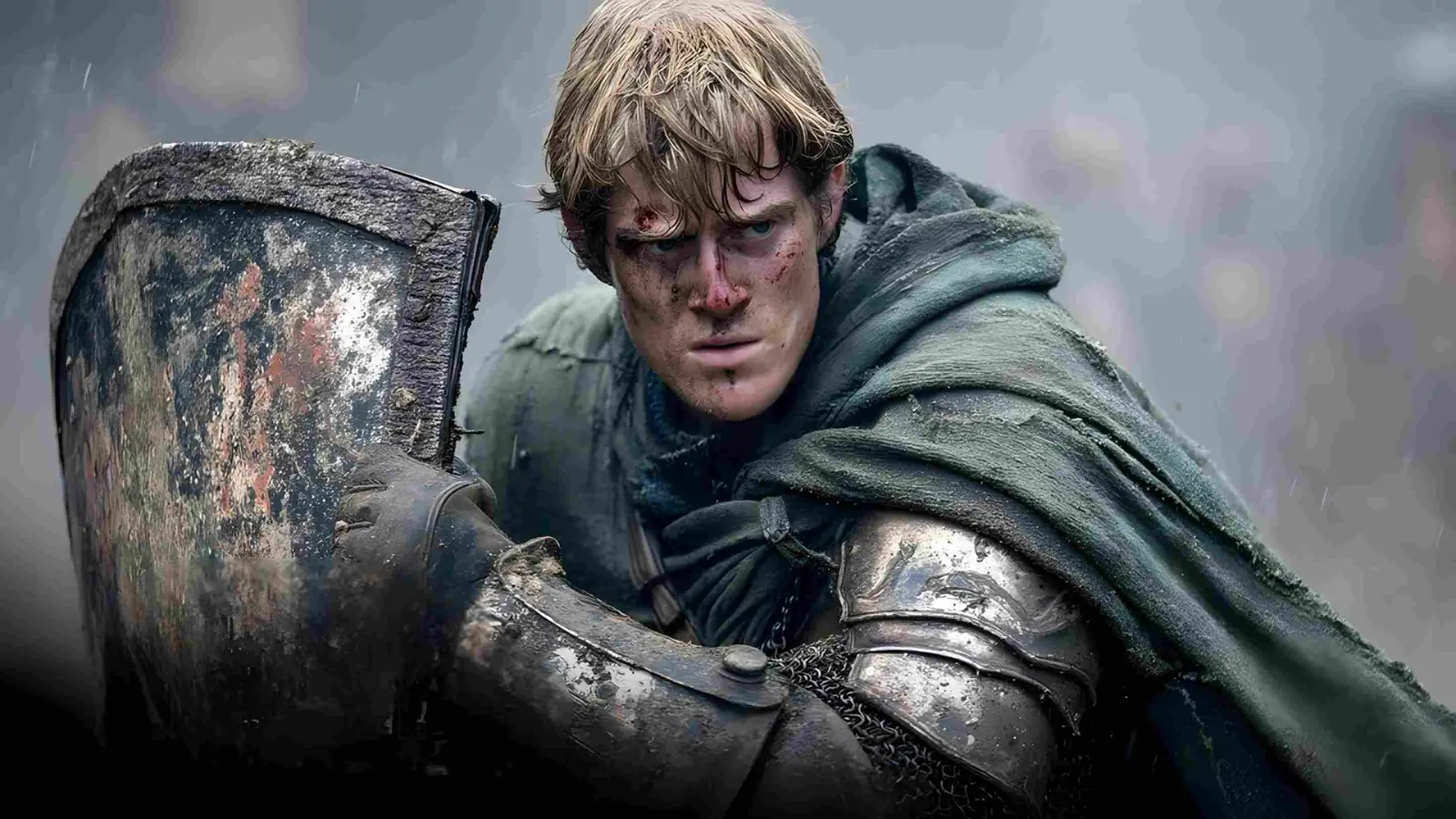
HBO kicks off 2026 with two breakout hits
HBO started the year on a high note as two very different series — A Knight of the Seven Kingdoms and medical drama The Pitt — raced to the top of streaming charts, delivering impressive viewership and sparking a fresh wave of conversation about the network's programming strategy.
According to reports from ComingSoon, A Knight of the Seven Kingdoms, the Game of Thrones spinoff, is averaging around 13 million U.S. viewers per episode and is on track to become one of the biggest HBO Max premieres. At the same time, The Pitt’s second season is holding strong with roughly 12 million average viewers per episode, a striking 50% increase over its first season and enough to secure an early renewal for season three.
Head-to-head: Fantasy spectacle vs. gritty medical drama
The story here isn’t a simple winner-takes-all. A Knight of the Seven Kingdoms delivers the sweeping worldbuilding and high production values audiences expect from anything linked to the Game of Thrones universe. It captures the sort of appointment viewing and social buzz typically reserved for prestige fantasy — think the initial cultural splash of House of the Dragon or earlier GOT premieres — while appealing to a global fanbase already primed for dragons, court intrigue, and cinematic battle sequences.
.avif)
By contrast, The Pitt trades in intimate, adrenaline-fueled storytelling: a real-time glimpse into a trauma hospital in Pittsburgh. Its growth between seasons suggests strong word-of-mouth and deep engagement with viewers who prize character-driven medical realism — a trend we've seen with other medical dramas that build loyal audiences over time.
What the numbers mean for HBO
Combined, the two shows give HBO both scale and diversity: a big tentpole fantasy to attract mass audiences and a reliable procedural-drama engine that retains subscribers week after week. High premiere numbers are one thing, but steady season-over-season growth — as demonstrated by The Pitt — signals sustainable audience investment.
Film critic Anna Kovacs offered a measured perspective: "HBO's strategy of pairing prestige genre franchises with grounded, character-led dramas is paying off. These ratings show that the streamer can build immediate tentpole excitement while cultivating long-term loyalty."
Beyond the raw figures: fan reaction and industry context
Fan communities have been lively. Subreddits and Twitter threads dissect each Knight episode’s lore and costume design, while medical professionals and viewers praise The Pitt for its tense, realistic approach to trauma care. Behind the scenes, both shows have benefited from heavy production values: veteran showrunners and returning GOT-era talent have brought credibility to the fantasy spinoff, while The Pitt’s writers and consultants leaned into medical authenticity to hook an audience seeking realism.
On an industry level, these successes underline a broader streaming trend: diversified portfolios win. Platforms that can attract both blockbuster premieres and steady-earning serialized dramas are better positioned to retain subscribers and justify premium pricing.
Critical perspective
It’s worth noting that headline viewership—while impressive—doesn’t tell the whole story. Metrics like completion rate, international traction, and long-term subscriber retention will determine the long tail value of each series. Still, an early season three pickup and double-digit millions per episode are rare wins in today’s fragmented streaming landscape.
Whether you’re into high-stakes sword-and-crown drama or the pulse-quickening rhythms of emergency medicine, HBO’s twin hits give viewers strong reasons to tune in. For now, the network has the momentum—and two very different but equally formidable shows—to build on.

Leave a Comment
Comments
No comments yet. Be the first.