
3 Minutes
Political Pressure Lands on a Streaming Giant
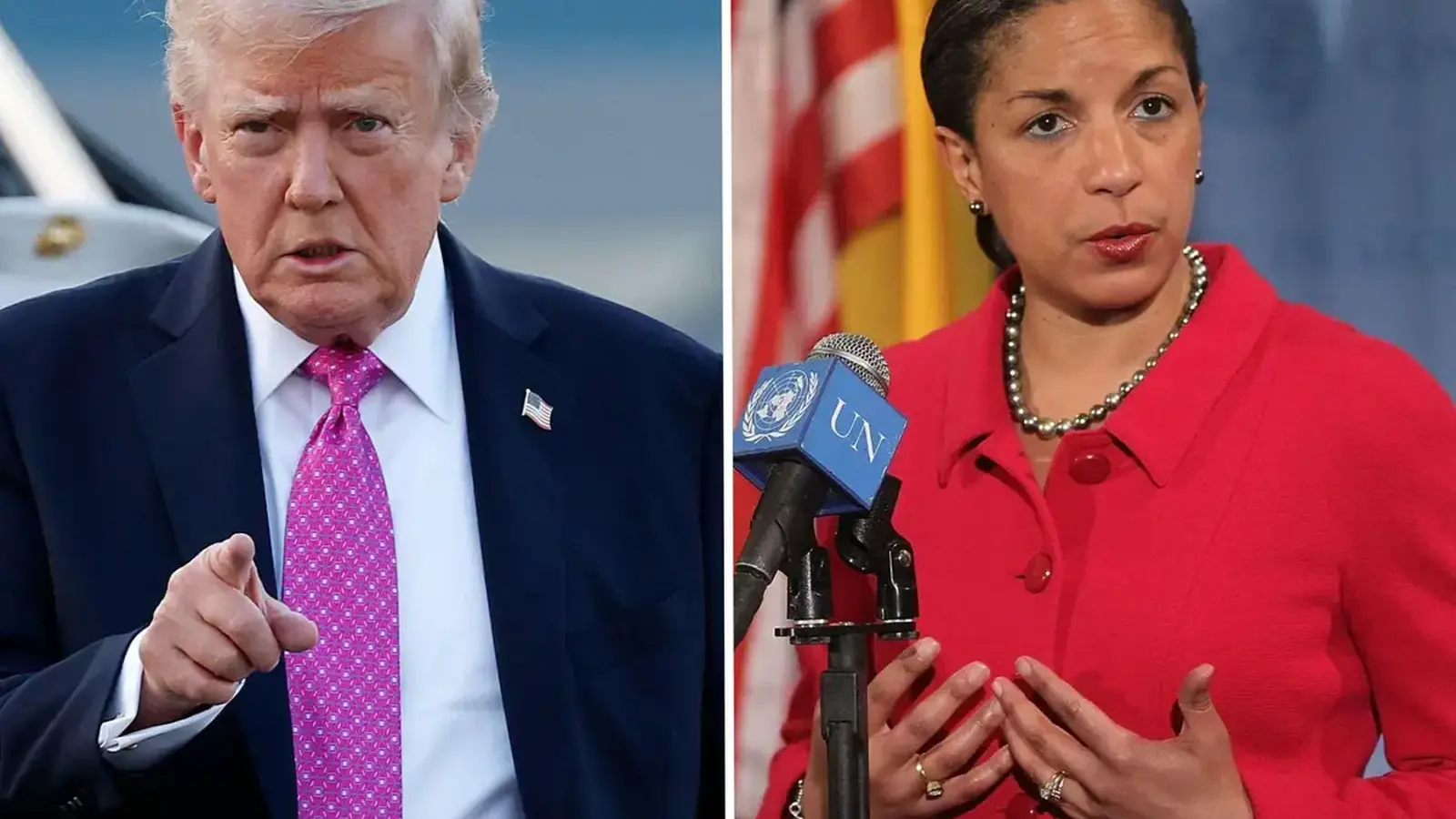
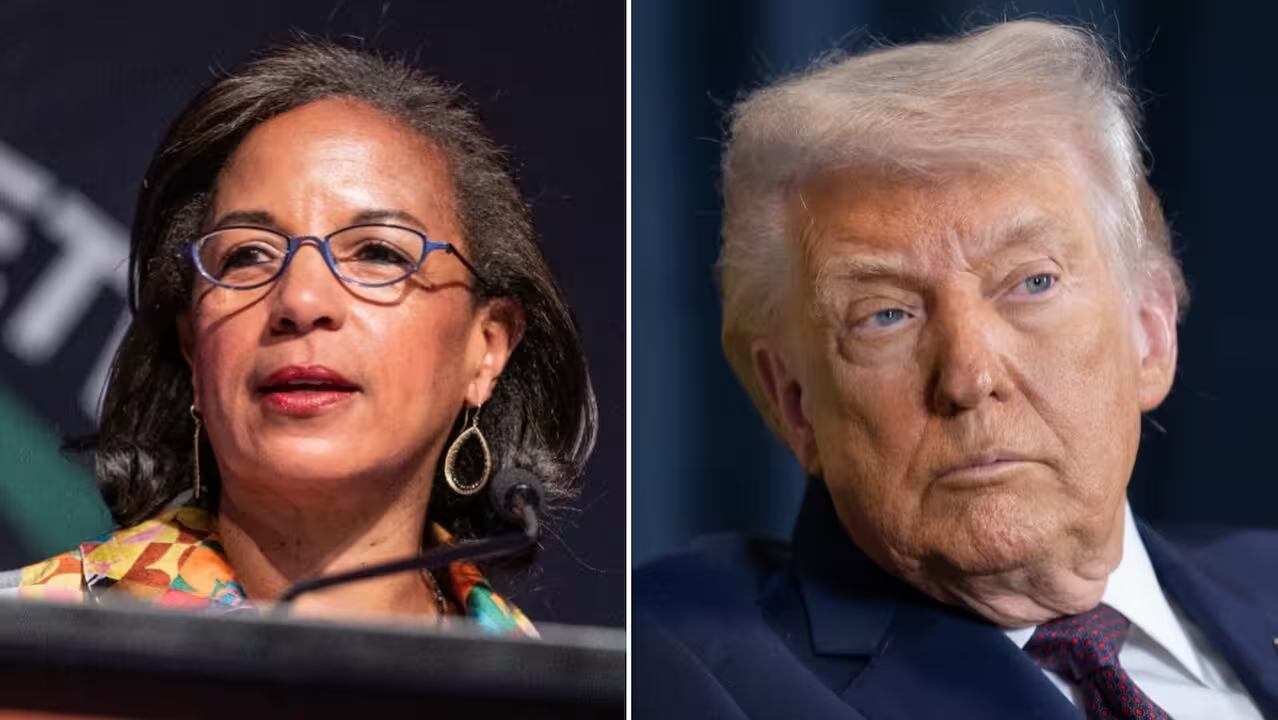
Former US president Donald Trump has publicly demanded that Netflix dismiss board member Susan Rice, escalating a rare moment where partisan conflict directly targets a major streaming platform's corporate governance. The request, posted on Trump's social network Truth Social, framed Rice as 'politically motivated' and urged Netflix to remove her or face unspecified consequences.
Susan Rice, the former US ambassador to the United Nations and national security adviser, recently appeared on a podcast hosted by Preet Bharara. In that conversation she warned that firms and media organizations that align with Trump for short-term gain could face repercussions if Democrats regain power. Those comments appear to have triggered the social-media rebuke and a renewed spotlight on the intersections of politics, media, and streaming leadership.
Context: Streaming Mergers and Cultural Scrutiny
This public spat comes as Netflix has been mentioned in the broader debate around consolidation in the entertainment industry — notably the proposed or rumored interest in Warner Bros assets. Conservative activist Laura Loomer has criticized Netflix for any moves toward acquiring Warner Bros, arguing potential cultural and competitive consequences. Lawmakers and antitrust observers have been asking similar questions about how streaming consolidation affects choice, diversity of content, and creative independence.
Historically, media mergers have faced political scrutiny—recall the regulatory battles over AT&T and Time Warner—so Netflix's role in any large acquisition would naturally reopen those conversations. Even if regulators ultimately separate commercial from political concerns, public disputes like this shape perception among creators, subscribers, and advertisers.
What it Means for Creators and Audiences
For filmmakers, showrunners, and actors, these boardroom rows are more than headlines: they signal how political pressure can ripple down to commissioning decisions, marketing campaigns, and the kinds of stories a platform chooses to champion. Independent creators worry that corporate caution in the face of political heat could narrow risk-taking and reduce investment in challenging or controversial projects.
At the same time, audience reaction has been mixed: some subscribers support calls for corporate accountability, while others decry what they see as political overreach into cultural institutions. Social media debates, petitions, and op-eds are already shaping the narrative around Netflix's next moves.
Critical Take
This episode illustrates a growing reality: streaming platforms are no longer neutral distribution pipes. They're cultural actors whose board compositions, M&A strategy, and public statements carry political weight. Whether Netflix responds by defending board independence, removing Rice, or staying silent will be a test of how much influence external political actors can exert on creative ecosystems.
In short, this is both a political incident and an industry story — one that could influence future streaming deals, creator confidence, and how platforms navigate cultural controversies. Keep an eye on statements from Netflix and any regulatory inquiries tied to larger merger talks; both will matter to the future of streaming and the kinds of cinema and series that get made.

Leave a Comment
Comments
No comments yet. Be the first.