
4 Minutes
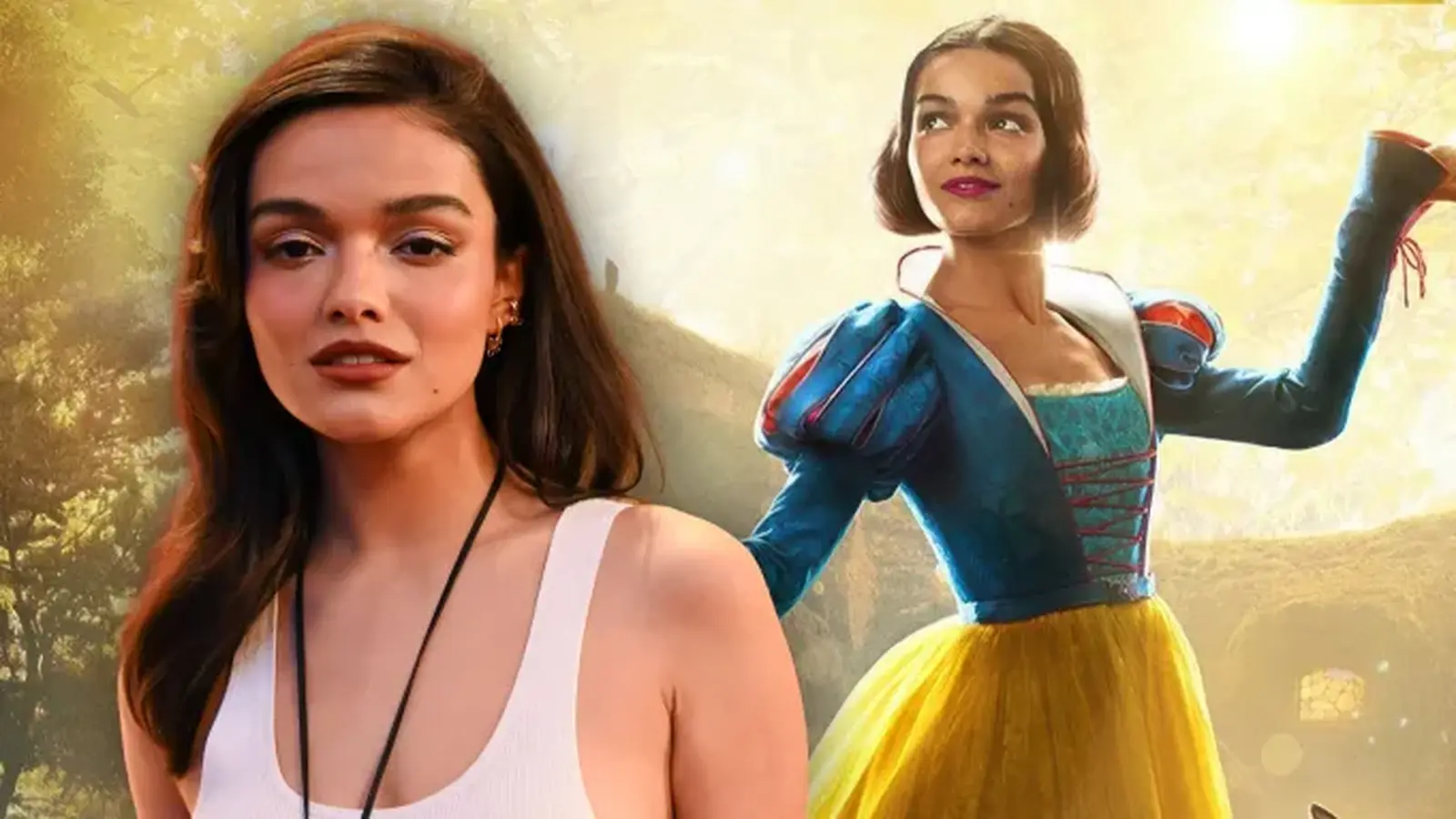
When Rachel Zegler was announced as the leading star of Disney’s live-action Snow White, the reaction was immediate and polarizing. The young actress who first drew widespread attention in Steven Spielberg’s adaptation of West Side Story quickly found herself at the center of a larger conversation about identity, representation, and what modern audiences expect from beloved classics.
Zegler has openly reflected on the contradictory messages she received early in her career — praised for her talent, yet criticized for not fitting narrow ideas of ethnic or visual authenticity. In interviews she’s explained how being both visibly Latinx and not matching one specific cultural label left some viewers confused: “I was told I wasn’t enough of one thing for West Side Story and too much of another for Snow White,” she said. That line captures a larger industry pattern, where actors of mixed or diverse backgrounds can be questioned for their very existence in certain roles.
Context: remakes, representation, and public expectations
Disney’s live-action remakes have become a dominant trend in the streaming and theatrical markets, aiming to refresh IP for new audiences. But casting choices for these films are often scrutinized through a nostalgic lens — fans compare photographs and animation frames, and debates about “fidelity” to the original frequently escalate into cultural arguments. Snow White’s animated origin, with its Eurocentric aesthetic, made the casting of a Latina-identifying actress feel like a provocation to some and a welcome update to others.
The West Side Story controversy that preceded Snow White revolved around authenticity in representing Puerto Rican characters. Critics argued for casting actors who share a story’s cultural background; others warned such arguments can become restrictive and exclusionary, especially when talent and nuance are at stake. Both disputes illuminate the industry’s struggle to balance historical context with modern ideals of inclusivity.
Social media backlash, activism, and personal cost
Beyond aesthetics, Zegler’s public stances — including critiques of outdated elements in the original Snow White film and vocal support for Palestinian causes — amplified reactions. She has said she will speak according to her values, but also acknowledged learning from the experience: sometimes the impulse to tweet doesn’t translate into the most productive form of activism.
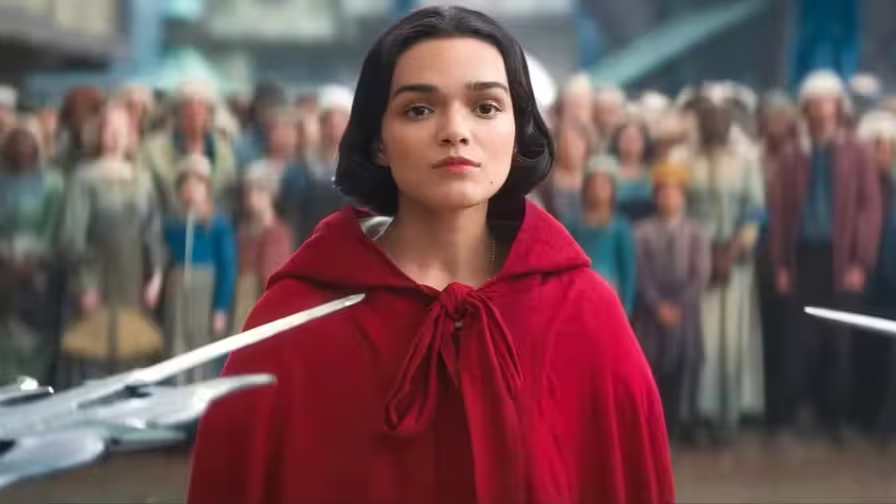
The vitriol wasn’t merely online noise. Zegler has described receiving threats to her safety, a chilling reminder of how celebrity, politics, and fandom collide in the age of social media. Her blunt observation — that she might have thrown her phone into the ocean if she could have predicted the fallout — underscores the emotional toll public figures face when visibility and conviction meet harassment.
Critical perspective and where the industry goes next
There’s a practical conversation to be had about how studios approach casting and community outreach for remakes. Transparent casting announcements, thoughtful PR that engages with diverse fan communities, and robust safety measures for performers are essential. Comparatively, recent remakes that leaned into diverse casting while preparing audiences through interviews and behind-the-scenes features tended to encounter less backlash.
Film critic Anna Kovacs, a veteran of international cinema coverage, notes: "The Zegler controversies expose a cultural crossfire where old franchises meet new social expectations. Studios must do more than announce casting; they need to contextualize it and protect their talent." Her point highlights a gap between creative choices and audience readiness.
Behind the headlines, many film fans have embraced Zegler’s casting as a step toward more varied representation in mainstream cinema. Fan art, supportive social campaigns, and discussions in film forums show that while controversy dominated news cycles, many viewers welcomed change and celebrated an actress willing to bring her identity to a major studio role.
Casting debates aren’t going away — they reflect evolving standards in film, television, and the arts. What matters is whether the industry learns to marry creative risk with cultural sensitivity, and whether it protects the artists who step into the spotlight to tell new versions of old stories.
In the end, Zegler’s experience is about more than one role: it’s a flashpoint in ongoing conversations about who gets to be seen, how stories are retold, and what audiences demand from modern adaptations.


Leave a Comment
Comments (2)
is this even about authenticity or just nostalgia? studios should explain choices, not toss talent into a storm with zero support
wow, Zegler got dragged into the culture wars again? seeing death threats over casting is disgusting. representation matters, but fans losing it online is scary. if studios cared they'd prep ppl better