
4 Minutes
Senator warns stalled CLARITY Act could leave crypto unregulated until 2030
Sen. Cynthia Lummis has warned that if the CLARITY Act fails to clear Congress this session, lawmakers may not get another realistic opportunity to pass comprehensive crypto regulation until 2030. The Wyoming Republican framed the bill as a narrow window for establishing durable federal rules for digital assets, exchanges, developers, and stablecoin issuers before election politics slow the legislative calendar.
Why Lummis says delay could push crypto rulemaking to 2030
Lummis posted on X that the current legislative moment offers perhaps the best chance in this Congress to set a national framework for cryptocurrency markets. With the House already approving the bill on a bipartisan basis, the remaining hurdle sits in the Senate, where timelines and political dynamics—especially the 2026 midterms—could derail momentum.
She argued that without a statutory framework, the industry will continue to operate under patchwork regulation and shifting agency guidance. That legal uncertainty, Lummis said, harms developers and startups seeking clear compliance pathways and hampers law enforcement efforts to pursue illicit activity in digital asset markets.
.avif)
Senate pressure and the legislative path forward
The CLARITY Act passed the Senate Banking Committee on a 15–9 bipartisan vote after amendments, but it still needs to clear the Senate floor. Most major bills require 60 votes to advance, and any further Senate edits must be reconciled with the House version before sending legislation to the president. Lummis warned that delays from extended debate, additional amendments, or election-season politics could push a final vote well beyond the current Congress.
What the CLARITY Act would establish
Supporters say the CLARITY Act would create a unified federal structure for classifying digital assets and defining which regulators have authority—clarity that many crypto firms say is necessary to keep innovation in the United States. Key elements include rules for how tokens are categorized, compliance requirements for exchanges and developers, and a framework for stablecoin issuers.
Proponents argue that setting federal standards will stop case-by-case enforcement and provide legal protections for developers building decentralized software. It would also give enforcement agencies a clearer foundation to pursue bad actors in digital asset markets while leveling the playing field for regulated participants.
Stablecoins, AML and banking concerns
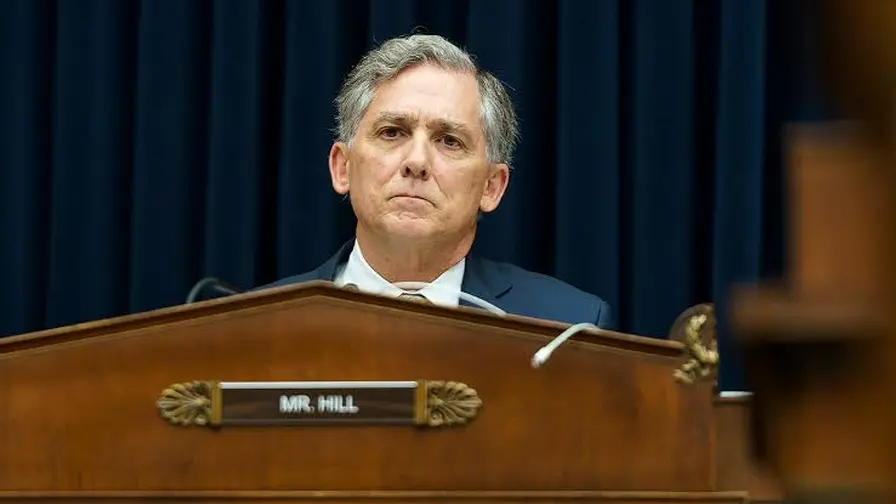
Not all stakeholders are on board. Banking industry leaders have voiced strong reservations about certain provisions. JPMorgan Chase CEO Jamie Dimon publicly criticized the bill, warning that provisions allowing interest-like rewards on stablecoin holdings could siphon deposits from traditional banks. Dimon and other banking executives have pressed Congress for stricter anti-money laundering (AML) controls and more explicit Bank Secrecy Act (BSA) compliance tied to any stablecoin product that resembles deposit accounts.
Crypto exchanges and firms, including Coinbase and other industry players, counter that regulated digital asset products should let customers earn benefits while remaining subject to appropriate safeguards. The debate over stablecoin rules and AML/BSA standards is among the most contentious issues in ongoing Senate negotiations.
White House and regulatory context
The White House has signaled support for a legislative solution to digital asset policy, and senior Treasury officials have publicly expressed backing for clear statutory rules. Former SEC and regulatory officials have also noted that while agencies can shape policy through guidance, no-action letters, and approvals, those mechanisms do not offer the permanence of legislation and remain subject to change under future administrations.
Lummis has emphasized that relying solely on agency action leaves market participants exposed to regulatory swings—another reason she views the CLARITY Act as urgent.
Industry implications if the bill stalls
If Congress cannot reconcile differences and pass the bill this session, the crypto industry could face years of uncertainty. Firms may delay product launches, shift operations offshore, or restructure offerings to avoid regulatory risk. Stablecoin issuers and exchanges could operate under inconsistent regional or agency-driven frameworks, complicating compliance and market access.
Law enforcement and financial regulators could also lack a coordinated playbook for addressing fraud, money laundering, and other illicit uses of crypto, limiting effective cross-agency cooperation.
What to watch next
Market participants, policy watchers, and crypto investors should track the Senate calendar, committee actions, and any bipartisan signals that could expand support for a compromise. The CLARITY Act remains a focal point of U.S. crypto policy, and its fate will influence how the industry evolves domestically over the next several years.
Whether Congress finalizes a federal rulebook now or allows the process to lapse will shape the regulatory environment for stablecoins, decentralized developers, exchanges, and institutional adoption well into the next decade.


Leave a Comment
Comments (2)
Makes sense tbh, hurry Congress up. Banks always panic about stablecoin yields, but we need clear rules so startups dont bolt offshore lol
Wait, so if CLARITY stalls we might not get federal rules until 2030 ? That sounds risky, but is that timeline realistic or just election posturing..