
2 Minutes
Gold falls back despite Middle East tensions
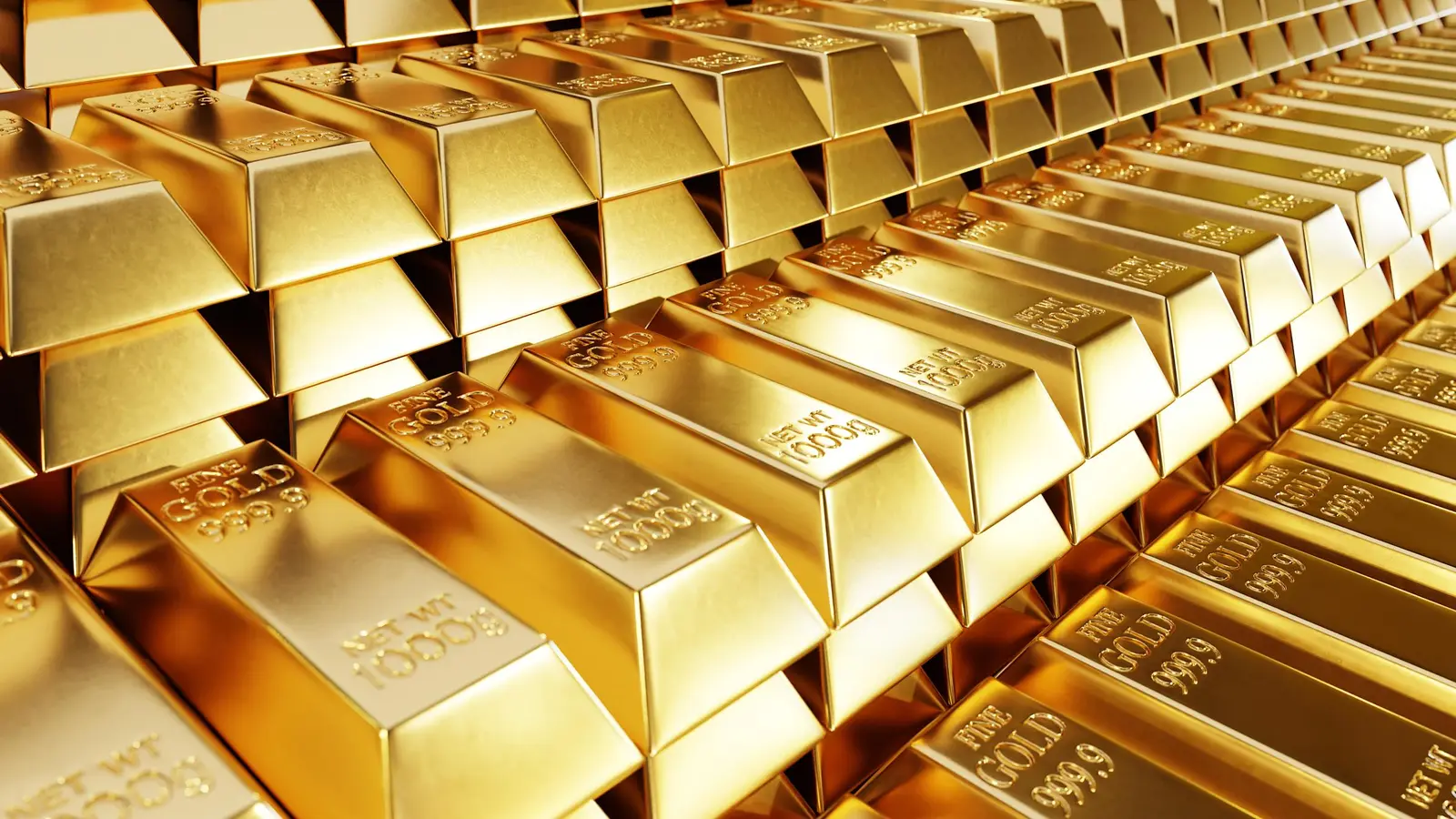
Gold surrendered all of its 2026 gains after a surprisingly strong U.S. jobs report and a resulting shift in the interest-rate outlook. The Labor Department reported 172,000 new jobs in May versus the 85,000 forecast, a beat that reduced market hopes for near-term rate cuts. The data strengthened the dollar and pushed Treasury yields higher, eroding gold's appeal as an alternative asset. The metal slid to roughly $4,294, marking its lowest level of the year.
Why the price dipped
Robust U.S. labor data and Fed outlook
The stronger-than-expected payrolls print increased expectations that the Federal Reserve could keep interest rates higher for longer. Higher real rates make non-yielding assets like gold less attractive for investors, contributing directly to the metal's pullback.
Stronger dollar and rising Treasury yields
A firmer U.S. dollar and a jump in Treasury yields reduced demand for bullion. As yields climb, the opportunity cost of holding gold rises, prompting some investors to rotate into fixed income and dollar-denominated assets.
Wall Street banks keep bullish long-term forecasts
Despite the recent sell-off, major banks maintain bullish gold price targets for 2026. Goldman Sachs forecasts gold at $5,400 by year-end. JPMorgan offers the most aggressive outlook with targets between $6,000 and $6,300. Deutsche Bank sees an upside toward $6,000, while UBS retains a $5,900 year-end target.

Why banks are optimistic
Analysts point to sustained central bank purchases, a broad trend toward reducing reliance on dollar reserves, and ongoing geopolitical risks—including renewed clashes between Iran and Israel—as structural drivers supporting gold over the medium to long term.
Key risks and what to watch next
Federal Reserve policy
If the Fed raises rates further in the coming months, gold's near-term outlook will face a stiff test. Higher policy rates typically pressure bullion prices.
Geopolitics and central bank demand
Conversely, escalating geopolitical tensions or accelerated central bank buying could reignite safe-haven demand and push gold higher.
In summary, gold has given back 2026 gains amid a stronger dollar and hawkish rate expectations, yet major Wall Street banks remain confident in a longer-term rally driven by central bank buying, de-dollarization trends, and geopolitical risk.

Leave a Comment
Comments
No comments yet. Be the first.