
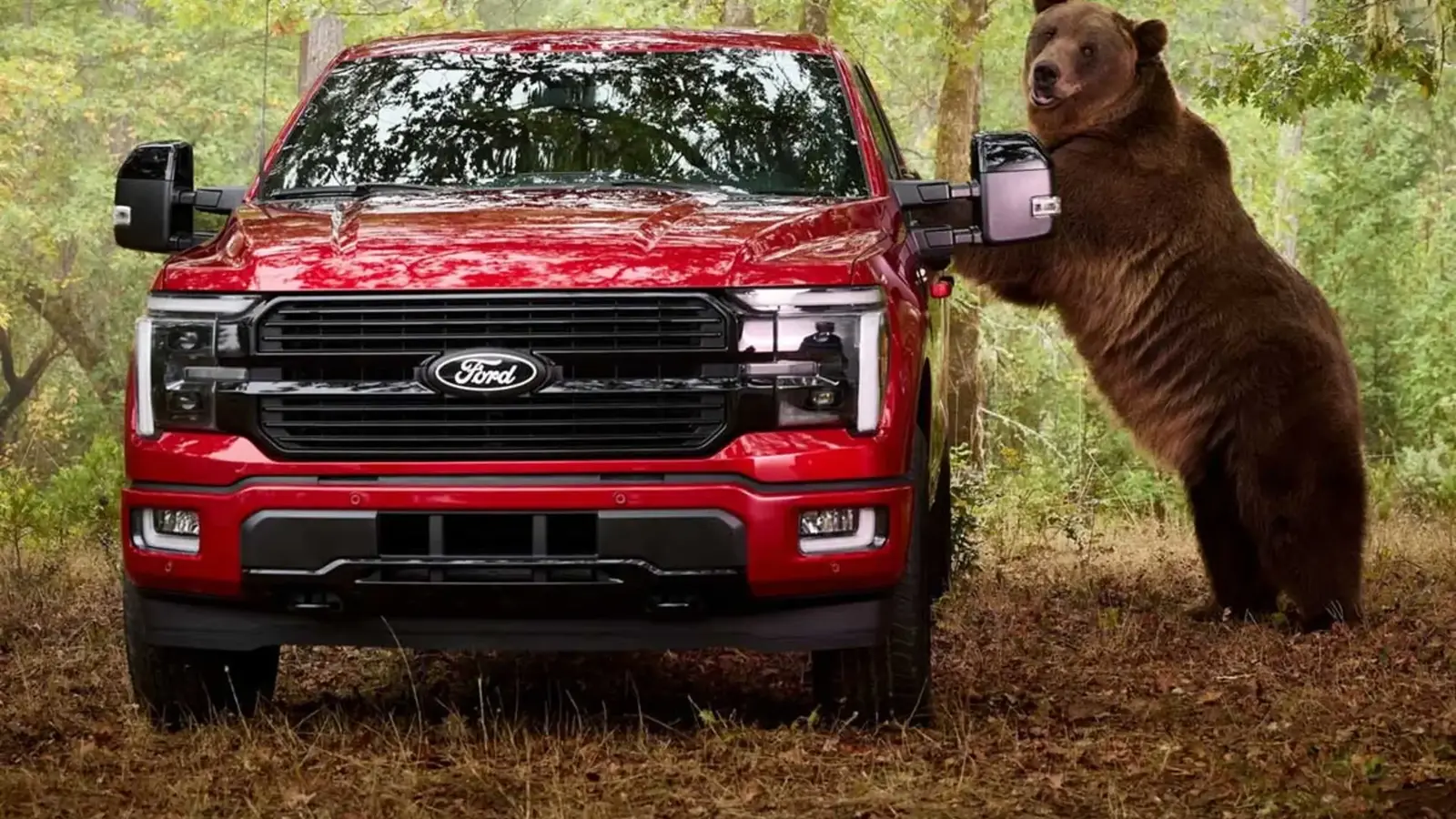
When marketing meets brute force: a Kodiak bear vs the F-150
Ford staged an eye-catching demonstration to showcase the new security package available on the F-150. Instead of dry lab charts, the automaker enlisted a trained Kodiak bear named 'Tag', weighing about 363 kilograms, to test how the pickup's surveillance and anti-intrusion systems respond to a physical attacker. In the footage, the bear thumps the truck, claws at the bodywork, smashes glass and even manages to open a door, all while Ford's sensors react and log the events.
The spectacle was entertaining and memorable, but it raises a practical question for buyers and fleet operators: does this package protect the F-150 from real-world thieves who use increasingly sophisticated electronic attacks rather than blunt force?

What the security package offers
Beyond the headline-grabbing stunt, the technology inside Ford's security suite is substantive and worth attention. Key features include:
- Alerts for unauthorized cabin entry and sudden door openings
- Notifications for unexpected vehicle movement or tampering
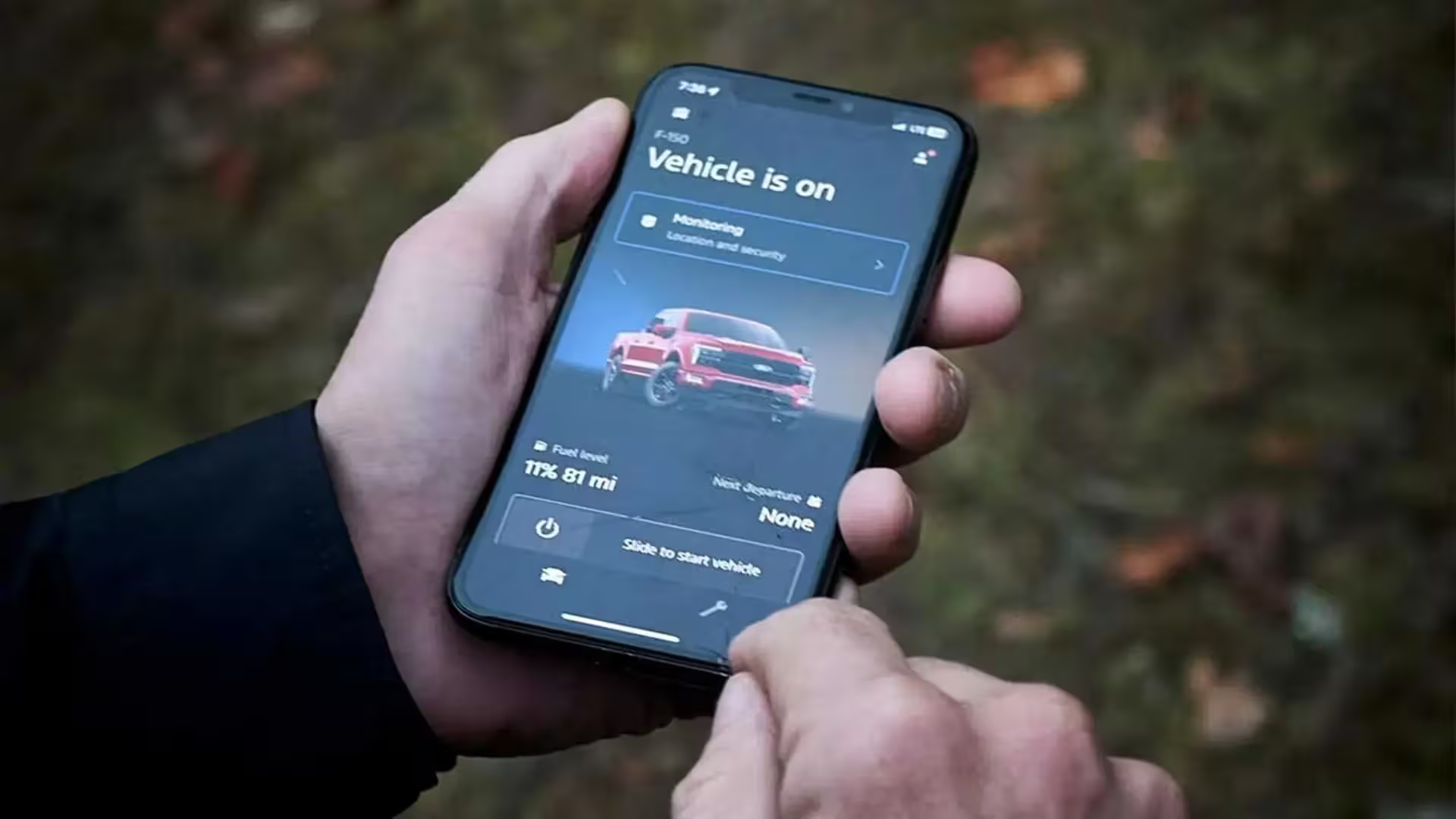
- Remote access to onboard camera feeds and live video
- Cloud storage for recorded clips and incident evidence
- Remote engine disable and lock controls
- A dedicated security contact center for escalation

These tools give owners a far better chance of catching an incident on camera, stopping a vehicle remotely, or alerting authorities promptly. For owners of high-trim F-150 models—like the Platinum used in the demo—these features add peace of mind and can be a practical deterrent to opportunistic theft.
Real-world threats: relay attacks and CAN-bus hacks
However, modern car theft methods often bypass physical break-ins entirely. Professional thieves increasingly rely on:
- Relay attacks and signal amplification to spoof proximity keys
- Key cloning and signal replay devices
- Direct intrusion into the vehicle's CAN-bus or telematics modules

A bear can stress-test sensors designed to detect physical tampering, but it does not simulate a sophisticated hacker manipulating a vehicle's electronic access systems. Ford states the package can detect physical interference well, yet protecting against relay or networked attacks typically requires cryptographic key protections, hardened ECUs and anti-relay hardware—areas where both OEM and aftermarket solutions continue to evolve.
Connectivity, subscriptions and privacy trade-offs
One important caveat is that many of these security functions rely on Ford's connected services. Active subscriptions, a persistent data connection and telemetry sharing are often required to view live video, archive footage to the cloud, or engage remote disable functions. That creates a tension in modern vehicle security: advanced features frequently come tied to data collection and ongoing fees.

This coupling of safety and connectivity is common across the industry. Buyers should weigh the convenience of connected theft protection against long-term subscription costs and privacy implications.
Takeaway
Ford's bear test was a brilliant PR moment that demonstrated the solidity of physical tamper detection on the F-150. But prospective owners should remember the difference between a dramatic demonstration and the spectrum of real theft techniques. For maximum protection, combine factory security packages with best practices: use cryptographically secure keys, consider additional hardware anti-theft devices, and evaluate connected service terms before purchasing.
'Tag' the bear may have stolen the spotlight, but the broader lesson is that vehicle security is part technology, part policy—and still a work in progress.


Leave a Comment
Comments
No comments yet. Be the first.