
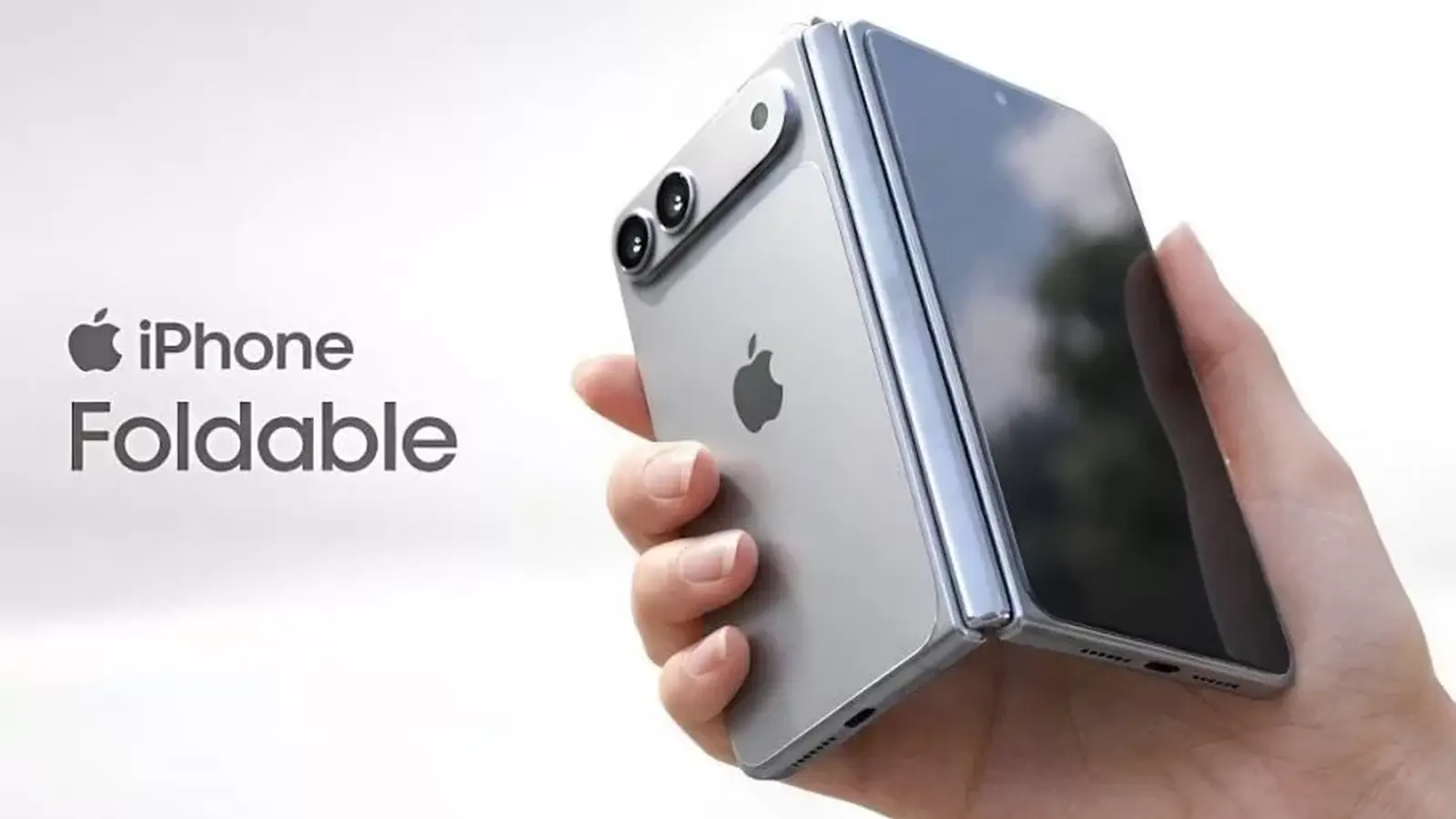
Imagine pulling a phone from your pocket that folds like a wallet and carries a price tag rivaling a mid-range laptop. Sounds extreme. Yet that’s exactly the scenario analysts are sketching for Apple’s first foldable iPhone.
Research firm IDC tells a blunt story: the company expects the baseline foldable to land around $2,500, with top-tier storage options pushing the bill toward $3,000. MacRumors first relayed the projections, and industry watchers say the math isn’t fanciful—component costs and a global memory shortage have squeezed suppliers and pushed prices up across the board.
Nabila Papal, IDC’s head of data and analytics, points to recent price jumps for Macs and iPads as a bellwether. What began as modest bumps looks like it’s turning into steeper increases. Apple once nibbled at price rises—$50 here, $100 there. Now? We’re talking about possible $200 jumps for Pro models. Short sentences. Sharp moves.

So why so high? Two big reasons. First, memory: premium foldables will likely ship with 12GB of RAM, and higher-capacity flash storage commands a premium amid constrained supply. Second, product strategy: a very expensive niche model gives Apple room to absorb skyrocketing component costs without forcing every iPhone buyer to pay more.
IDC’s modeling also forecasts price roll-ups for the broader iPhone 18 family. Expect the Pro lineup to feel the pinch more than the entry-level handsets. Early estimates put the iPhone 18 Pro starting near $1,249–$1,299, while the Pro Max could sit around $1,349–$1,399. Those are starting prices, not showroom totals—add storage and the sticker climbs fast.
There’s a practical angle here, too. High introductory pricing can serve as a testing ground: it screens for early adopters willing to pay for novelty and helps Apple recoup R&D and supply premiums before scaling production. If demand softens, Apple can adjust. If it holds, the rest of the lineup may avoid dramatic hikes.
Will consumers bite? Some will. Enthusiasts and professionals often pay for the first wave of innovation. Others will wait. And that waiting may determine whether the foldable iPhone becomes a mainstream form factor or a premium curiosity.
Either way, Apple’s pricing choices this year will tell us a lot about how the company balances cutting-edge hardware, component inflation, and market appetite.


Leave a Comment
Comments
No comments yet. Be the first.