
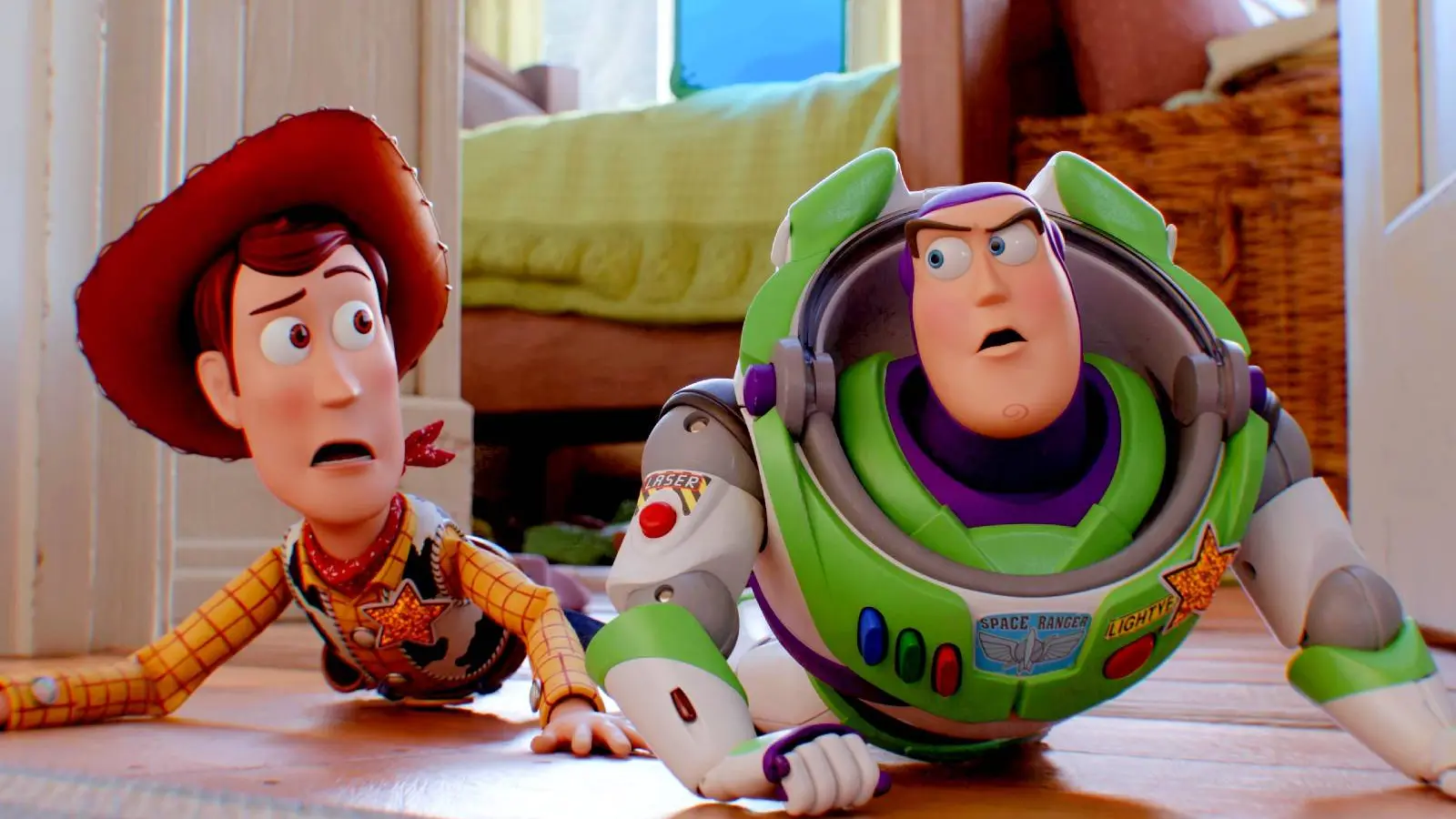
Something strange and delightful is happening in theaters: Toy Story 5 has not just opened big — it’s rewriting the rulebook for sequels. The latest Pixar entry arrived with a roar, pulling in $159.7 million during its opening weekend in North America and turning what looked like a safe franchise bet into a genuine summer event.
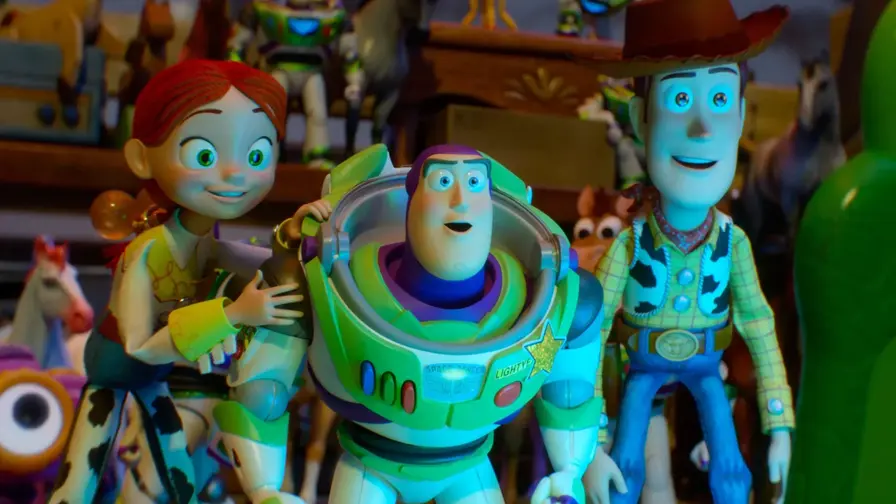
Fans find their old favorites back in the spotlight. Woody (Tom Hanks), Jessie (Joan Cusack) and Buzz Lightyear (Tim Allen) return, only this time the toys are battling for the attention of their new owner, Bonnie (Scarlett Speres), against a shiny tablet named Lily, voiced by Greta Lee. Familiar faces. Fresh stakes. And a story that keeps people coming back.
Numbers tell the rest of the tale. Early projections put Toy Story 5 at roughly $72.5 million for its second weekend, a decline of around 54 percent — modest by modern blockbuster standards. That drop still leaves it anchoring the box office and outpacing DC’s new Supergirl. If the trend holds, the film will top $300 million domestic in just 10 days, the fastest any Toy Story movie has ever hit that milestone. Toy Story 3 and Toy Story 4 both needed a third week to get there.

Put bluntly: Toy Story 5 is moving up the ranks. Without adjusting for inflation, it has already passed the domestic total of Toy Story 2 ($245.8M) and eclipsed the full worldwide grosses of the original Toy Story ($237.4M) and Lightyear ($226.4M). That surge now places it among Pixar’s top performers — it has climbed to eighth on the studio’s list of highest-grossing films in the U.S., leapfrogging the domestic runs of classics like Up, The Incredibles and Monsters, Inc.
Why is this surge meaningful? Budget. At an estimated $250 million, Toy Story 5 is the most expensive picture in the franchise’s history. Big budgets mean higher stakes. Studios usually need roughly two-and-a-half times production costs at the box office to break even, so Toy Story 5 would be expected to clear about $625 million worldwide just to get into the black. Given current momentum, that ceiling looks increasingly attainable.
Critics have chimed in too. A 93 percent score on Rotten Tomatoes signals broad respect, and audiences are voting with their ticket purchases. When critics and crowds agree, the tail for theatrical grosses stretches longer. Could Toy Story 5 join the billion-dollar club? It’s plausible. Matching or topping Toy Story 4’s $1.074 billion global haul would put it in rarified company among animated pictures; surpassing Inside Out 2’s record-smashing $1.699 billion feels unlikely, but nothing in this run should be dismissed out of hand.
This is also a cultural win. A fifth installment that feels vital rather than obligatory is rare. Pixar managed to balance nostalgia with new emotional terrain, and audiences are rewarding the gamble. The screenwriters gave returning characters room to breathe while introducing tech-age tension that resonates with parents and kids alike.
Whether Toy Story 5 ultimately sues for box office supremacy or simply cements the franchise’s long tail, one thing is clear: the toys are back, and they’ve come armed with more than memories — they’ve got momentum. Want to keep up with its climb? Check weekend tallies and critic reactions; the next chapter in this box office story promises more surprises.

Leave a Comment
Comments
No comments yet. Be the first.