
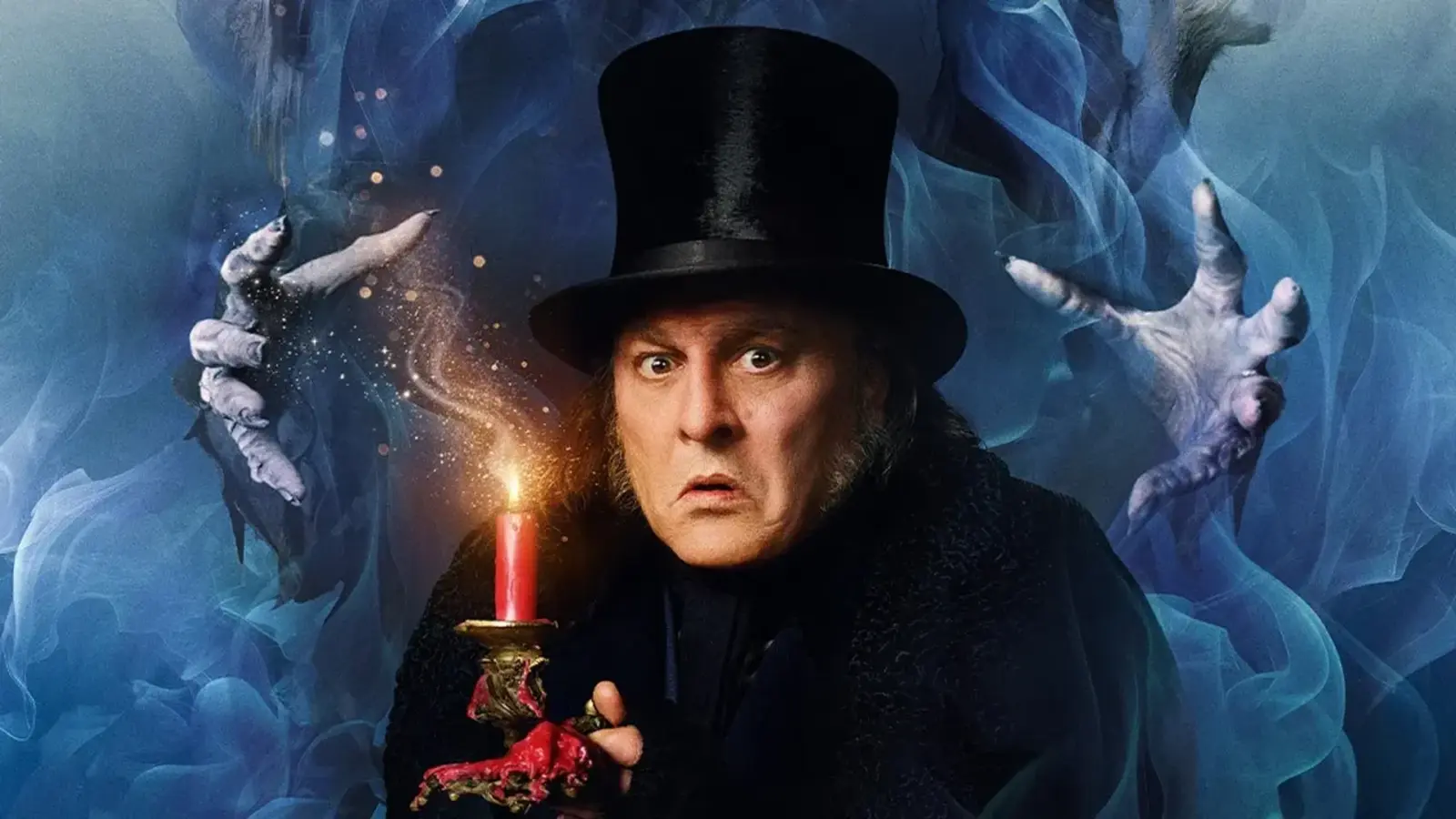
Spin a dark ribbon around a familiar carol and you get Ebenezer — a 2026 reimagining of Charles Dickens’ A Christmas Carol that wears its gothic makeup proudly and refuses to sing the tunes you remember. It’s loud. It’s ornate. And for many reviewers, Johnny Depp’s performance is both the film’s magnet and its fault line.
Director Ti West, best known for his uncanny ability to blend dread with retro style, takes Dickens’ moral fable in a shadowier direction. Think less cozy hearth, more flickering gaslight and fogged windows. The screenplay, adapted by Nathaniel Halpern, trims Dickens’ verbose passages and rethreads the narrative into something leaner for the screen — sometimes to good effect, sometimes not. The result is a version of Scrooge that moves with cinematic certainty but resists being pigeonholed as another family-friendly holiday staple.
The cast is star-studded: Rupert Grint, Andrea Riseborough, Sam Claflin, Daisy Ridley, Tramel Tilman and Sir Ian McKellen join Depp, each adding texture to West’s theatrical palette. Production design and the film’s spectral imagery are repeatedly singled out by critics as striking: the ghosts are inventive, the sets feel lovingly curated, and the overall atmosphere nails a decadent, Gothic look that will please design-minded viewers.
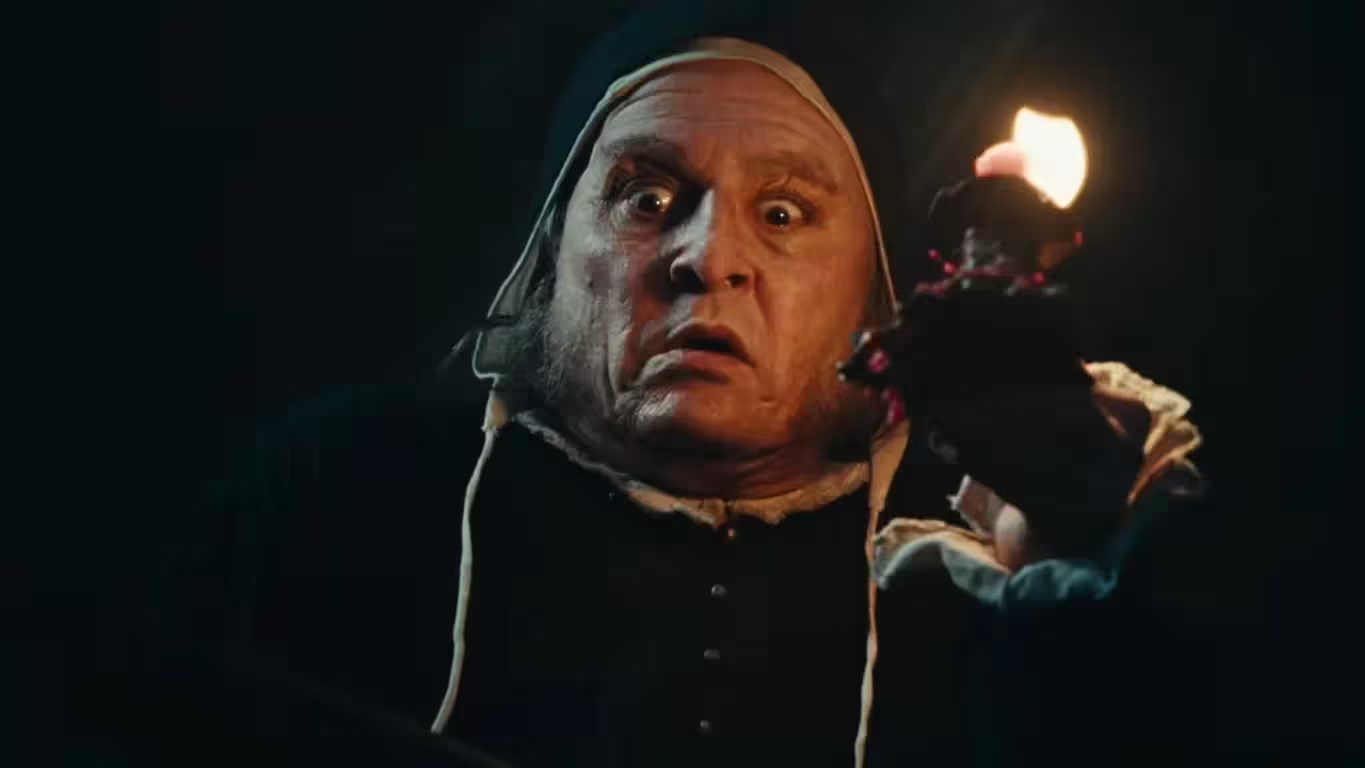
But performance is the thorn. Many critics argue Depp’s interpretation skews operatic — a clangy, showy Scrooge who rarely lets the story breathe. Does that render the character unreadable? For some, yes. They say the heightened mannerisms keep the audience at arm’s length, blocking the emotional arc that makes Dickens’ tale endure. For others, Depp’s bravado is a feature, not a bug — a chance for the actor to reclaim center stage with a memorable, if polarizing, turn.
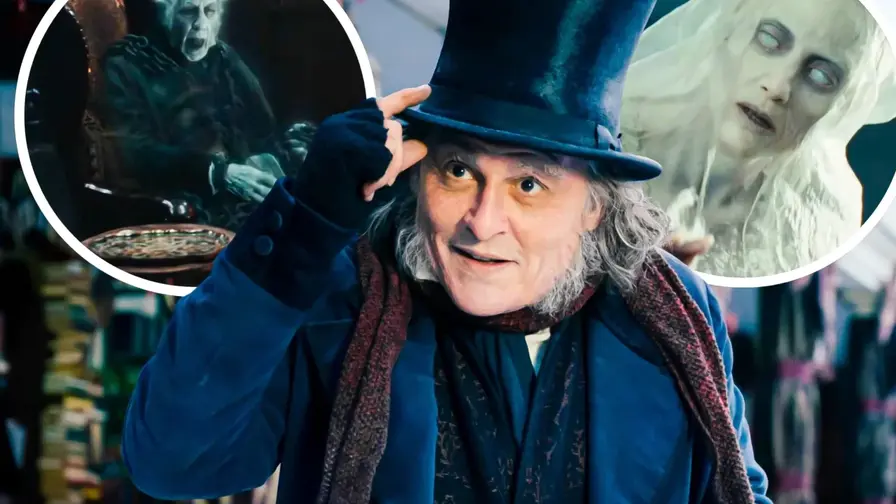
On the numbers front, responses are mixed. Rotten Tomatoes aggregates 82 critic reviews for a 54% score. Metacritic, collecting 32 reviews, sits lower at 46 out of 100. Those averages hide sharper opinions beneath: The Telegraph praises Halpern’s surgical cuts to the original text and awards a high score, noting the adaptation’s spectral freshness. The Daily Beast sees potential in Depp’s comeback energy. RogerEbert.com acknowledges a steady rhythm and honest attempts at emotional engagement. Meanwhile, IndieWire and The New York Times find the film’s imagination wanting and criticize Depp’s flamboyance for undermining the story’s heart.
What emerges from these reviews is not a sneering consensus but a split: reviewers laud the film’s aesthetic ambitions and some narrative reinventions, yet many feel the central performance and tonal choices prevent the film from fully delivering Dickens’ emotional payoff. Is it a bold riff on a classic or another needless retelling? Answers depend on whether you prize stylistic bravura over quiet, earned redemption.
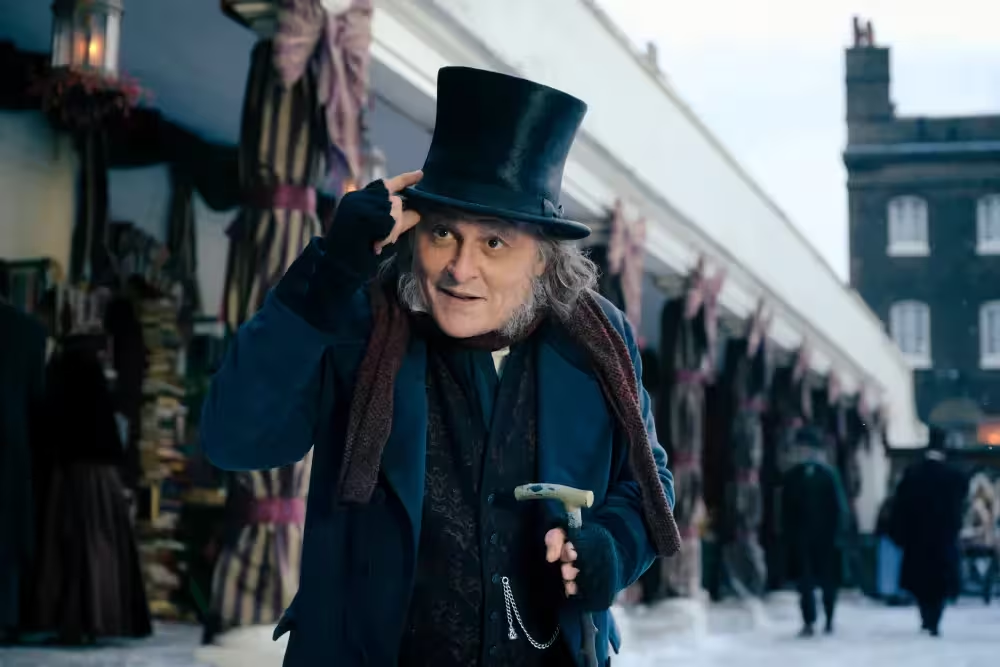
There are flashes of genuine vulnerability in the closing scenes, moments where the gloom lifts and the human elements come forward. Critics who favor the film point to those instants as proof that West and Depp can find common ground — that under the theatrics, there is an ember of feeling. Critics on the other side argue those embers are too often smothered by showmanship.
One takeaway matters beyond the thumbs-up or thumbs-down: Ebenezer is not trying to be a safe holiday movie. It’s a stylistic experiment wrapped in a canonical story, a dark holiday curio that will divide living-room viewers and cinephiles alike. If you crave a gothic seasonal diversion with striking production design and a headline-grabbing central turn, it’s worth a watch. If you want the tender, familiar reformation arc executed with subtlety, you may leave the theater wishing for a quieter Scrooge.
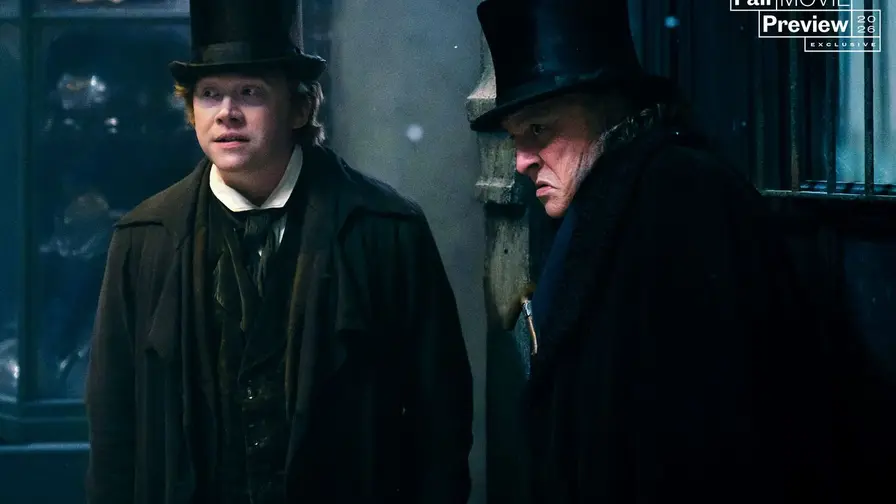
Ebenezer is a reminder that even the most retold stories can still spark debate — sometimes that’s the point.

Leave a Comment
Comments (1)
wow, this sounds wild - gothic Scrooge? I'm intriged but Depp's 'operatic' thing could kill it. still gonna watch, curious.