
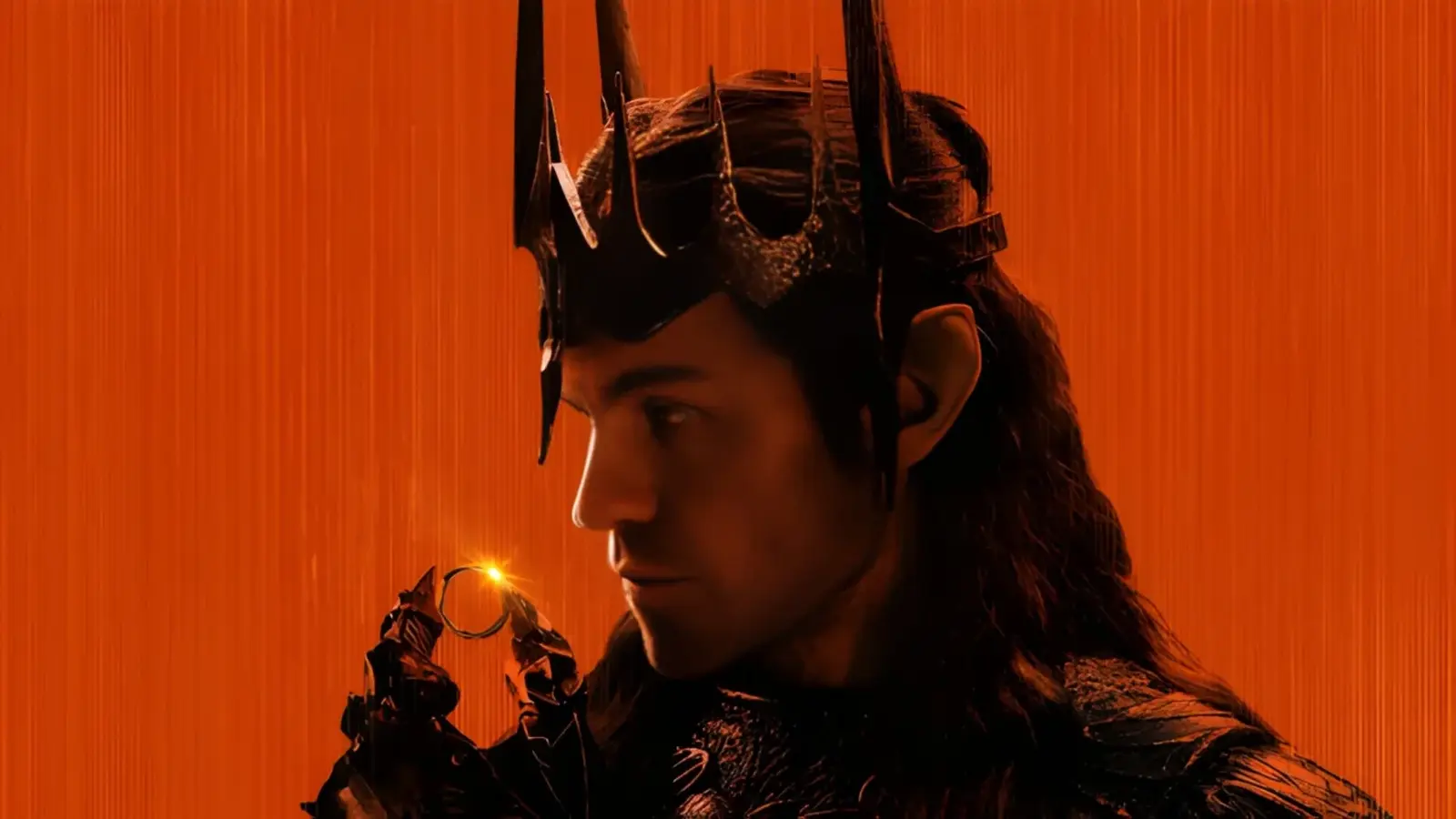
Middle-earth feels larger and meaner this season. The third chapter of The Lord of the Rings: The Rings of Power drops viewers back into the Second Age—five years after season two—just as the shadow of Sauron grows sharper and the race to forge the One Ring gathers heat. Stakes have been raised. Tensions snap. The showrunners, J.D. Payne and Patrick McKay, and Amazon MGM alongside New Line Cinema push the war forward, carving space for intimate moments amid sweeping battlelines.
Critics have mostly welcomed the shift. Aggregators show a healthy, if not unanimous, reception: Rotten Tomatoes reports 33 critic reviews and a 79% score, while Metacritic averages 70 out of 100 from 13 reviews. Those numbers hint at a season that mostly lands—and occasionally stumbles.
Decider hands out one of the loftier thumbs-up scores (90/100), praising the season’s confidence. The verdict: the series finally stops trying to please everyone and leans into its fantasy impulses. Less course-correction. More conviction. That clarity translates as pure, old-fashioned fantasy spectacle in many of the episodes critics saw.
The Daily Beast (88/100) celebrated how big-picture urgency and small, human beats live comfortably side by side. What could have been a parade of set-pieces instead feels anchored by quieter, revealing scenes—reminders that epic scale only matters if characters carry it.
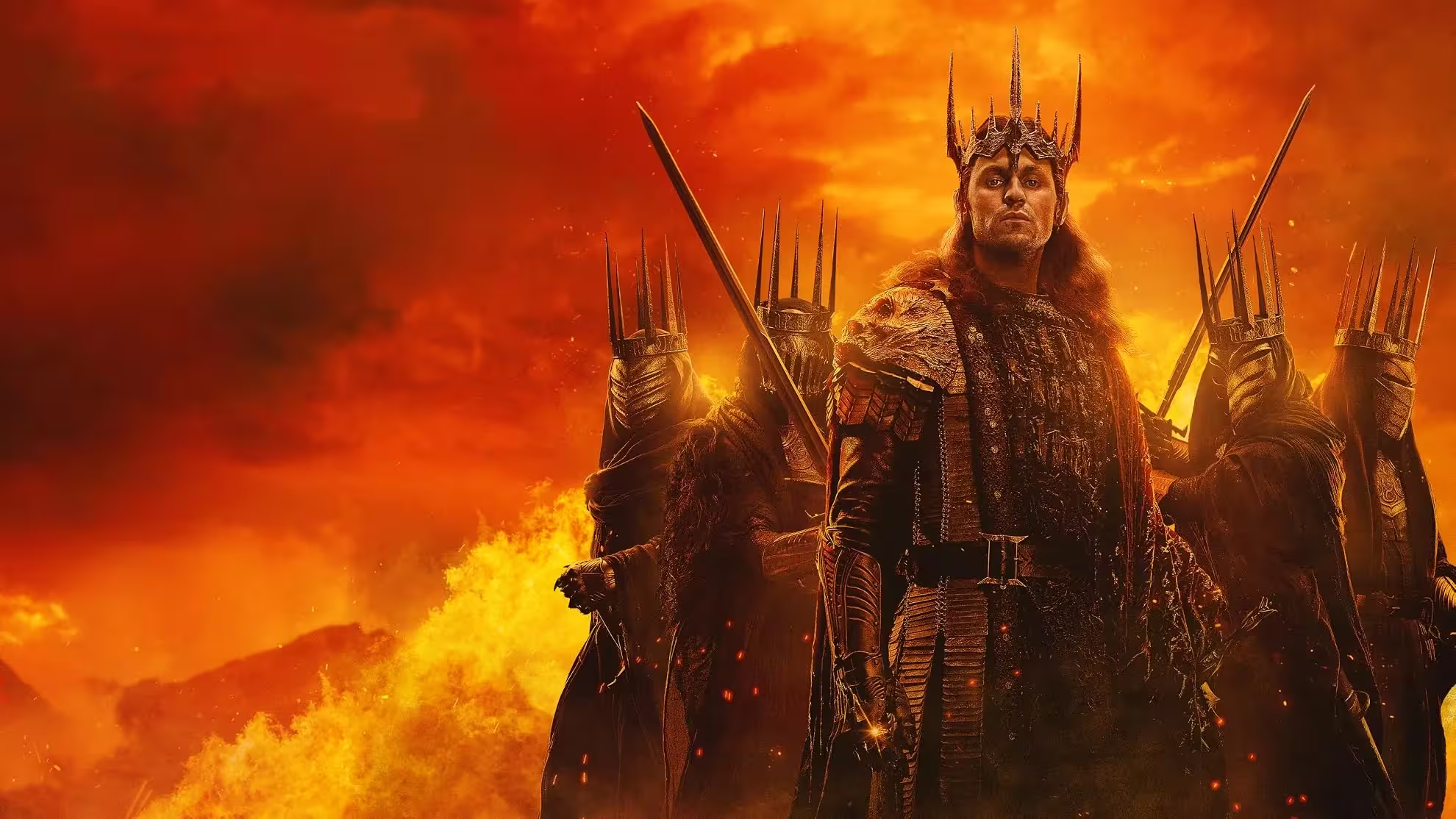
Several outlets sit squarely in the ‘solid’ range. Collider, Empire and Screen Rant each land around 80/100, noting similar strengths: a cleaner narrative focus, new compelling faces, and production values that still impress. Critics point to a welcome redirection toward Sauron’s rising ambition and the ripple effect that power-hunger has on everyone in Middle-earth.
TheWrap, also in the 80s, calls the season ambitious and intoxicating—if occasionally messy. There are sequences that dazzle and others that feel unruly, but the ambition is undeniable: this is the most vivid Rings of Power has felt to date.
Not every review is glowing. The Guardian (60/100) acknowledges the uptick in action and spectacle but warns those not already smitten by Tolkien’s mythos may find the payoff too late or too little. IndieWire (50/100) is more blunt, detecting a cautiousness in storytelling—a tendency to explain rather than surprise—that saps momentum. That sense of hesitation crops up across middling takes, where critics sense the creators holding back the most daring choices.
Some reviews edge into outright frustration. Outlets such as Slashfilm and RogerEbert.com (each around 50/100) describe a season marked by dazzling highs and dispiriting lows: moments of real brilliance undercut by uneven plotting and missed emotional payoffs. Slate, harsher at 40/100, points to thin character work and a lack of internal conflict or levity that might humanize this vast, often grim landscape.
Read together, the criticism sketches a show in transition—no longer content to merely set the stage but still working out the best way to tell its sprawling story. For fans, season three offers the payoff of seeing the long shadow of the One Ring come into clearer focus. For skeptics, it may not yet be persuasive enough to convert them.
Either way, the debate is the point: a blockbuster fantasy that risks and occasionally misfires is more interesting than one that never takes chances. Will this chapter change the minds of doubters? Tune in and find out, because in Middle-earth, choices echo long after the credits roll.


Leave a Comment
Comments
No comments yet. Be the first.