

It began with a single, awkward table read — the kind of small, human moment that can change the course of a film. Quentin Tarantino writes in his new making-of book that two high-profile actresses, Mélanie Laurent and Isabelle Huppert, were once out of Inglourious Basterds before cameras rolled.
Laurent's exit was dramatic but short-lived. According to Tarantino, her initial audition reading left him disappointed. Harsh? Perhaps. Final? Not yet. A few days later she called. She was ill during that first read, she said, and asked for another chance. She even offered to fly to Germany at her own expense to rehearse. Commitment. That mattered to Tarantino. He gave her three days of focused rehearsal. She returned, steadier and fiercer, and won back the role of Shosanna Dreyfus.
The result is now part of cinema lore: Laurent’s performance became one of the film’s emotional anchors. Short sentences work. Long ones do too. Shosanna’s arc — quietly vengeful, meticulously staged — would have been different without that second chance.
Isabelle Huppert’s story, by contrast, reads like a cautionary tale about logistics and timing. Tarantino says contract issues and Huppert’s absence from the key table read convinced him to move on. Maggie Cheung was cast as Madame Adjani in the interim. But even that role didn’t survive the final edit; Tarantino later cut all of Madame Adjani’s scenes, feeling they added unnecessary exposition to Shosanna’s cinema sequence.
What do these anecdotes reveal about Tarantino’s casting method? He isn’t looking for star names alone. He’s hunting for actors who fit the peculiar gravity of the world he’s building — and who show up when the work calls. Willingness, chemistry, timing. Those three things often matter more than pedigree.
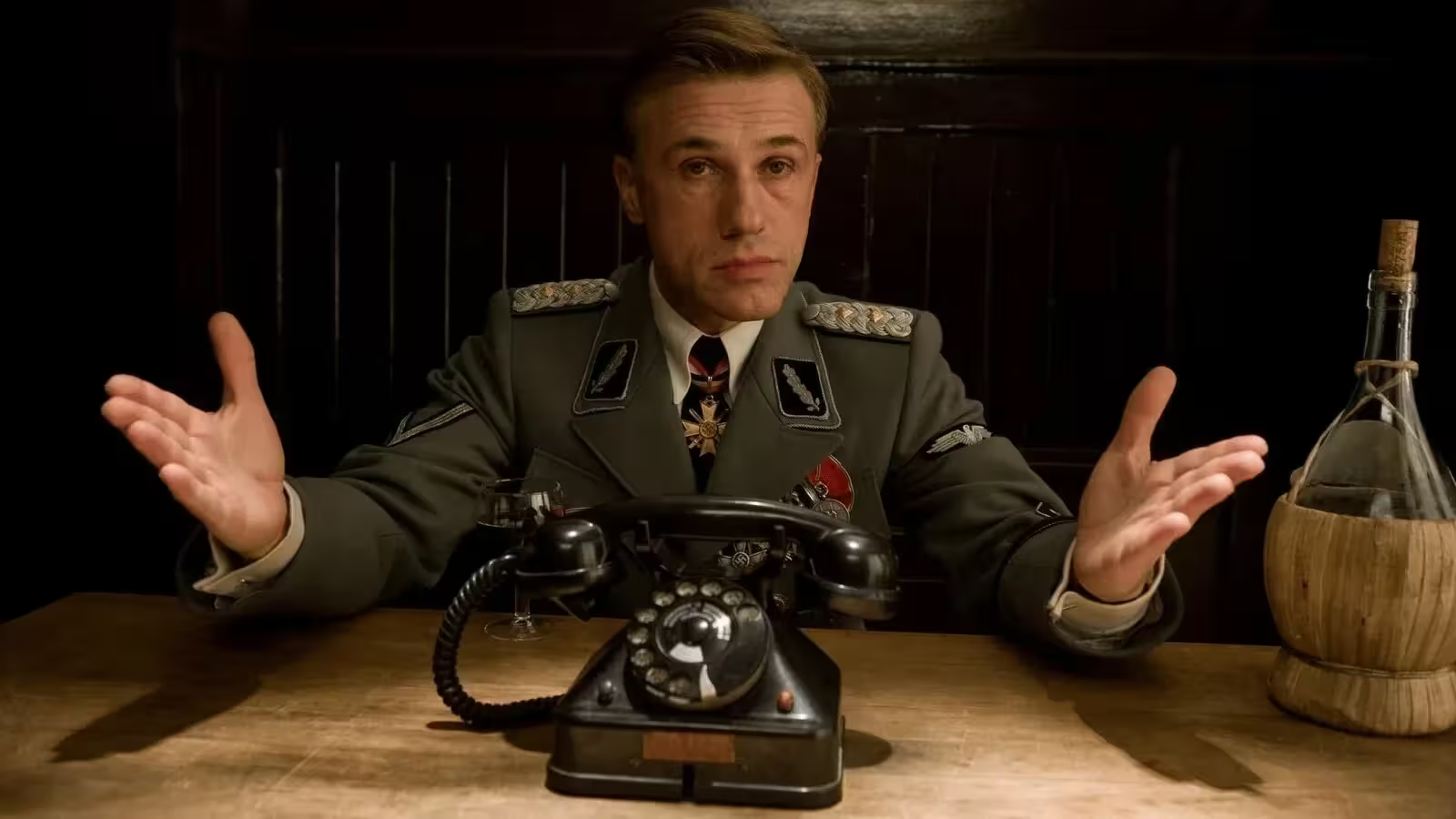
Inglourious Basterds opened in 2009 and became both a critical and commercial hit, grossing over $321 million worldwide. Christoph Waltz’s chilling portrayal of Hans Landa earned him an Oscar for Best Supporting Actor, and the film’s behind-the-scenes decisions — like these casting swings — now get a fuller airing in the new book, The Making of Quentin Tarantino’s Inglourious Basterds.
Actors change. Scenes are cut. And sometimes a rushed table read nearly erases a performance that later feels essential. The book is out now, and for anyone who loves film-making’s small frictions and big payoffs, it’s an instructive read.


Leave a Comment
Comments
No comments yet. Be the first.