
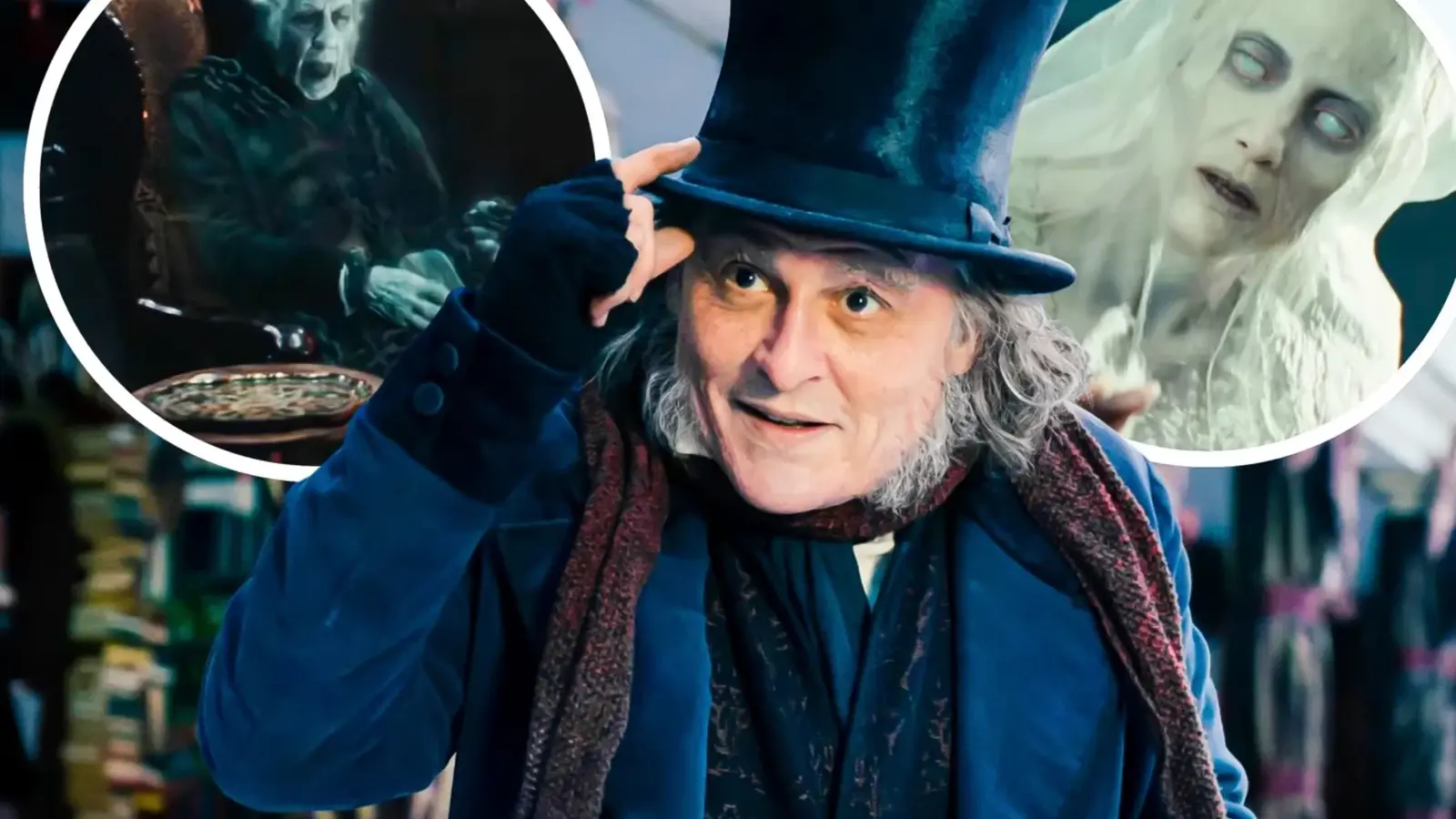
Not another Christmas Carol—unless it looks like this. Ebenezer arrives as a brooding, gothic riff on Dickens, and from the first frame it makes clear it wants to be something other than seasonal wallpaper.
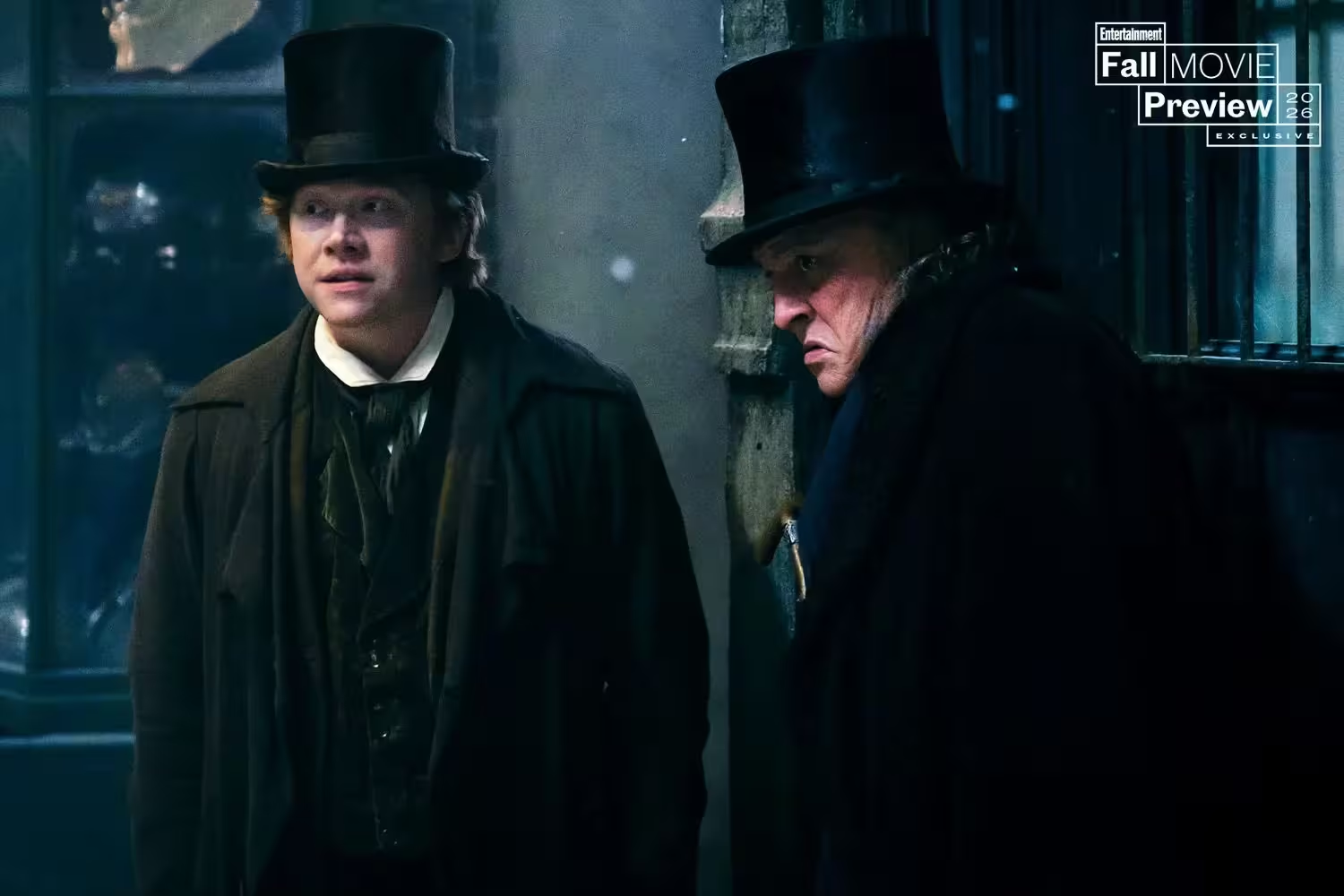
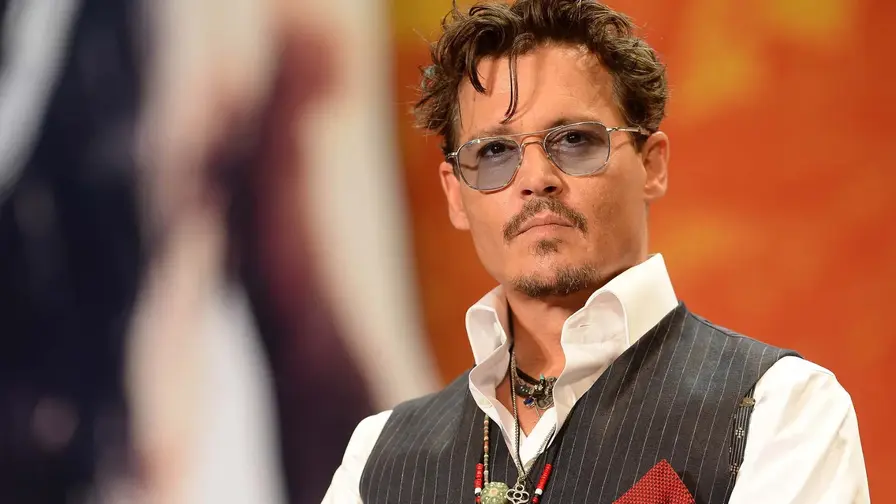
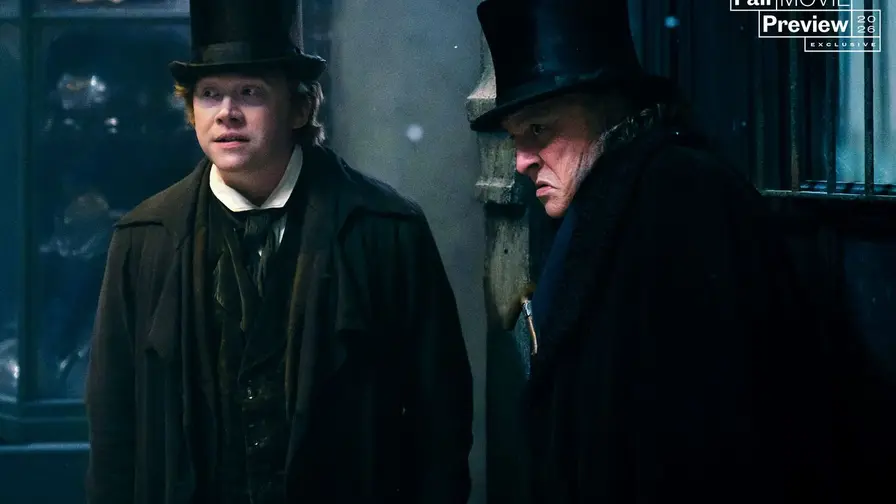
Ti West takes Charles Dickens’s familiar morality play and leans into the shadows. Johnny Depp is at the center, playing Ebenezer Scrooge with flourishes that flirt with caricature and land, more often than not, in a rich, uneasy humanity. The cast around him is quietly stellar: Rupert Grint as Bob Cratchit, Andrea Carnovali as the Ghost of Christmas Past, Tramell Tillman as the Ghost of Christmas Present, Robert Strange as the Ghost of Christmas Future, Sam Claflin as Fred, Daisy Ridley as Clara, and Ian McKellen as the weary Jacob Marley.
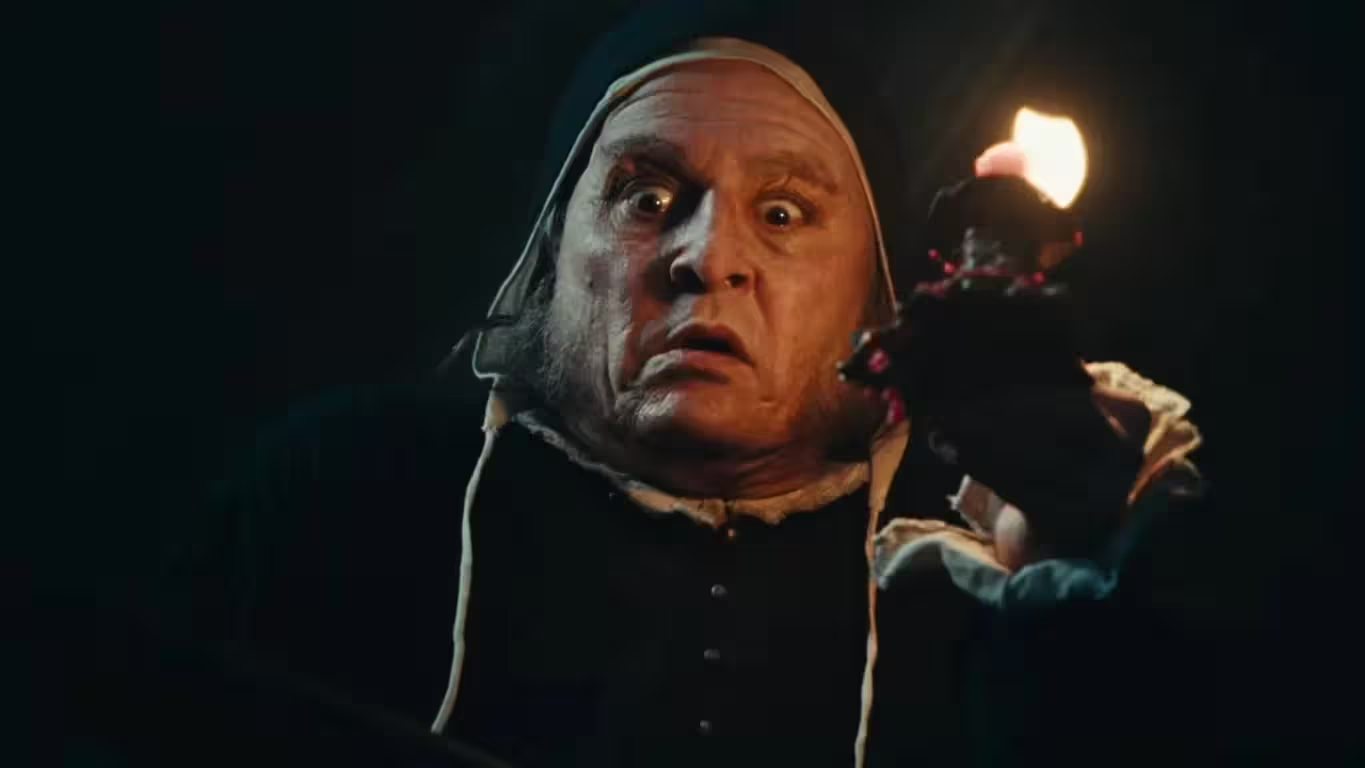
First critics’ screenings have produced a chorus of mixed but animated reactions. JoBlo’s Jamie O admitted initial skepticism—who wasn’t?—but left impressed. He called the film darker than most adaptations and surprisingly sincere, and singled out Depp’s layered turn as the film’s emotional engine. Short sentences. Sharp shifts. You can see Scrooge change as each spirit arrives.
Andrea Carnovali, who also arrived wary of yet another retelling, found herself unexpectedly moved. She praised the way West leans into the story’s frightful aspects without sacrificing fidelity to Dickens, and admitted the film’s visuals reduced her to tears by the end. That mixture of terror and tenderness is a tricky tightrope, but when it works, it lands hard.
Phil Roberts highlighted how West blends period texture with raw emotion and despair to produce an adaptation that feels bold rather than merely reverential. For him, the film’s final act carries more emotional weight than many recent versions, giving familiar beats a fresh, sometimes devastating charge.
Not everyone was seduced. Mary-Anne Johansson called the project entirely unnecessary. Another critic, signed simply as Lewis, was scathing: he praised the production design and score but found nearly everything else chaotic and wrongheaded. "Ti, I love you," he wrote, "but this is an absolute failure—avoid it at all costs." Ouch. Strong language. Strong opinion.
Other commentators struck a middle ground. DawsOnScreen admired the gothic visual identity—arguing that West proves he can handle larger-scale storytelling—while also noting the film rarely says anything new about a tale we already know intimately. Ren Gikens, who confessed a lifelong love for The Christmas Carol, praised the production values and sound design but felt the movie ultimately offers an exaggerated Scrooge and little beyond Depp’s theatricality.
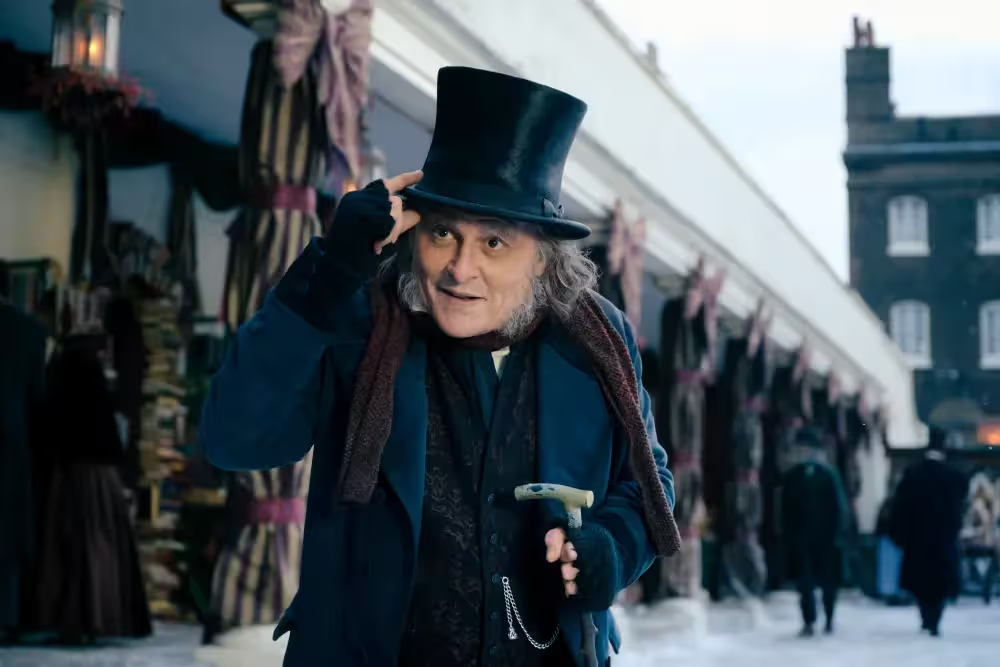
Johnny Depp's performance is widely seen as the film's main asset.
That consensus—Depp as the lodestar and the mise-en-scène as a second strength—matters because it frames how audiences may receive Ebenezer. Is this a bold auteurist reimagining, or a high-profile vehicle to recenter Depp in mainstream cinema? Critics are split. Some see a sincere, stylistic rebirth; others see style over substance.
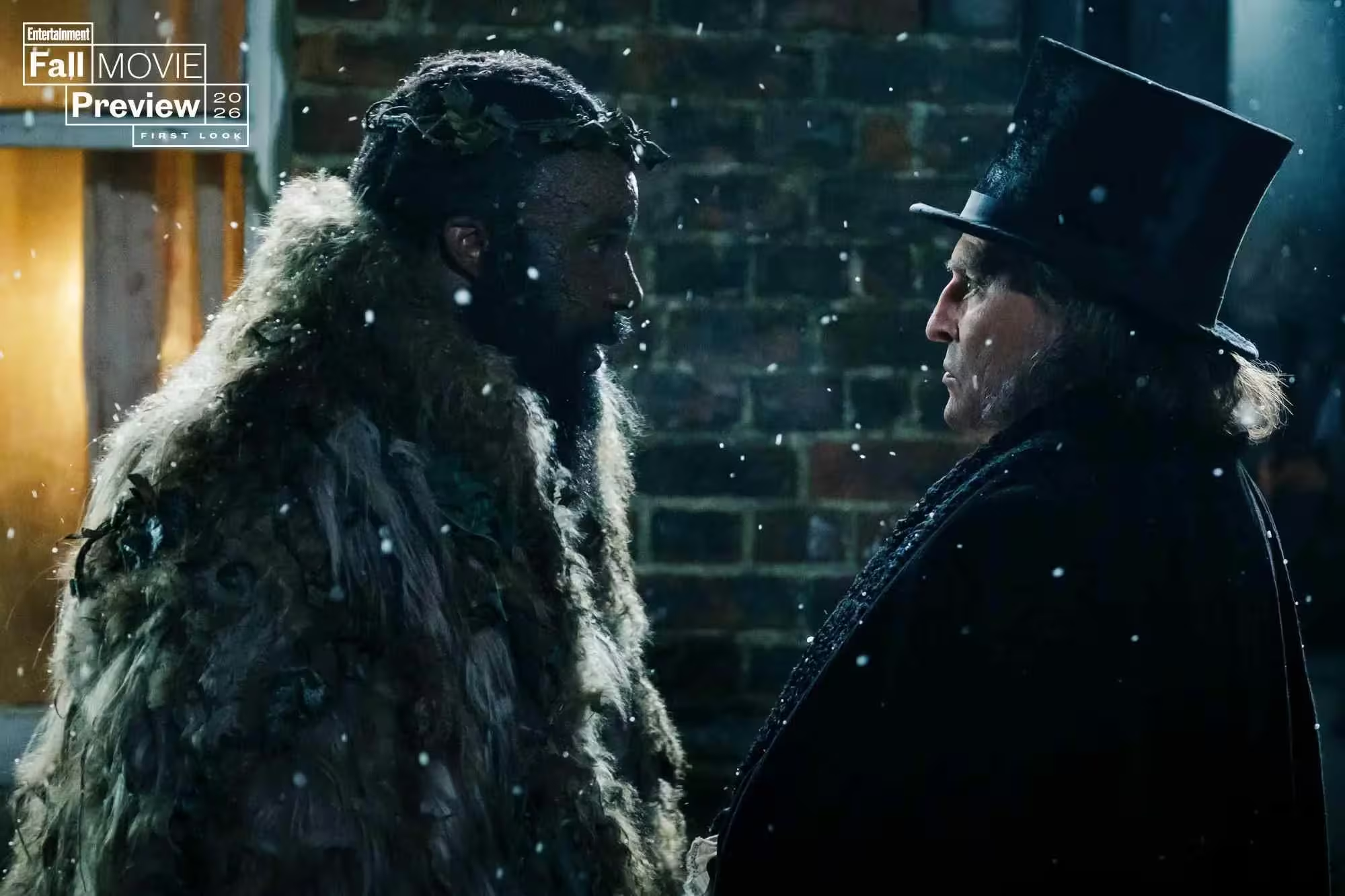
Context helps. Ti West’s pedigree in contemporary horror—his work on the X trilogy and TV episodes across prestige genre shows—makes the film’s macabre lean unsurprising. The screenplay comes from Nathaniel Halpern, whose previous TV work includes episodes of Legion and collaborations with West on series like Tales from the Loop. And behind the scenes, the scale here is larger: West’s X trilogy cost roughly $12.2 million in total, while Ebenezer’s production rose to about $38 million, signaling a step up in ambition and resources.
For Johnny Depp this outing carries extra weight. Critics’ responses and box-office returns will be read as a measure of his standing in today’s market. He returns next year in Day Drinker, a supernatural revenge thriller directed by Marc Webb and co-starring Madeline Klein and Penélope Cruz; how audiences respond to Ebenezer could ripple into interest for those future projects.
So what should viewers expect? Visual bravura. A gothic tilt. A central performance that divides opinion but rarely bores. And a film that will spark arguments rather than unanimous praise—exactly the sort of thing that lingers after the credits roll. Ebenezer opens in theaters on November 13, 2026. Will Christmas feel a little darker this year?

Leave a Comment
Comments
No comments yet. Be the first.