
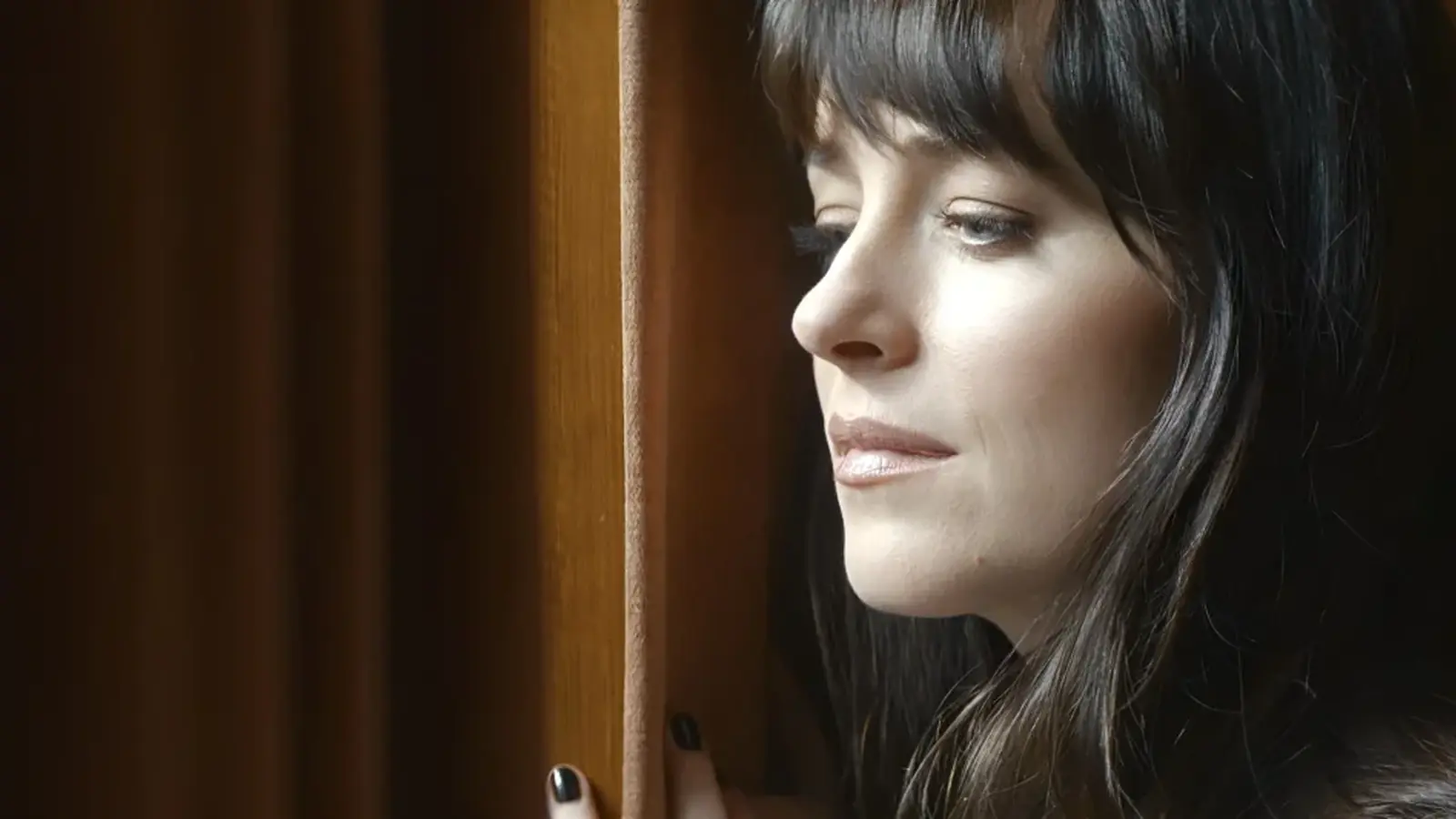
You step into a pristine house and feel a chill. Everything looks like success, except the air is thin. Verity opens with that familiar cinematic trick: domestic calm as a mask. The Crawford home, all glass and hush, promises comfort. It delivers suspicion instead.
The plot is simple on paper. Lowen Ashleigh, a mid-list writer, is hired to finish the unfinished novels of Verity Crawford, a celebrated author who can no longer write after an accident. Lowen moves into Verity's house to study the notes. There she meets Jeremy Crawford, Verity's husband, and discovers a hidden manuscript—pages that read like a private confession, violent and intimate. Which account do you trust? The typed, composed life everyone shows. Or the raw handwriting of someone who may be confessing or lying?
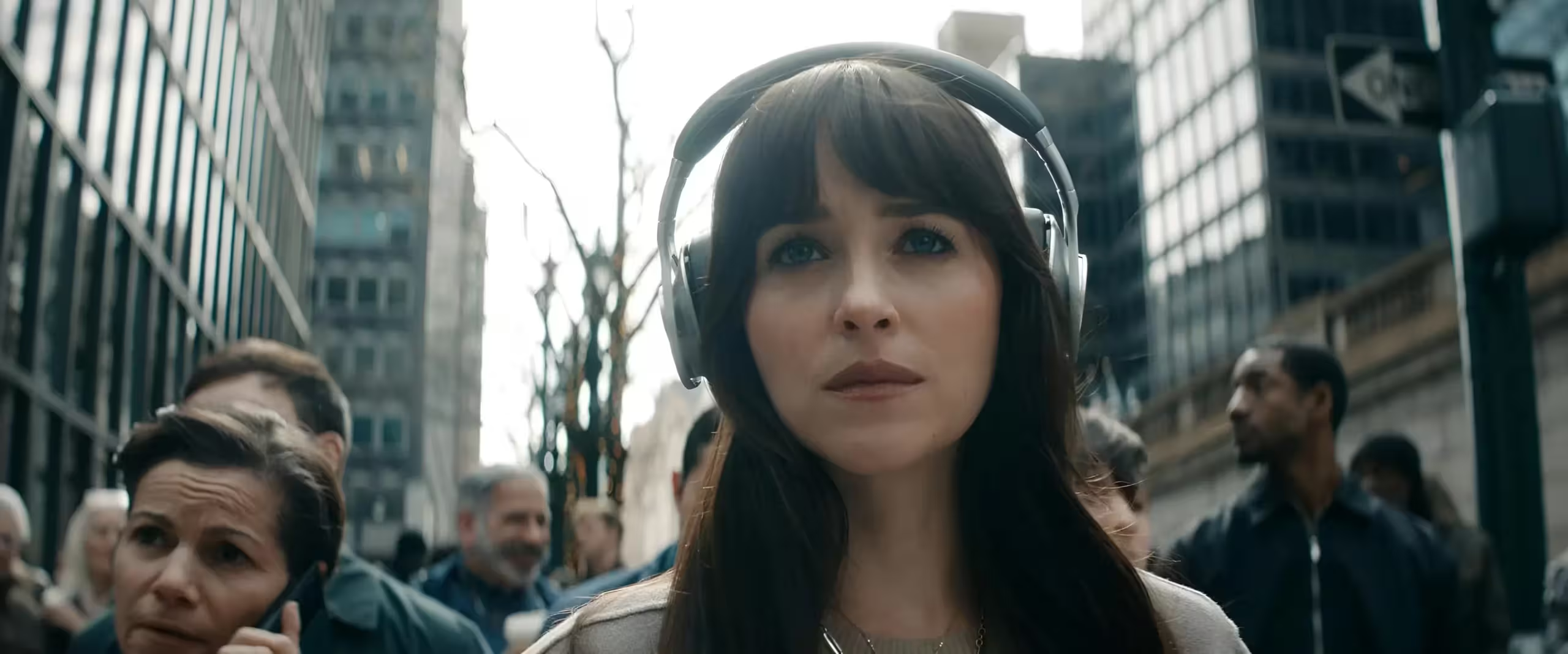
At the heart of Verity sits the unreliable narrator—an old trick, but a potent one when done right. The film builds two versions of the same life: the one offered by Verity's notes, jagged and accusatory, and the one suggested by Jeremy's behavior and the household's polished veneer. The tension between those narratives could fuel a brilliant psychological thriller. Sometimes it does. Sometimes it doesn’t.
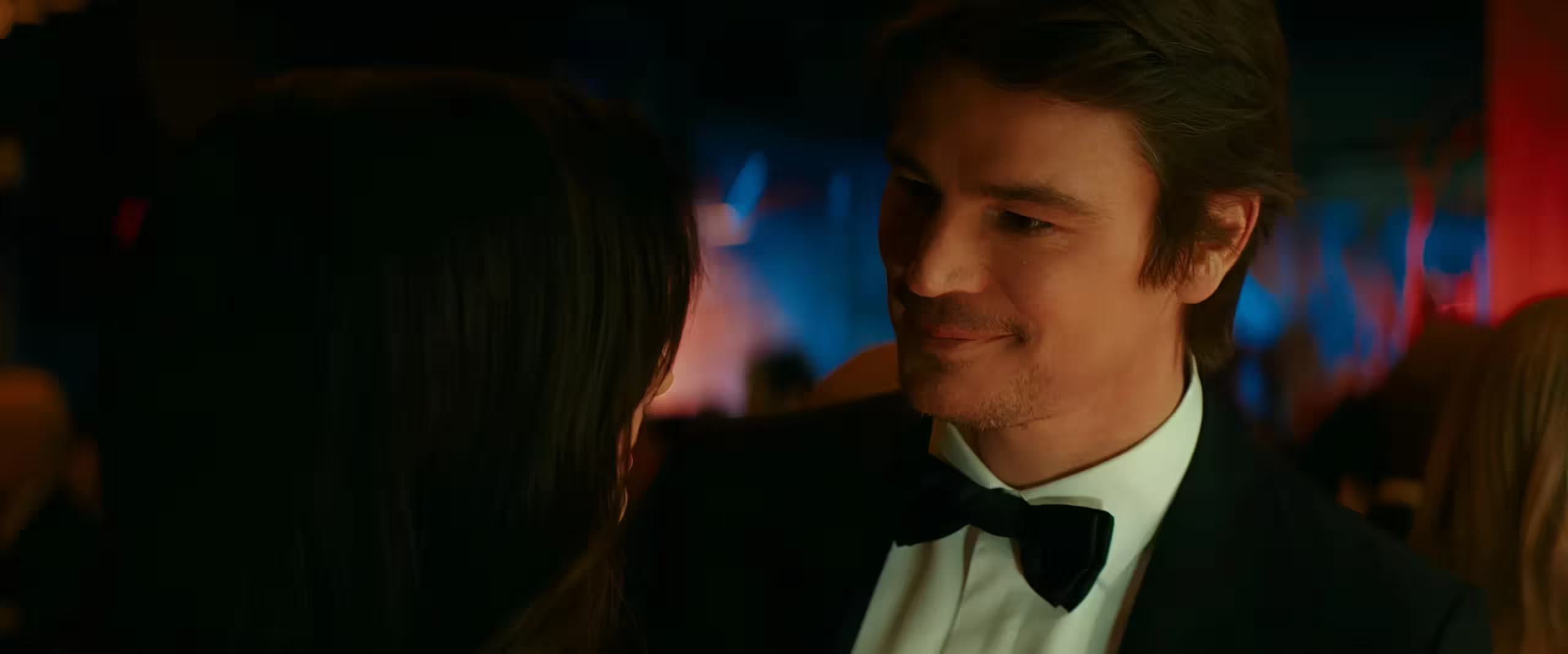
Anne Hathaway, Dakota Johnson, and Josh Hartnett form a triangle of unease. Hathaway inhabits Verity with a quiet menace that lingers long after a scene ends. Johnson’s Lowen is controlled, cool, a character whose composure the camera measures for fractures. Hartnett’s Jeremy is a man folded inward; you never quite know which layer is true. The actors create sparks. They rarely combust into the full-blown inferno the script hints at.
The movie's strongest tool is atmosphere. The modern architecture—clean lines, isolated corridors, rooms that echo—becomes a character. The house’s clinical beauty hides emotional rot. The score leans on classic thriller motifs: brooding strings, a heartbeat rhythm under dialogue. Those elements summon old suspense cinema and do a lot of heavy lifting when the screenplay lets them.
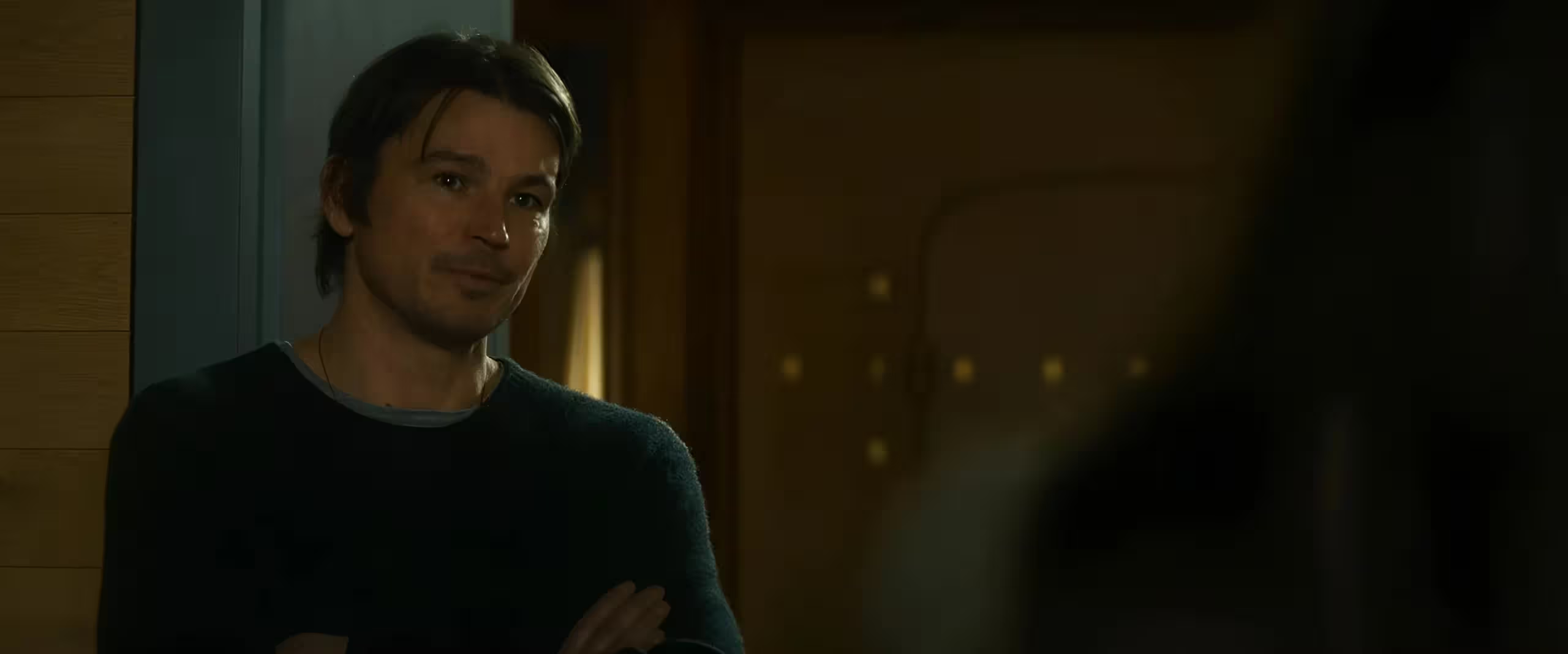
But here’s the rub: Verity often mistakes stylish surprise for structural cunning. Instead of letting ambiguity grow naturally from character choices and subtext, the screenplay tosses twists at the audience like puzzle pieces without a guiding picture. A good twist should cast earlier scenes in a new light, revealing a hidden pattern. In this film, several turns register more as flashes—startling in the moment, less satisfying when you step back and look for the logic that should bind them.

Some plot beats feel underbuilt. Reactions happen without the necessary groundwork. Characters make decisions that read awkwardly because the script hasn’t sufficiently earned them. That gap shifts the viewer’s energy from curiosity to skepticism. You begin asking whether the narrative’s internal rules are trustworthy rather than wondering what the next revelation will mean.
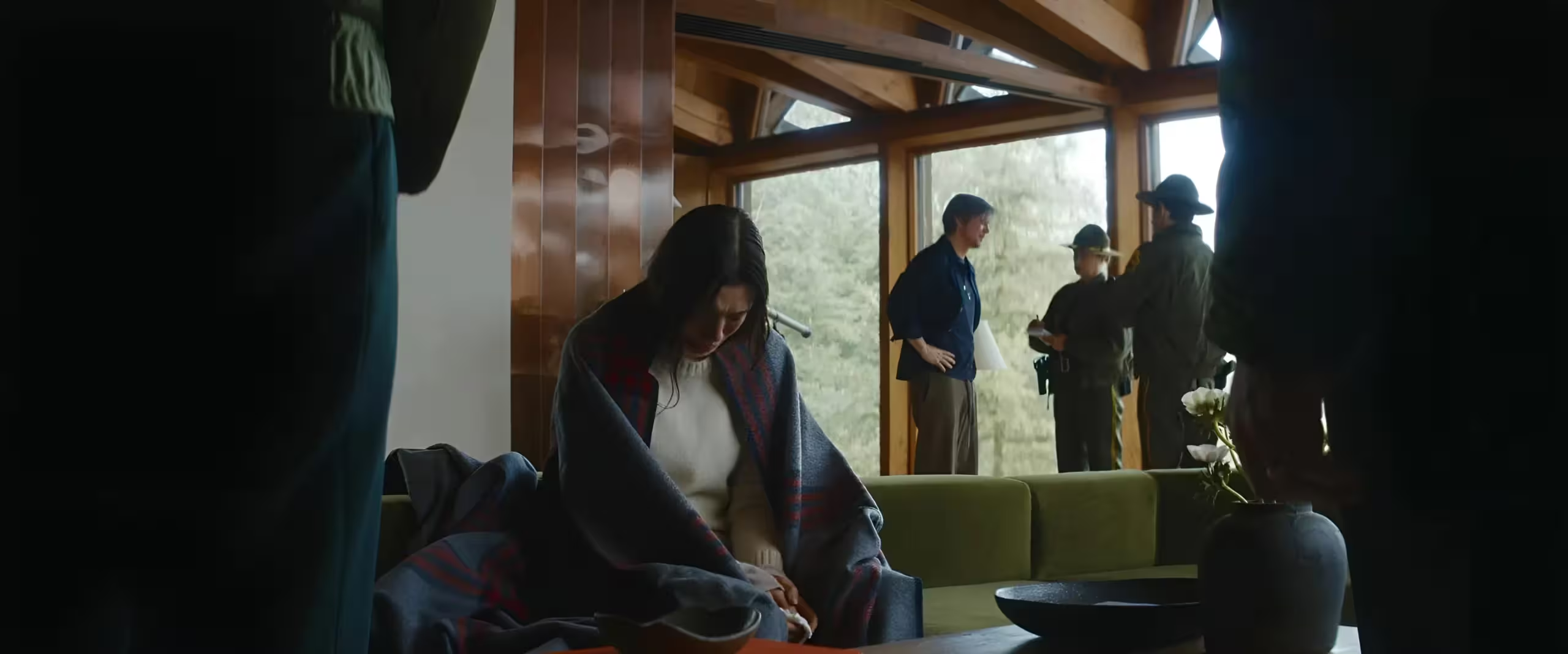
The pieces for a layered, unsettling thriller are all here—but the glue that would make them true to each other is missing.
The film’s ambition is commendable. It explores themes worth returning to: the slipperiness of memory, the surfaces we maintain, and how language—the written word—can be both weapon and refuge. The manuscript Lowen finds functions as a mirror and a trap. The audience moves through it like someone reading a diary under a tilted lamp: drawn, horrified, unable to stop.
Yet ambition alone doesn't equal coherence. Two headline issues hold Verity back. First, the reliance on continual surprises dilutes the emotional stakes. Twists should intensify our understanding of characters; here they too often reset that understanding without offering a reconciled picture. Second, the final ambiguity feels unfinished rather than intriguingly open-ended. Ambiguity earns its keep when multiple interpretations can be supported by the film's details. When ambiguity reads like incompletion, it frustrates.
Still, this is not a movie without pleasures. The performances pull the material up many notches. Visual design and sound create the right kind of unease. The film will keep you guessing, whispering conspiracies in your skull as credits roll. It will prompt conversations about what counts as truth and whether we ever really know the people closest to us.
If you go in expecting a tightly engineered puzzle, Verity may leave you wanting. If you lean into mood, performances, and the delicious discomfort of not being certain who owns the moral center, you'll find something to chew on. Either way, the film is a reminder that a promising premise and fine actors don’t automatically yield a fully satisfying thrill ride. Score one part style, one part atmosphere, and one part missed opportunity. The movie lands somewhere in between—entertaining, seductive, and slightly unsettled.
Rating: 5/10. Watch it for the tension, stay for the questions it leaves behind.


Leave a Comment
Comments (1)
Loved the house-as-character idea, Hathaway's menace lingers, but the twists often felt tacked on. Stylish, not fully earned.