
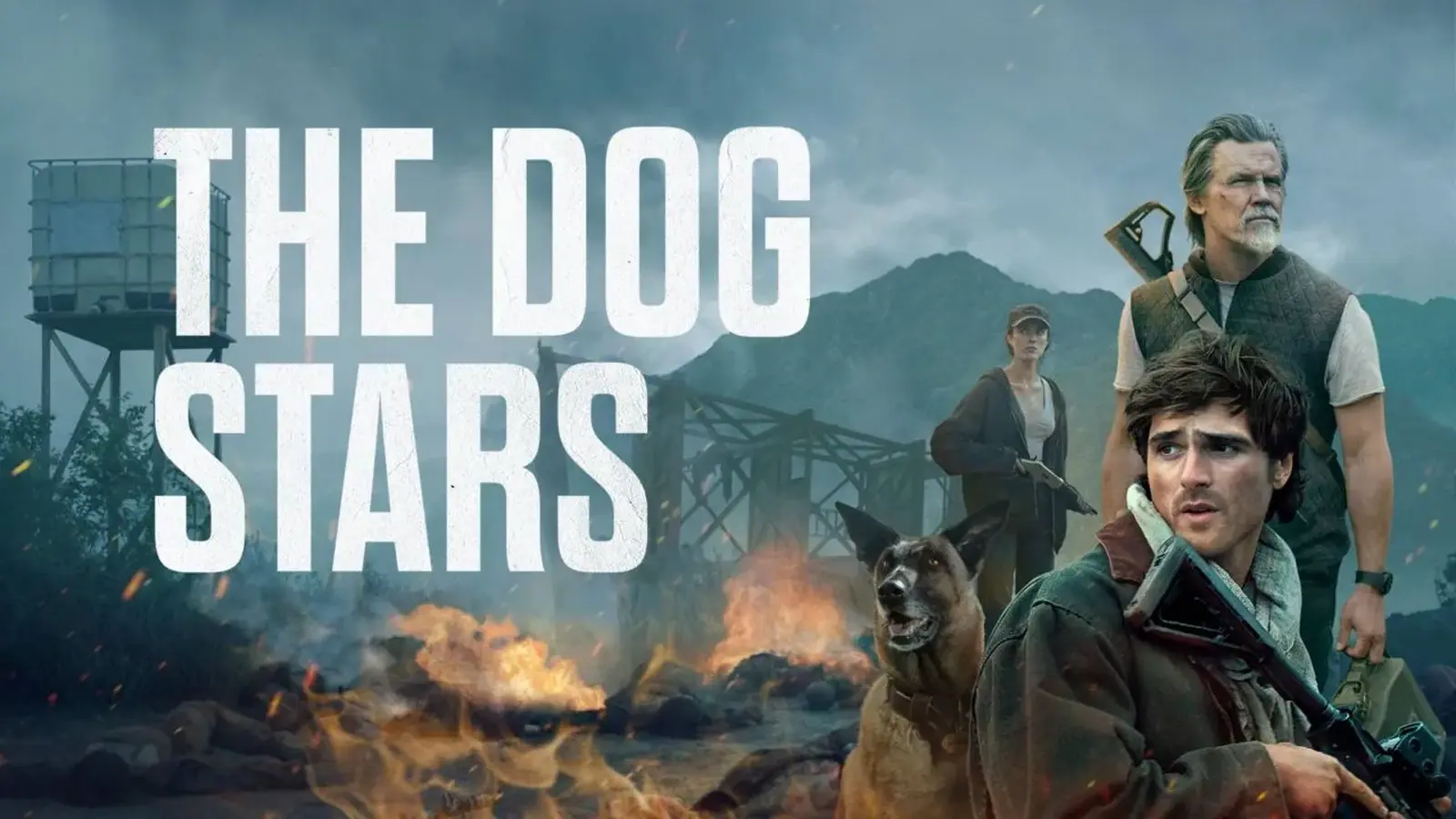
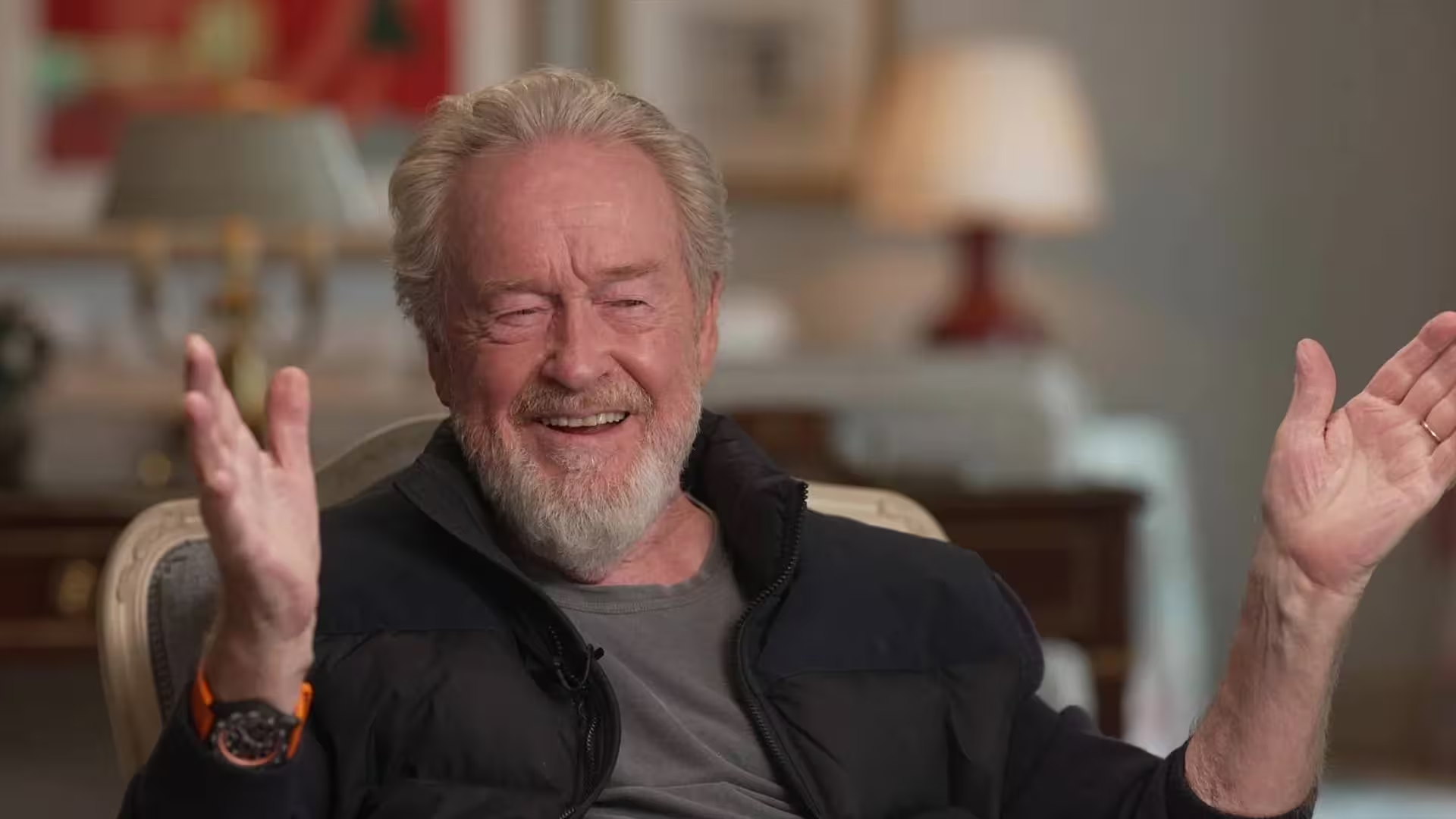
Ridley Scott at 88 still wants to be surprised. That compulsion—this hunger—sits at the heart of The Dog Stars, a lean, skyborne dystopia that trades spectacle for sunlit loneliness and, sometimes, quiet tenderness.
Scott opens the film with a small, telling economy: wide skies, a single yellow helicopter, an isolated man and his dog. In three or four images the geography is nailed down and the tone is set. The camera hangs in the atmosphere like the craft itself—aloft, surveying, slightly melancholy. Harry Gregson-Williams's score rolls in like wind under the rotors, and you feel the film as much as you see it.
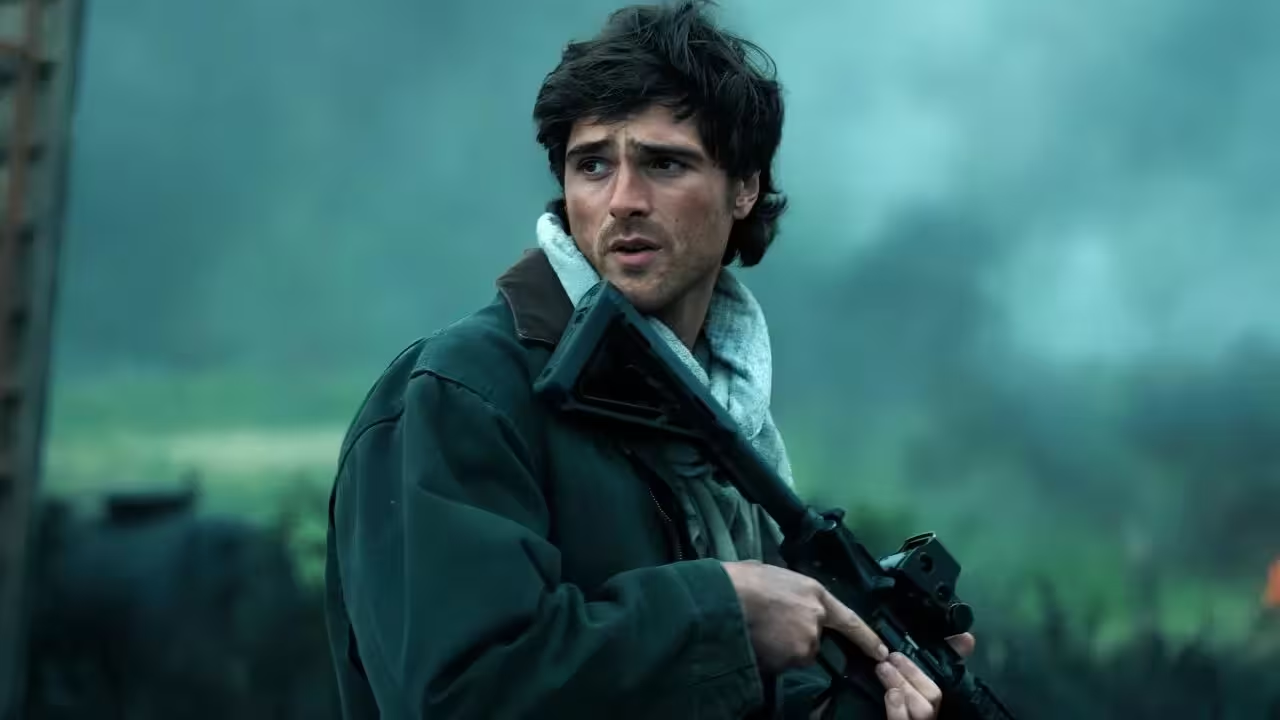
Jake Elordi plays Hig, a former mechanic turned reluctant wanderer after a flu-like pandemic has emptied cities and emptied lives. Hig’s world is built in absence: looted stores, silent streets, a scarcity of bullets and medicine. Survival isn’t only about whether you can shoot or scavenge; it’s about whether you can still want something beyond the next meal. Hig wants more. He believes in a place called Grand Junction—a rumor of renewal that keeps hope from ossifying into despair.
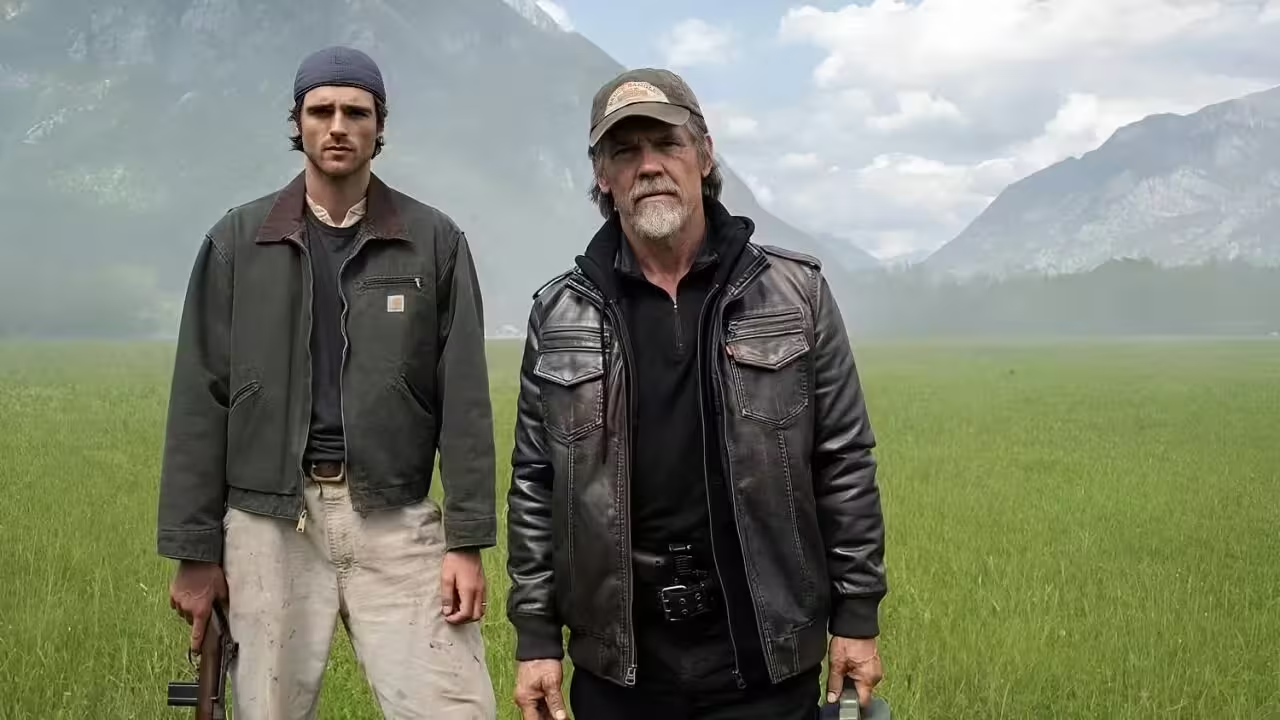
Sharing screen time with Hig is Bangley, a bristling counterpoint played by Josh Brolin. Bangley is all suspicion and quick triggers, a man shaped by the arithmetic of loss: kill first, ask questions never. Brolin leans into the role with his usual blunt force—grit, profanity, a kind of weary theatricality that reminds you why he’s cast in these parts. That contrast—Hig’s brittle optimism against Bangley’s hard realism—drives the film’s moral tension.
Margaret Qualley and Guy Pearce arrive mid-film, as Sima and Pops, a father-daughter pair holed up on a working farm. Their arrival nudges the story toward a different register: domesticity, desire, the perilous business of starting over. Qualley’s presence brings a sensual, fragile warmth that the script often treats clumsily; Scott frames her so the camera notices the way Hig notices her, and sometimes those POV choices read more lustful than lyrical. Pearce gives Pops a guarded kindness, though both roles feel sketched rather than carved—touches that hint at depth without fully excavating it.
The Dog Stars is adapted from Peter Heller’s novel, and the film carries the book’s itinerant spirit: long stretches of travel, memory, and small mercies. Scott’s direction excels in the visual and atmospheric shorthand—how a flight sequence can become a character’s internal weather; how a long shot of an empty strip mall says more about a civilization’s collapse than twenty expository lines ever could. Those early flight scenes are the movie’s best expositions. They’re tactile, almost ecstatic.
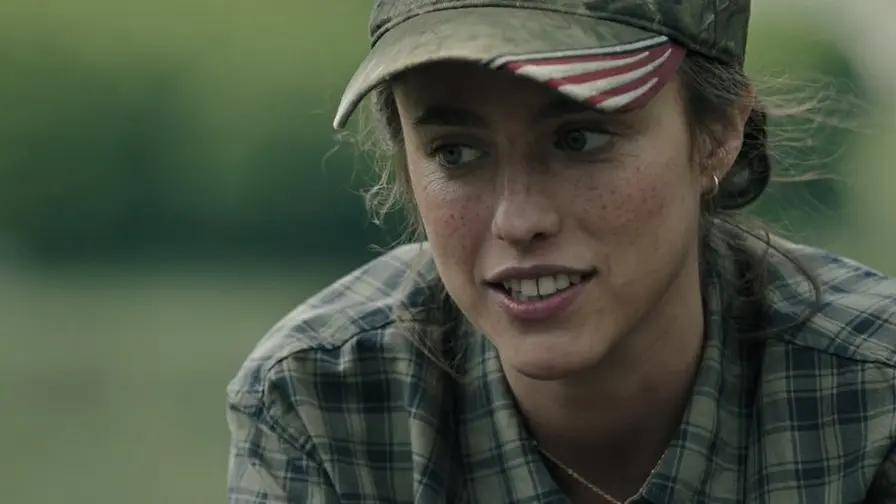
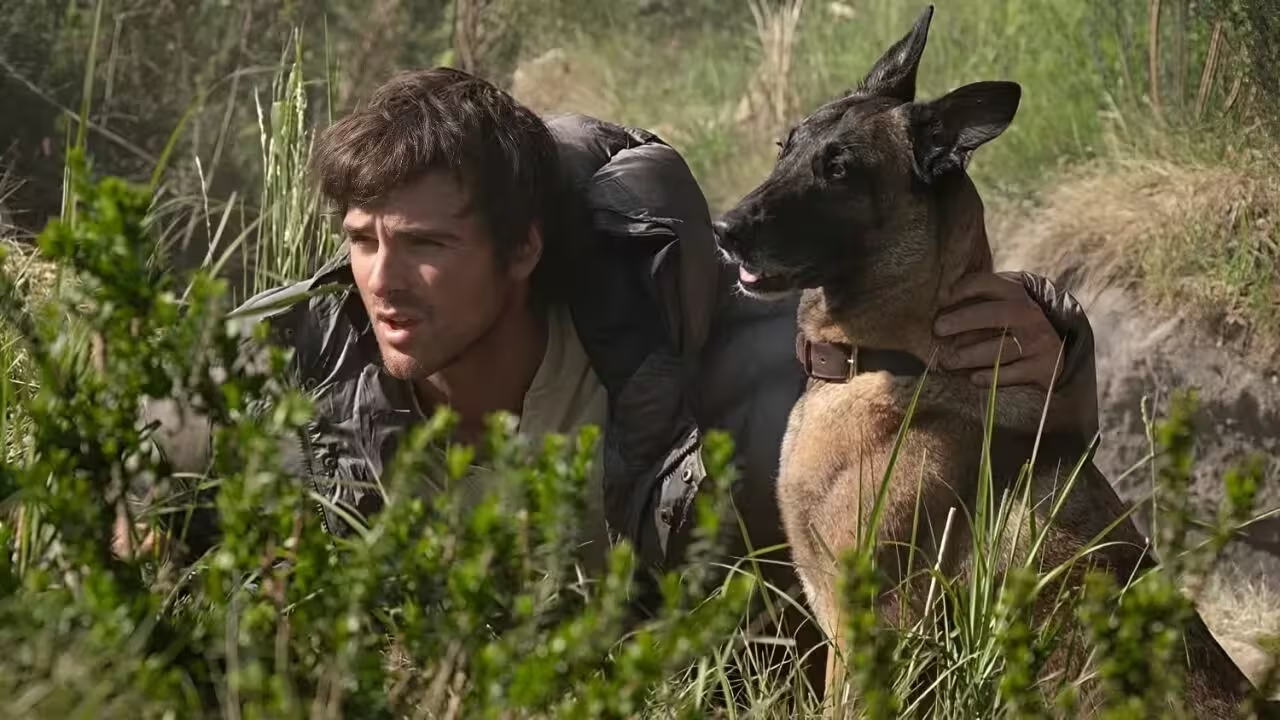
Where the film stumbles is the script’s reluctance to dig. Relationships that should register as fulcrums—Hig’s grief over his late wife Melissa, the bond with his dog Jasper, the slow bloom between Hig and Sima—too often remain asserted rather than earned. Flashbacks that aim to explain a crushed heart feel thin. The death beats that should land as gut punches land as footnotes. Jake Elordi has the physique and the cinematic presence for this kind of weathered hero, but his performance rarely unlocks the interior torment the screenplay promises. At times his face is an island; at other moments it’s a sign that the part needed a fuller map.
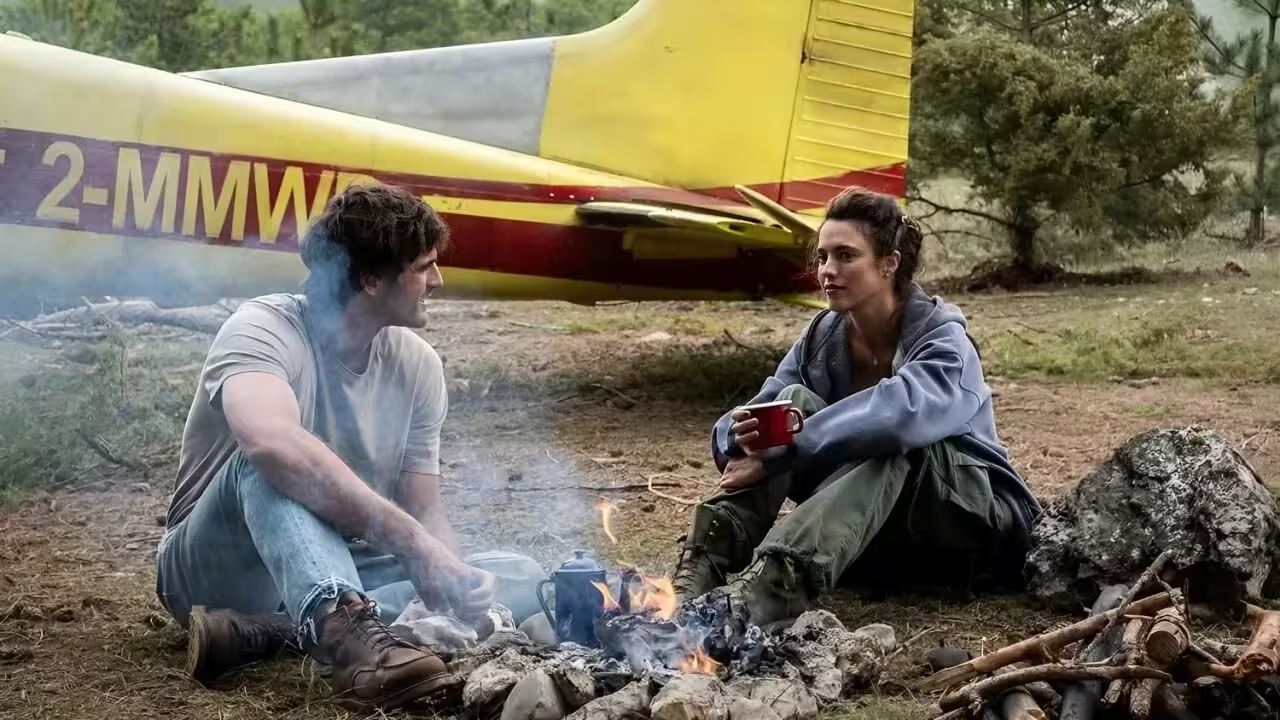
The film’s biggest shortcoming is a screenplay that venerates pain and longing but seldom builds the scenes that let audiences feel them.
That doesn’t mean the movie lacks virtues. Scott’s seasoned eye stages action with an economy that surprises: a pitched, almost balletic defense when looters swarm Bangley’s farm, night-vision POV shots that feel fresh and immediate, and a handful of tense skirmishes executed with the clarity of a director who has choreographed conflicts across decades. These sequences are lean and effective—reminders that Scott remains a master of cinematic motion.
The production design and cinematography settle on a wash of muted golds and cold blues that sell the film’s lonely atmospheres. The world feels lived-in without being showy. Small props—an oil-streaked wrench, a half-burned photograph, a patched radio—supply the texture the script sometimes lacks in exposition. Gregson-Williams’s score is unobtrusive until it isn’t; when melody arrives it lifts the film, especially during airborne stretches that suggest both freedom and exile.
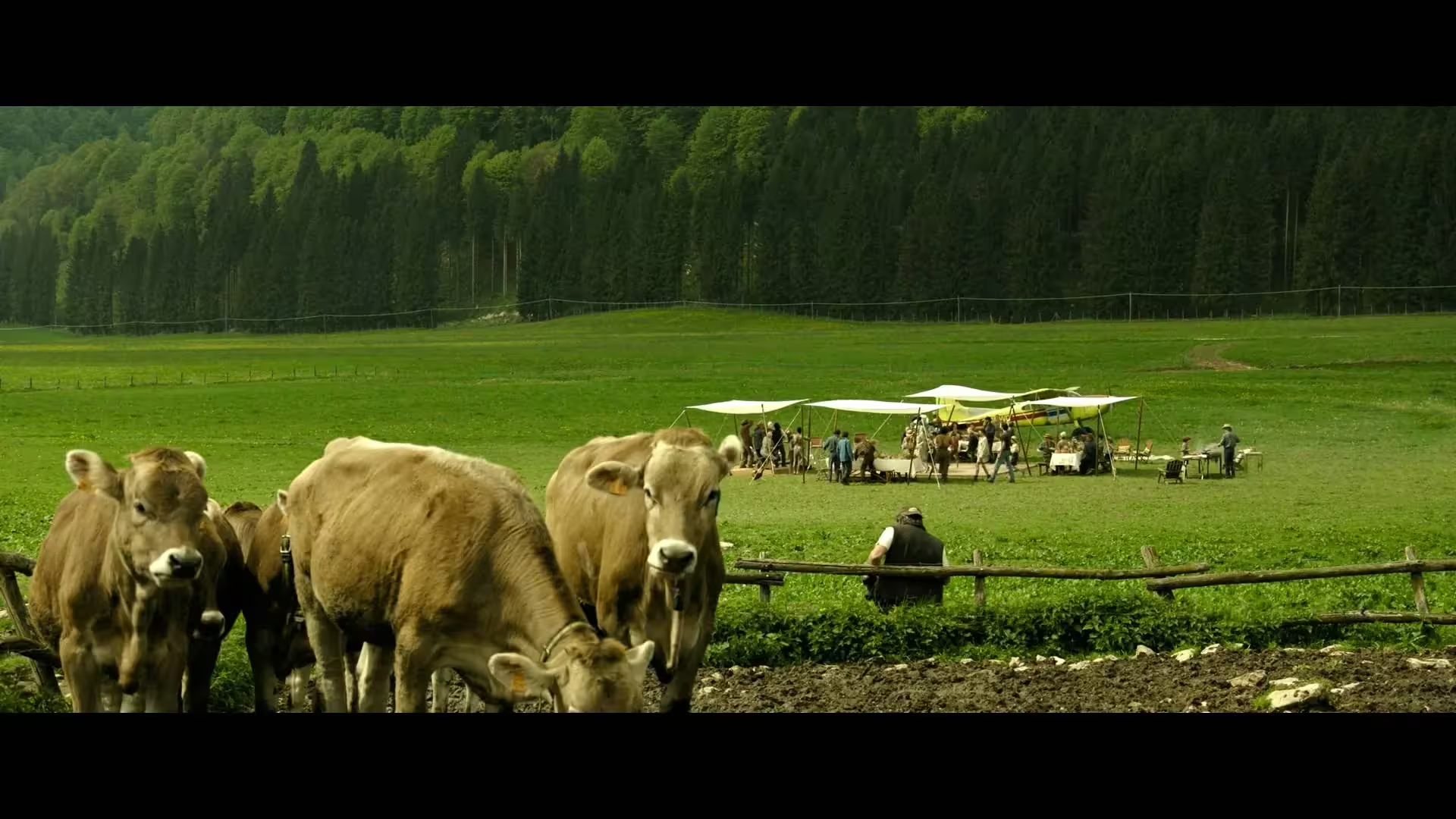
And yet the film’s emotional arch bends toward a tidy resolution that may disappoint those who came expecting Scott to complicate hope rather than consolidate it. The promise of Grand Junction, the fragile experiment of community, the idea that survivors might choose togetherness over solitude—these themes are worth interrogating with grit and ambiguity. Instead the finale assembles characters into an optimistic tableau. It’s humane, certainly. Uplifting, yes. But also somewhat conventional, given the moral fog the narrative spends its runtime exploring.
Watching Scott at this stage in his career is oddly comforting. He still seeks the small human notes amid the ruin—the stubbornness of companionship, the ridiculousness of ritual, the way people barter dignity for safety. The Dog Stars sometimes feels like a film choosing steadiness over invention: scenes that soar; scenes that stall. When it soars, it reminds you that Scott’s camera still loves to look. When it stalls, you remember that even the great directors need a script that matches their ambition.

Is The Dog Stars a perfect adaptation? No. Is it a valuable addition to Scott’s late-period work? Absolutely. It’s a film that asks a simple, urgent question: after everything falls away, what will we hold on to? For Scott, the answer keeps returning to one thing—people together. Even in the bleakest frame, life insists on continuing.

Leave a Comment
Comments (1)
wow Scott at 88 still surprises, the flight scenes made me ache. but yeah the script felt thin, Hig's grief shoulda landed harder