
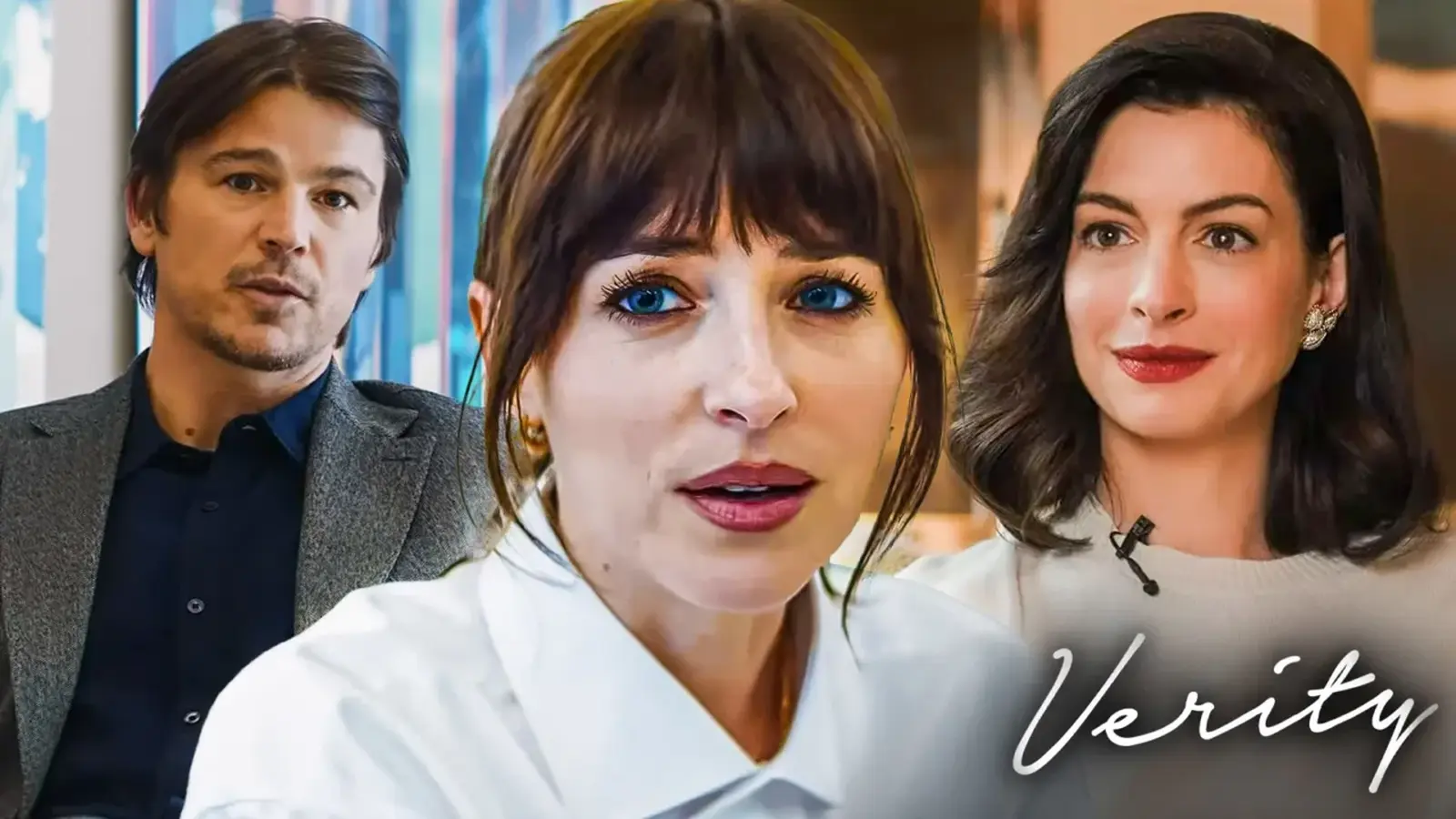
Two veteran stars. One glossed-up psychological thriller. And a wave of critics who expected more. Verity arrives as a glossy airport-book adaptation with Anne Hathaway and Dakota Johnson in the leads, but the buzz on release has skewed chilly.
Directed by Michael Schwalter from a screenplay by Nick Antosca, adapted from Colleen Hoover’s bestselling novel, Verity follows low-profile writer Lowen Ashleigh when she’s hired to finish a famous author’s unfinished series. The author's husband, Jeremy Crawford, offers the job. What Lowen finds among draft pages is not just plot points, but a manuscript that bleeds into the private horrors and secrets of a family. Reality, fiction and obsession begin to blur.
That premise sounds like a dream for thriller fans. Tension, unreliable narration, and domestic dread all in one package. In practice, critics argue the film only intermittently earns those thrills. Rotten Tomatoes tallied 88 reviews and a 41% critic score. Metacritic collected 28 reviews and sits at 45 out of 100. Numbers like that suggest a film with divisive moments rather than a consensus hit.
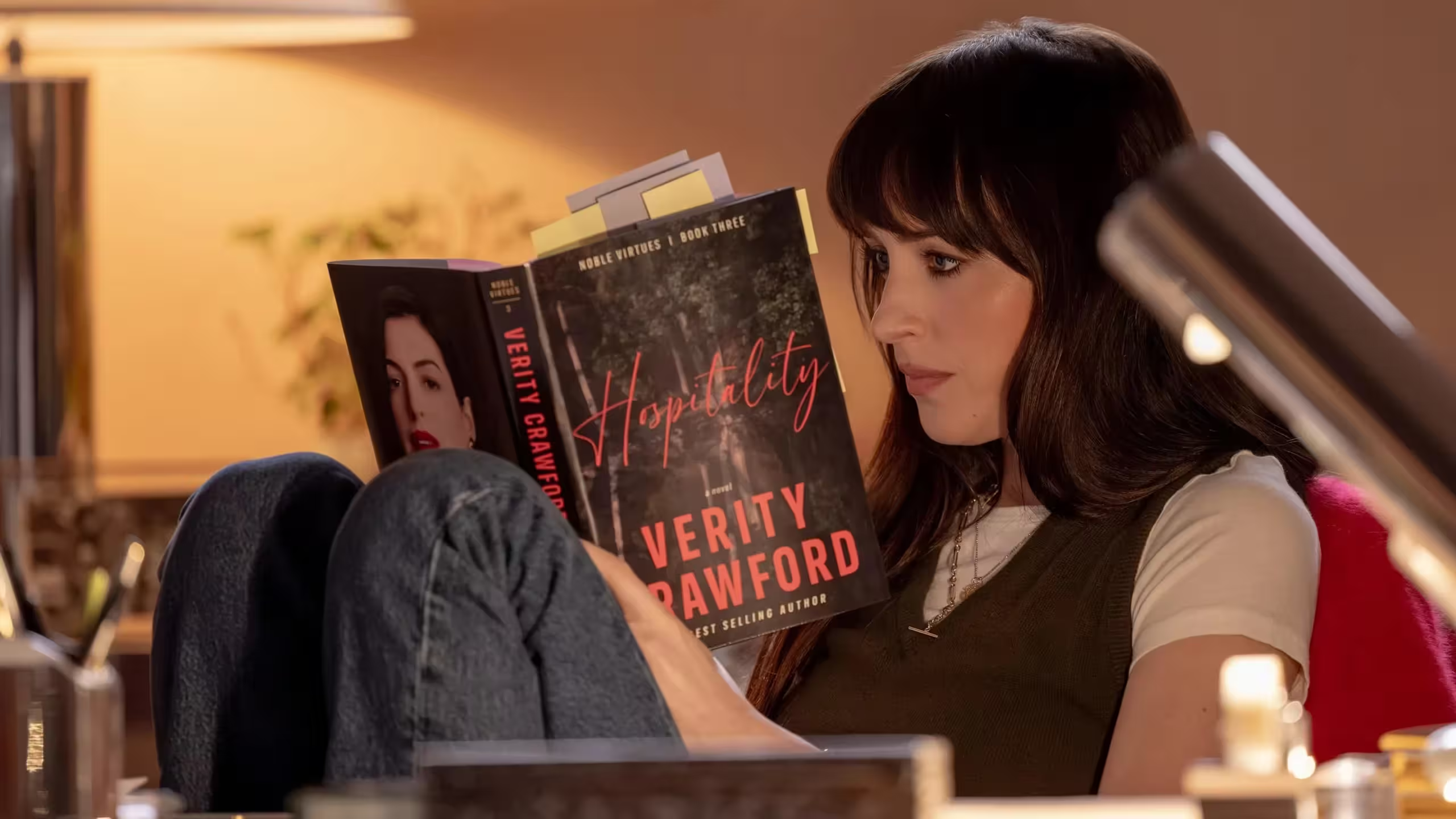
Some reviewers found merit. Screen Rant awarded the film an 80/100 and called it an entertaining piece—bloody enough to unsettle but never gratuitous, and oddly self-aware of its origin as a dark romance novel. RogerEbert.com gave it a 75, saying the movie can feel too clever for its own good—smart, but not always smart enough to capitalize on that cleverness.
Yet the praise thins out fast. IndieWire’s 67/100 read points to a glassy, contrived thriller that depends on manufactured pleasures and the audience’s willingness to buy into its nastier implications about successful women. Several outlets clustered around the 60 mark—Collider, Polygon and TheWrap—sympathizing with the film’s craft and the magnetism of its cast, but criticizing a reluctance to fully commit to the darker path the story promises.
At the lower end, critics were blunt. The Guardian and The Telegraph landed around 40/100, noting that a provocative opening sequence unravels into a third act composed of thin, unconvincing subplots. Empire and Slant echoed similar sentiments: strong performances elevate what otherwise feels like a melodrama stretched thinner than it should be. Variety and Slashfilm were harsher, accusing the film of leaning on star power while failing to deliver coherent emotional stakes or narrative momentum.
So where does that leave Verity? It’s a film that lives in contrast. The production is glossy. The performances—especially Hathaway’s and Johnson’s—give the material texture and presence. The cinematography and nods to David Lynch/Brian De Palma-style flourish give it a delicious surface. But some critics felt the core never quite solidified: tension that should build into something truly unnerving fizzles into melodrama and patchwork plotting.

Put another way: Verity is often watchable, occasionally gripping, and sometimes infuriating. It offers moments that stick—a chilling page read, a staged intimacy that feels dangerously palpable—but too many reviewers saw those highs as islands surrounded by narrative fog. Is the film guilty of playing things safe? Many say yes. Does its star power make it worth a weekend ticket or stream? That depends on whether you prize performance and mood over tightly wired plotting.
If you want a faithful adaptation of Hoover’s novel or a taut, unrelenting descent into psychological horror, Verity may frustrate. If you’re in the market for a glossy, female-led thriller that flirts with unease and is buoyed by charismatic leads, it might satisfy enough to be divisive rather than disastrous. In cinema, as in gossip, spectacle sometimes outshines substance—but every so often, it still sparks conversation.

Leave a Comment
Comments
No comments yet. Be the first.