

Remember when Netflix content went straight from the studio to your living room and that was the end of the story? Not anymore. KPop Demon Hunters blew past expectations on the platform — 325.1 million views in its first 90 days and a remarkable 63 weeks straight inside Netflix’s global top 10 — and now the sequel is being treated very differently.
The animated phenomenon, initially a Sony-backed title that premiered on Netflix, proved it could do box-office business as well. A sing-along cinematic edition released only two months after the streaming debut pulled roughly $19 million in its first two days and briefly topped the domestic box office. Most major chains ran the film — all except AMC, which has clashed with Netflix before over the streaming giant’s reluctance to promise a 45-day exclusive theatrical window.
That friction helped shape Netflix’s plan. Ted Sarandos, co-CEO of Netflix, told an audience at Bloomberg Screentime that the company will now tailor theatrical strategies to each title’s profile and potential. Some films will have long, sustained runs in theaters; others — especially family-focused pictures that feed repeat viewing at home — will follow a different, wider-but-shorter model. He name-checked upcoming projects to illustrate the point: Narnia: The Magician’s Nephew is slated for a wide theatrical rollout in the coming year, and Charlie vs. the Chocolate Factory is lined up for a major cinema push at the end of 2027.
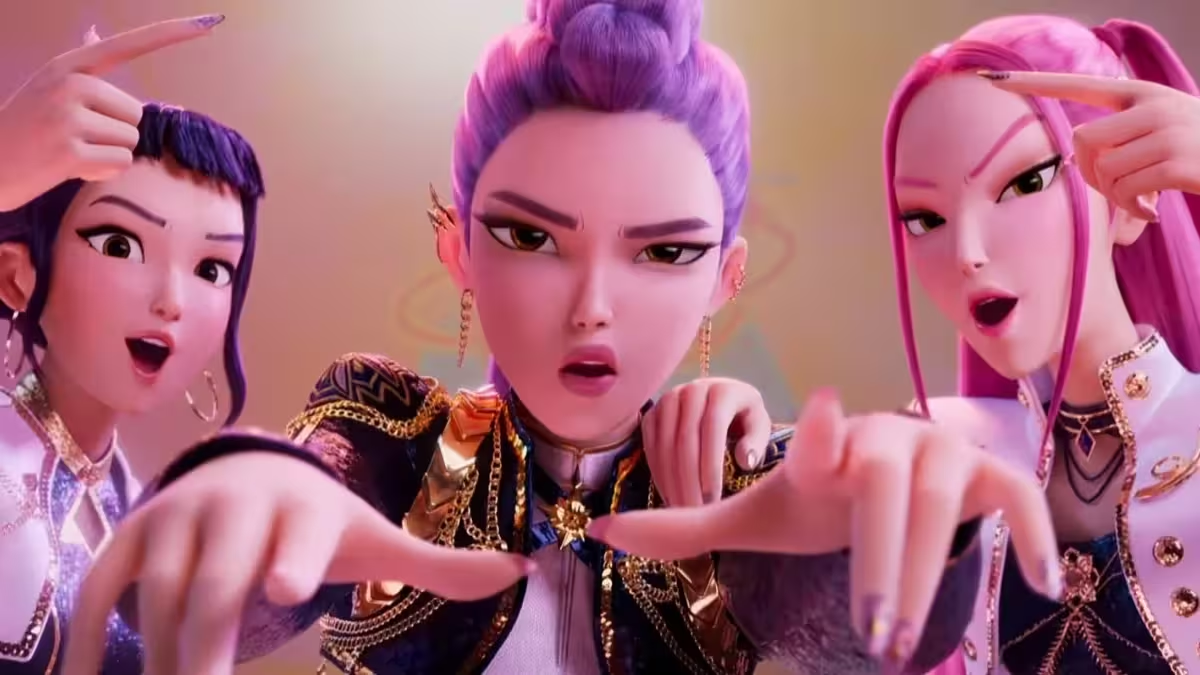
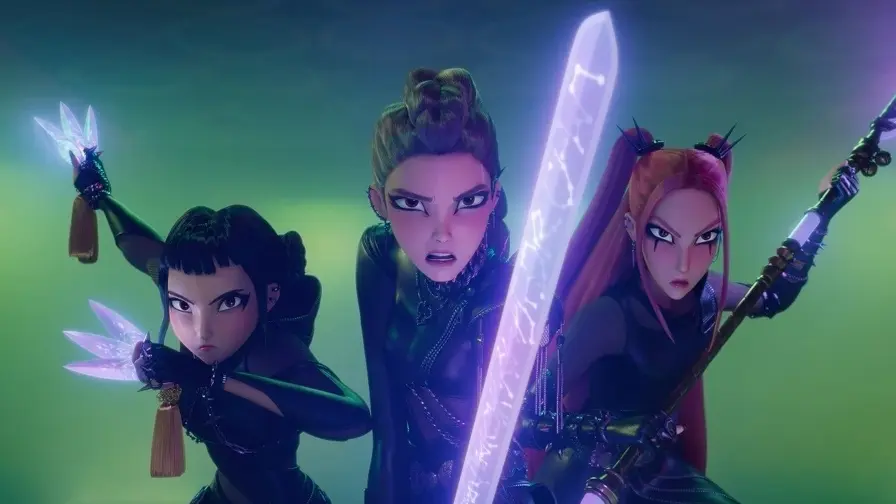
So where does KPop Demon Hunters 2 fit into all this? Sarandos was blunt: expect a very wide, global theatrical launch when the family sequel arrives in 2029. Why the confidence? Because certain properties do more than just earn tickets; they build franchises, cultural moments and viewing habits that feed back into the streaming service for months and years.
Netflix will start reporting box-office numbers for these wide theatrical releases, but Sarandos cautioned that theatrical takings are not a simple profit-and-loss dial for the company. The studio’s financial expectations for these releases are deliberately conservative. The primary aim is audience creation — expanding the brand, driving subscriptions and creating titles that invite repeat plays on the platform, especially among children and families.
There’s nuance here. Netflix sees a split between prestige or art-driven films that can linger in theaters and family-driven blockbusters that earn their keep through repeat home viewings. Titles that sit in the middle are the tough calls — too big for a niche strategy, too small for a full global rollout. That’s where careful curation, marketing muscle and distribution deals with exhibitors will matter most.
For global viewers and fans of the original, the message is clear: the sequel won’t be a streaming-only drop. It’s being prepped as an event, one that Netflix hopes will play out on screens worldwide before finding its long-term home back on the service. Expect trailers, theater dates, and a campaign built to turn a Netflix hit into a box-office moment — and then into a franchise staple.

Leave a Comment
Comments
No comments yet. Be the first.