
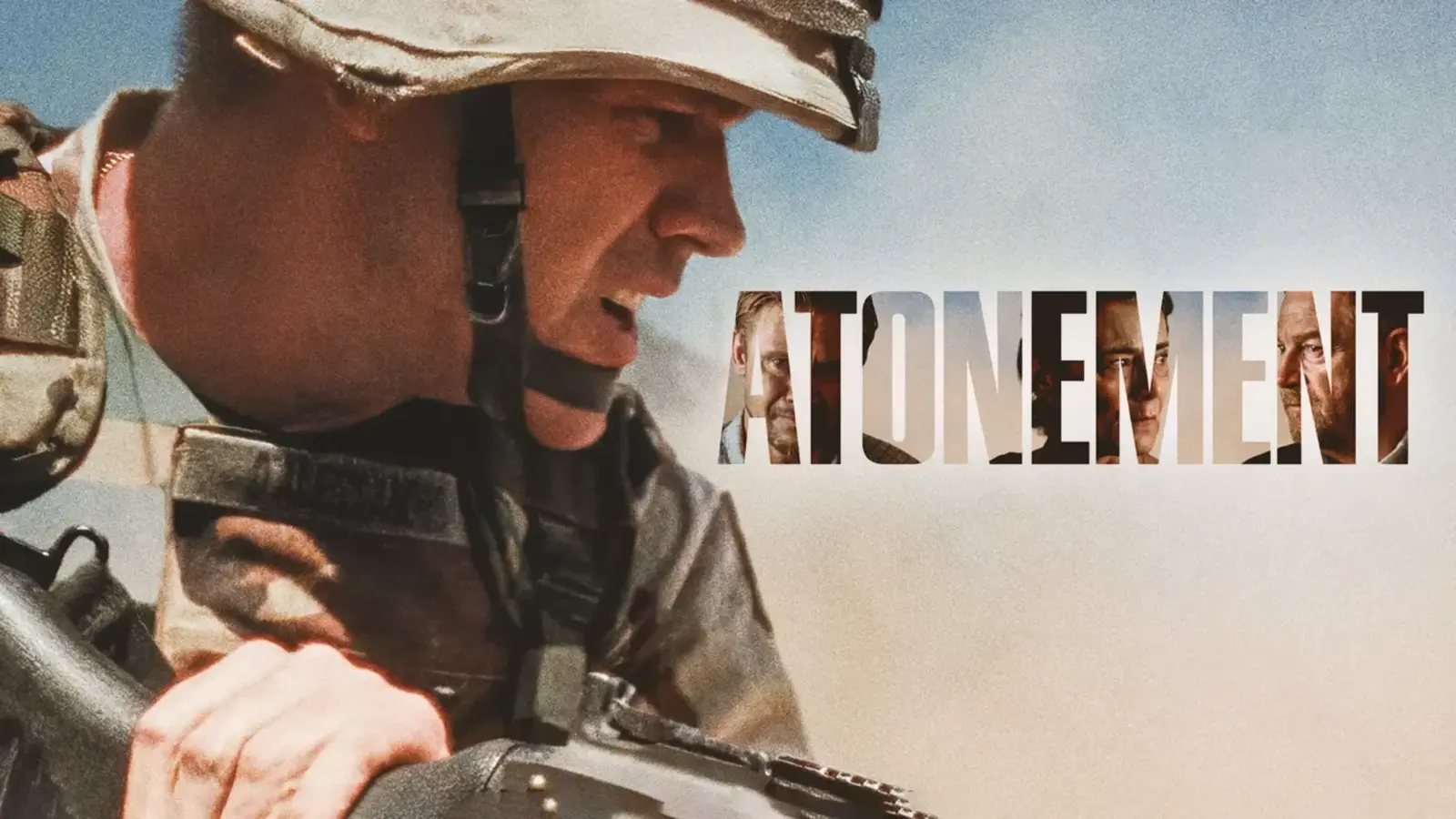
You leave the theater with a weight that doesn't melt away. It lingers. Atonement—Reid van Dyke's first feature—doesn't just dramatize the fallout of war; it makes you live inside the small, awful moments that add up to a life changed forever.
Based on a New Yorker piece by Dexter Filkins and inspired by a real incident involving a former U.S. Marine, the film follows a man trying to face the family members of civilians his unit shot at during the Iraq conflict in 2003. Boyd Holbrook anchors the story with a quiet, fracturing performance. Kenneth Branagh plays a restrained figure whose grief never tips into melodrama. Hiam Abbass provides the film’s moral center—a presence both tender and unyielding.
Van Dyke wears many hats here: writer, director and producer. For a debut, the film shows remarkable control. Some scenes breathe slowly; others hit like a fist. That contrast is deliberate. The movie is about consequences—how a single training to act without question can collide with a suddenly unavoidable conscience years later.
Critics have noticed. On Rotten Tomatoes the film sits at 89% from 18 reviews, while Metacritic aggregates a 76 out of 100 from 11 critics. Those numbers tell part of the story. The real texture comes from individual takes.
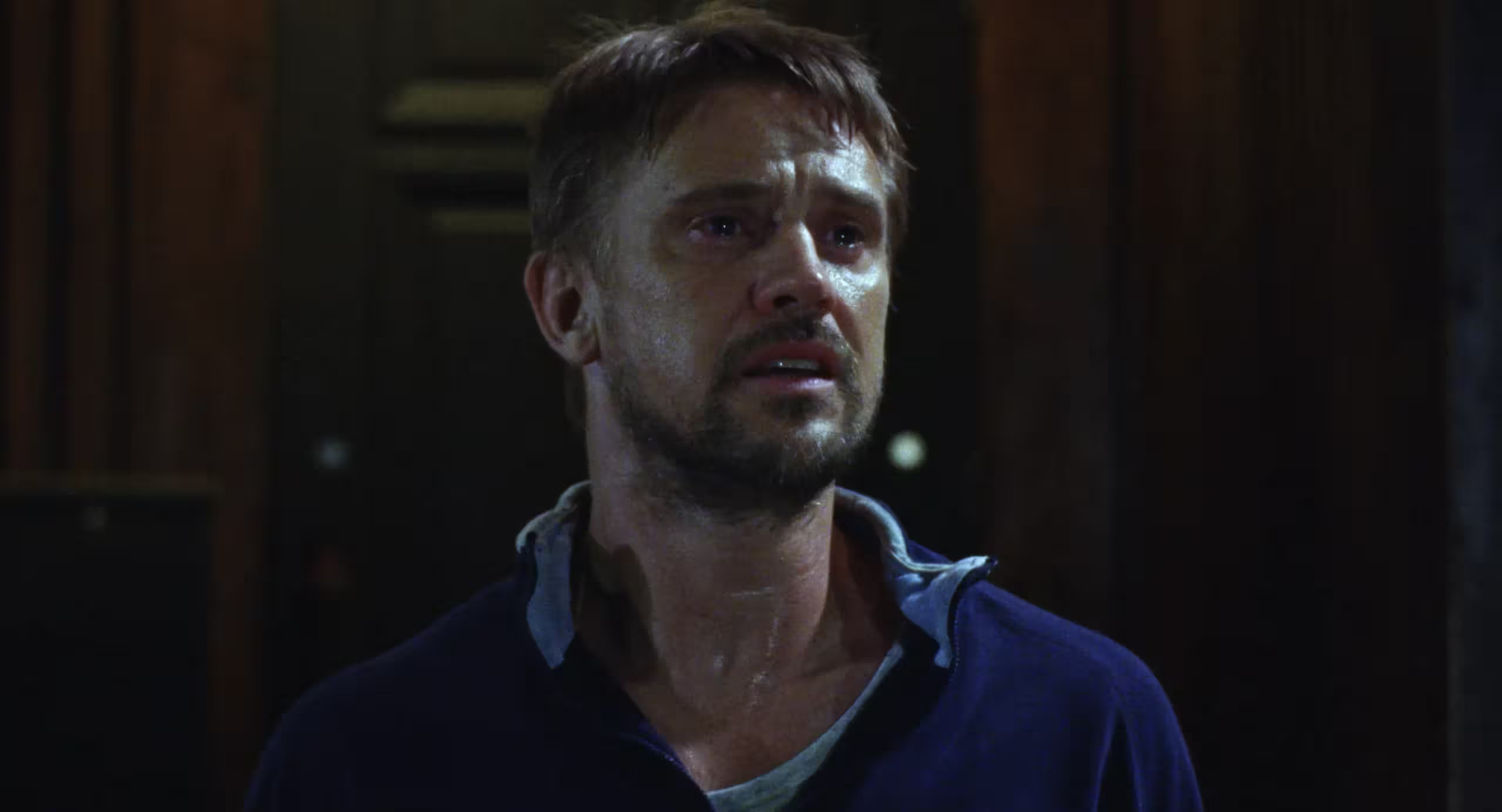
IndieWire (90/100) praises the film as an intimate, psychologically sharp portrait of the human cost of American imperial violence, one that places viewers squarely inside its characters' minds. Collider (90/100) calls it one of the year’s most powerful films—anchored by superb acting and a screenplay that never lets its central humanity slip from view.
Screen Rant (90/100) singles out van Dyke as a filmmaker to watch: a first feature that is both moving and assured, pointing to a long career ahead. The Telegraph (80/100) emphasizes the cast’s restraint—Branagh's crushed control and Abbass’s layered resilience—praising performances that avoid grandstanding.
Variety (80/100) warns the film flirts with excess sentimentality at points, but ultimately finds its truth in startling, emotional honesty. The Hollywood Reporter (70/100) values how the film humanizes those on the other side of conflict, depicting shared pain rather than simple villainy. The Times (60/100) notes occasional rhythm and tone issues typical of debut efforts, yet acknowledges a poetic final sequence that ties the film's themes together in an unexpectedly gentle way.
What Atonement does best is hold discomfort without cheap answers. It examines guilt as a process, not a single moment. Responsibility isn't a headline—it's a slow, persistent reckoning. That may not be easy to watch. But then again: which honest film about war ever is?
.avif "DIY Sprinter Camper Van: Maximum Space, Off-Grid Comfort, and a Perfect Fit for Tall Adventurers")

Leave a Comment
Comments
No comments yet. Be the first.