
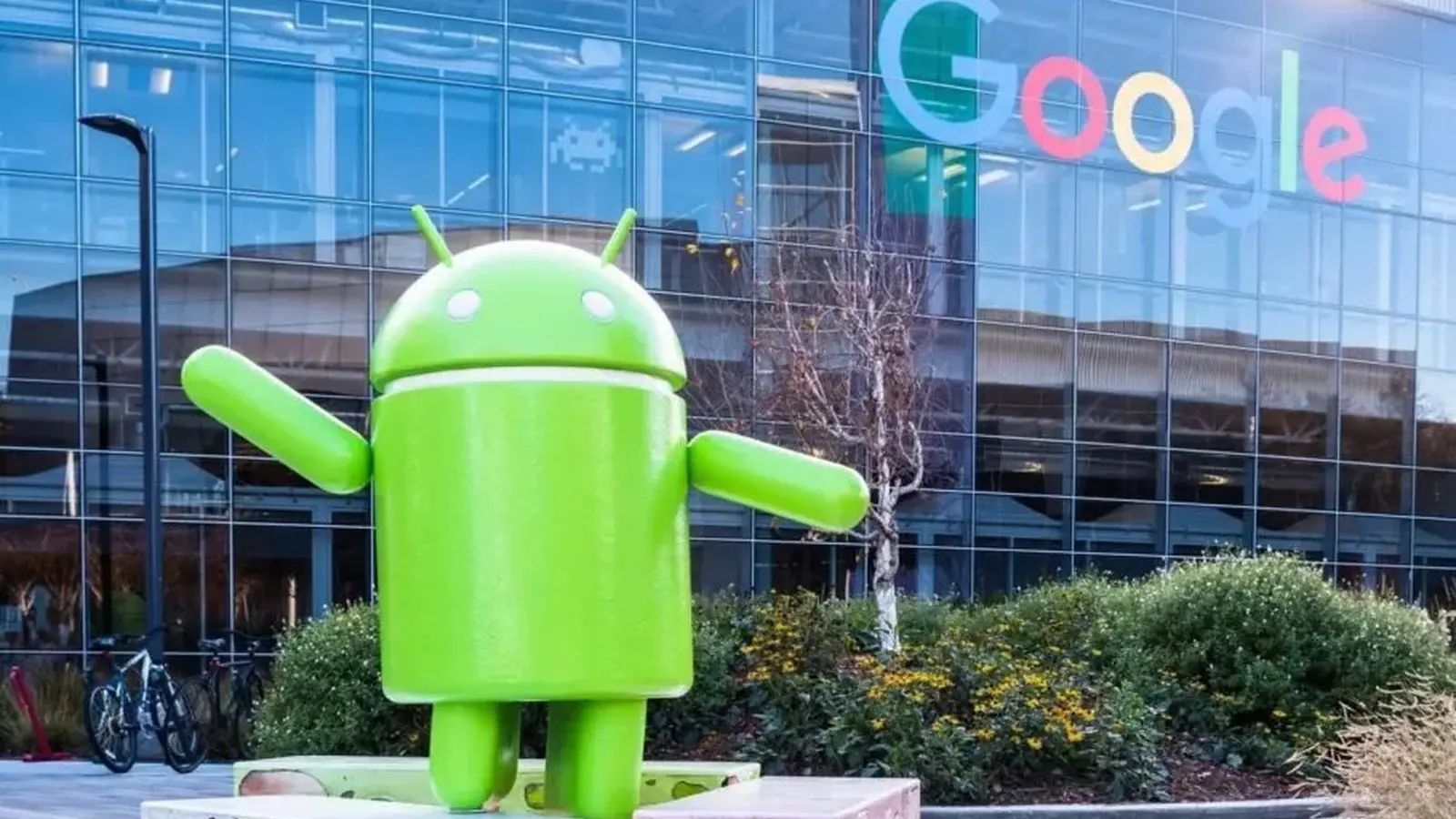
The European Court's decision landed like a slap across the tech industry: Google must pay €4.1 billion after the court rejected the company's appeal in a long-running Android antitrust case. The ruling closes a chapter that began in 2018 and sends a clear signal to platform owners everywhere.
At the heart of the dispute were three practices the European Commission accused Google of deploying to lock competitors out of the mobile market. First, license conditions tied access to the Play Store to preinstalling Google Search and the Chrome browser. Second, Google paid major device makers and mobile operators to make its search the default on phones and tablets. Third, the company used contractual pressure to limit devices running modified or alternative versions of Android. Some of these tactics nudged the market one way. The court found those nudges crossed a legal line.
That said, judges also noted a nuance: Android never outright barred users from downloading alternative browsers or search engines. Consumers could still install rivals. But the combination of OEM contracts, default settings and financial incentives, the court concluded, materially harmed competition.
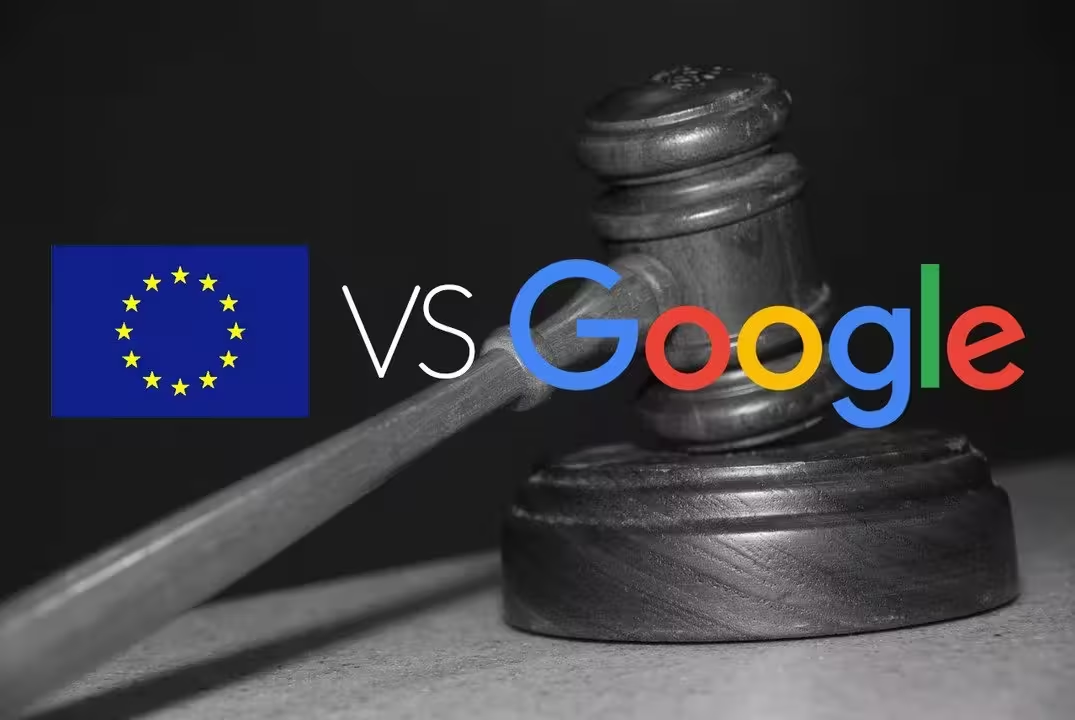
Google responded quickly, reiterating familiar themes. A company spokesperson said the ruling overlooks the investments Google has made to keep Android open and free for the ecosystem. The firm points out it amended licensing agreements in 2018 to comply with the Commission's initial concerns, and public statements from CEO Sundar Pichai have framed the company’s approach as one that preserves consumer choice rather than restricting it.
This verdict marks the end of a legal saga that began in 2018 and reinforces Europe’s willingness to take antitrust fights to the highest courts.
The €4.1 billion penalty was reduced slightly from an earlier €4.3 billion figure following further procedural adjustments in 2022. Still, it stands among the largest regulatory penalties ever imposed on an individual tech company by European authorities. It is not, however, the only recent sanction Google has faced. In 2024 the Commission fined Google €2.4 billion over alleged abuse in its shopping comparison service, and in 2025 another €2.95 billion penalty was issued for favoring its own advertising products.
Elsewhere, national courts have weighed in with their own judgments. In October 2024 a Russian court issued an extremely large—widely reported as symbolic—penalty tied to content moderation policies. And just recently a Swedish court announced a separate $1.5 billion fine linked to competition concerns. Taken together, these rulings paint a picture of a global regulatory landscape that is growing less tolerant of dominant platforms tilting markets in their favor.
So what now? For Google, the practical fallout will include the financial hit and the reputational cost. For device makers and carriers, it could mean renegotiated contracts and more freedom to offer alternative defaults. For rivals and startups, the ruling may open incremental opportunities to compete on mobile distribution and preinstalled pathways. For regulators, it is a reinforcement: the tools they have—merger scrutiny, competition investigations, and hefty fines—remain on the table and ready for use.
Regulatory pressure is now a predictable part of doing business at the scale of Google. That reality will shape strategic decisions inside the company and across the industry for years to come. The question is no longer whether powerful platforms will be scrutinized; it's how they will adapt when the rules are enforced.

Leave a Comment
Comments
No comments yet. Be the first.