
3 Minutes
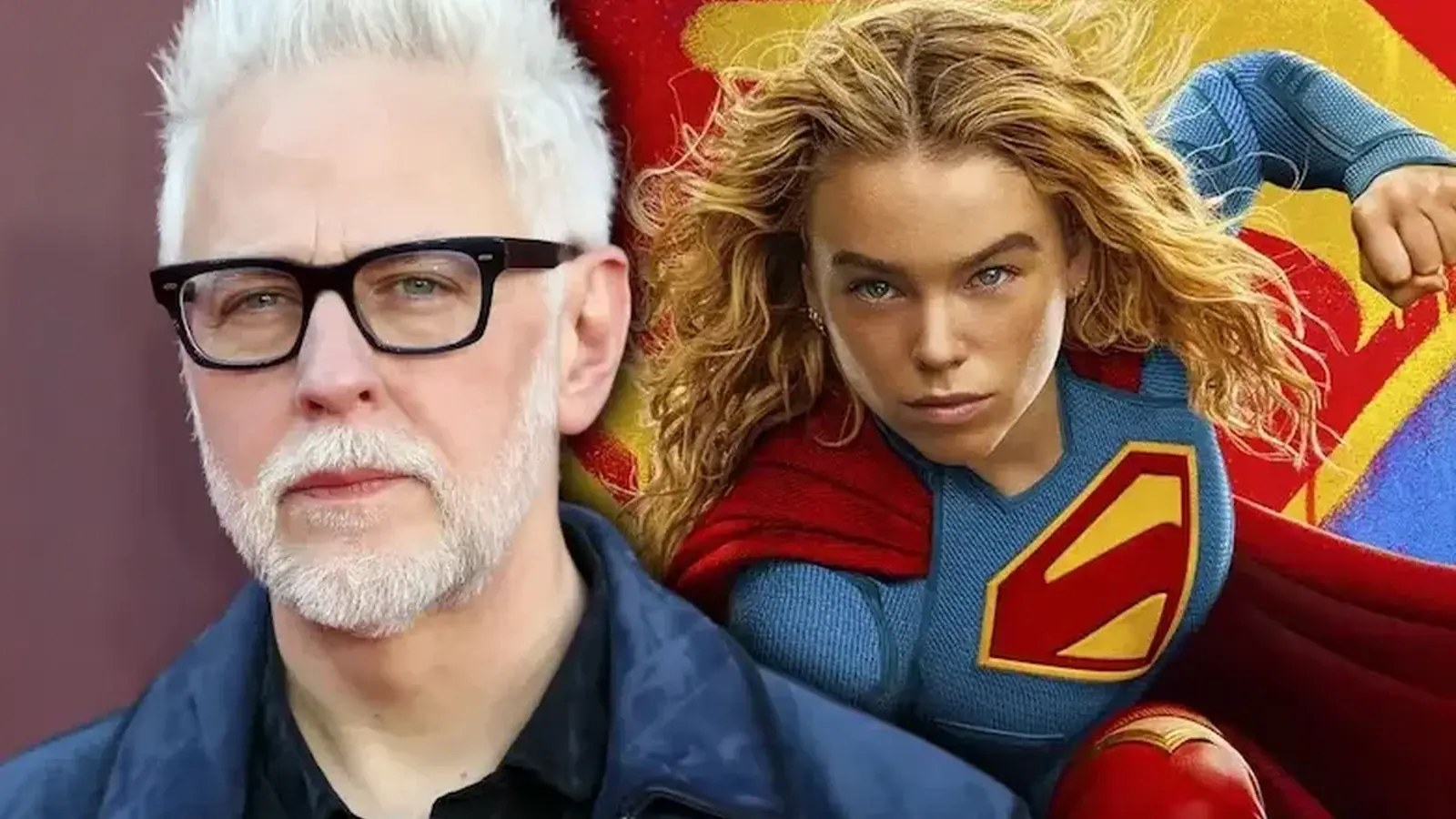
Nobody expected Supergirl to become the canary in the coal mine for DC's leadership, but here we are. Box-office disappointment has a way of sharpening questions—especially when those questions point at the very top of the studio.
Reports now paint a clearer picture of the contract landscape: James Gunn and Peter Safran are tied to DC Studio leadership through a deal that runs into 2027, with sources pointing to April as the likely endpoint. That deadline matters. Not because one misstep automatically costs someone their job, but because studios rarely forget patterns. Successes and failures stack up fast.
The next few releases will carry outsized weight: Clayface and Man of Tomorrow could tip the scales for Gunn and Safran in ways a single flop cannot.
It’s worth separating titles. The Batman Part II, for instance, operates largely outside the current DCU playbook—more a Warner Bros. standalone than a tile in Gunn’s mosaic—so its performance won’t calm or inflame debates about DC’s shared future. Yet Gunn has been keen to be seen as a central figure, amplifying his involvement in promotional cycles for projects he didn’t originate. That visibility has one side effect: if things go wrong, the finger often points at him first.

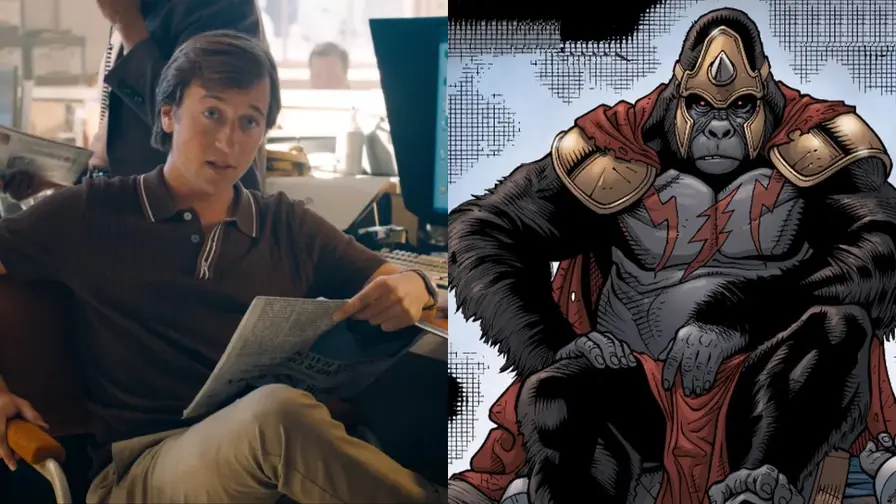
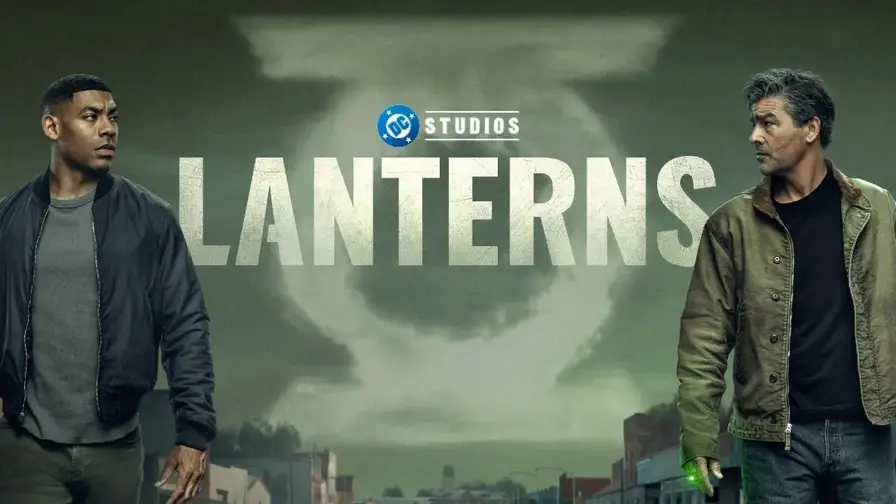
Still, Gunn isn’t stepping back from his taste for obscure characters. Development continues on projects that fit his appetite for the offbeat: a DC Crime series centered on Jimmy Olsen reportedly begins shooting this autumn, while a Mister Terrific show is said to be moving forward with The Sandman writer Alan Heinberg drafting the pilot. There’s also an active television spinoff for Superman in the works, now officially added to the DCU slate.
The scrutiny isn’t purely creative. Corporate chess moves add pressure. David Ellison’s interest in reshaping Warner Bros. under a Paramount-led vision could rewrite which franchises get prioritized. Ellison has shown he’ll shelve even highly anticipated projects if they don’t match his strategy—The Last Ronin’s spinoff cancellations are a recent example. If the DCU fails to become reliably profitable, executives might favor a reboot or a return to standalone DC films—old habits die hard.
Audience taste complicates matters further. Moviegoers have grown choosier. Superhero fatigue isn’t evenly spread across demographics. Some studio insiders argue Gen Z’s appetite for traditional capes and origin beats has cooled, leaving mainstream tentpoles to rely more on recognizable A-list heroes. That reality makes selling movies built around B- and C-list names a tougher proposition than a few years back.
So what happens next? The calendar will tell part of the story. Box office and streaming numbers for the upcoming slate will be parsed, spun, and debated. And as the April 2027 checkpoint approaches, conversations at the highest levels will intensify. Change at big studios is rarely sudden. It’s more often the slow accumulation of signals—one missed target, one unexpected hit, and the narrative starts to tilt.
Either way, the next act for DC will say as much about industry strategy as it does about storytelling. Fans and executives alike will be watching closely.


Leave a Comment
Comments
No comments yet. Be the first.