
Ever scrolled through your feed and wondered how different a photo would look if a friend—or a stranger—were standing beside you? Meta just built the tool to answer that curiosity, and it’s surprisingly simple: mention someone, and the AI can place them into a generated image.
Called Muse Image, the new model lives under Meta’s advanced research umbrella and replaces the older LLaMA family. It isn't a standalone novelty. Muse Image will power image tools across Meta AI, Instagram, and WhatsApp first, with Facebook and Messenger on the roadmap. Short version: this feature will show up where you already share moments.
The clever part is how Muse Image teams up with Muse Spark, Meta’s large language model. Muse Spark parses your text prompt, goes out to the web to gather context, maps a plan, and then hands off to Muse Image to render the final picture. That tandem makes prompts behave less like commands and more like creative conversations.
 |  |
Tagging is the headline. When you mention another account in a prompt, Muse Image can draw from images that person has marked public to generate a likeness. Meta insists users will keep control over how their public photos are used, and settings are being offered so people can manage whether and how their likeness appears in AI outputs.
Beyond adding faces, Muse Image can tweak and transform photos in playful and practical ways. It can apply prompt-suggested changes for invitations or postcards, let you paint directly onto images, and even propose room redesigns using listings from Facebook Marketplace. Think of it as a creative Swiss Army knife embedded into apps you already use.
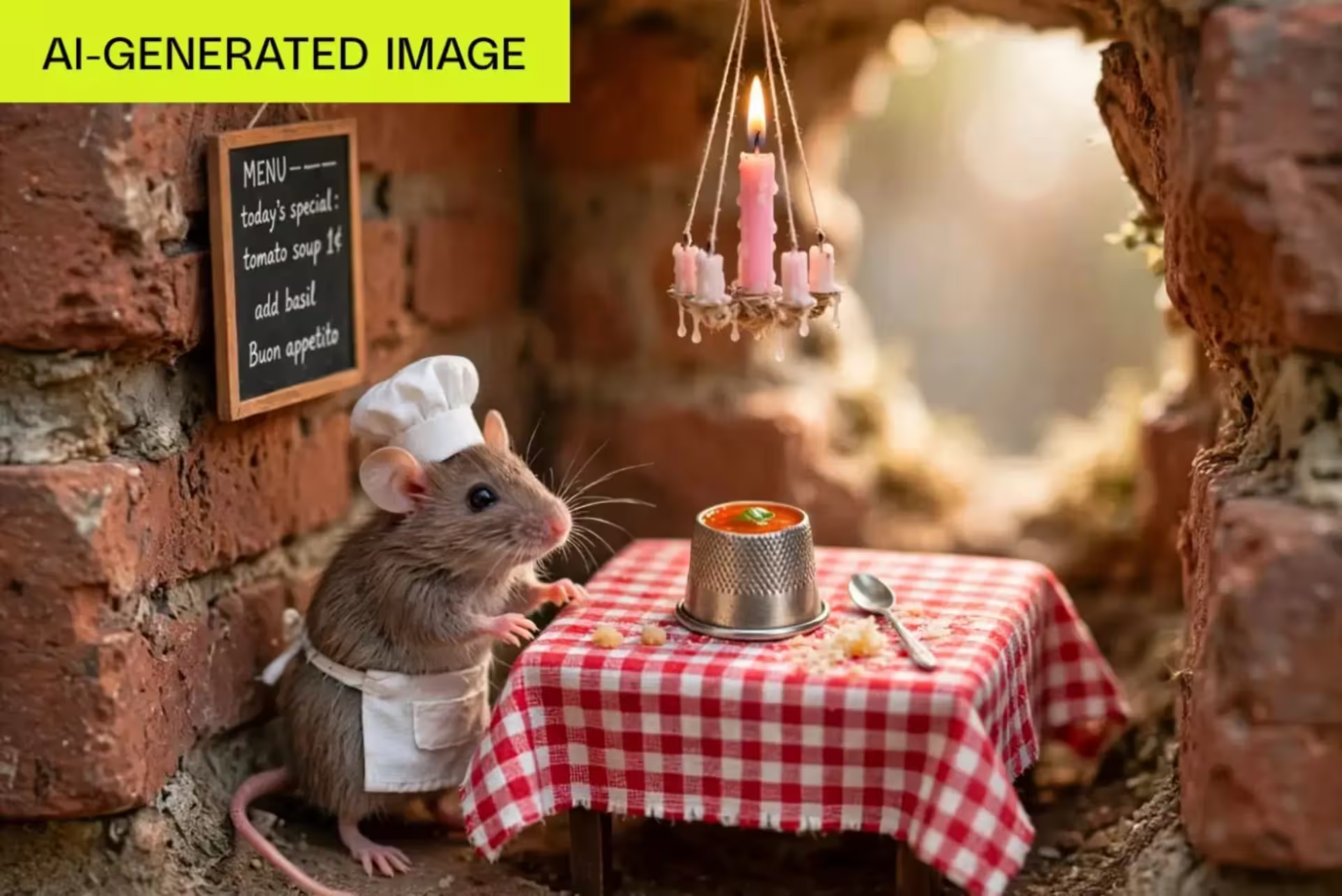
Launch plans are measured. Thirty new AI effects, powered by Muse Image, will debut in Instagram Stories in the U.S. first before rolling out to other regions and Meta apps. That phased approach gives Meta room to tune behavior and moderation while millions begin experimenting.
There are obvious questions about consent, misuse, and what it means to put someone into a manufactured scene. Meta is promising controls and safeguards, but the shift is notable: images are no longer fixed records—they’re editable narratives. Try tagging a friend and see what the algorithm invents; then ask whether the result feels like memory or invention.


Leave a Comment
Comments
No comments yet. Be the first.