
4 Minutes
Volvo bets on sedans and wagons returning to the US market
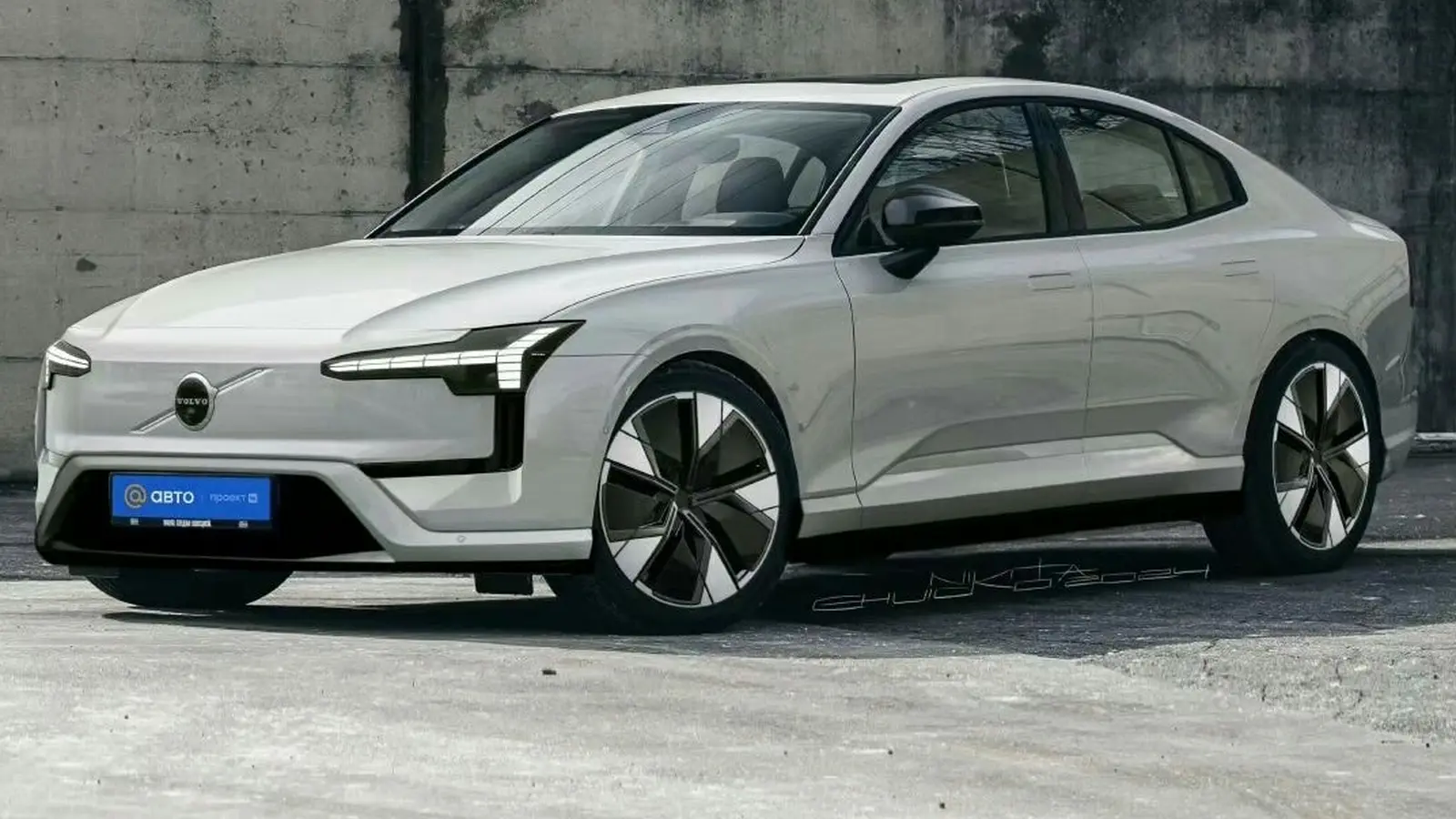
Volvo is reportedly preparing to re-enter the American sedan and wagon segments with two fully electric models slated for a 2028 launch. After pruning its lineup to mostly crossovers and discontinuing the S90 and V60, the Swedish brand now appears ready to test whether low-slung EVs can find traction in a market dominated by SUVs and pickups.
Why the comeback now?
A policy shift gave Volvo renewed momentum: the US government recently approved the import of connected vehicles from Volvo despite the company’s complex ownership ties. That same Connected Vehicle Rule effectively pushed sister brand Polestar out of the US after MY2026, but it opened a door for Volvo to expand its EV offerings stateside.

Automotive News reports that Volvo is considering a midsize electric sedan and a wagon for the US in 2028. Production would likely remain in Europe, where the two models are expected to be built for existing markets before being exported to North America—an economical choice given their expected low volumes.
Platform and design clues: SPA3 underpinnings
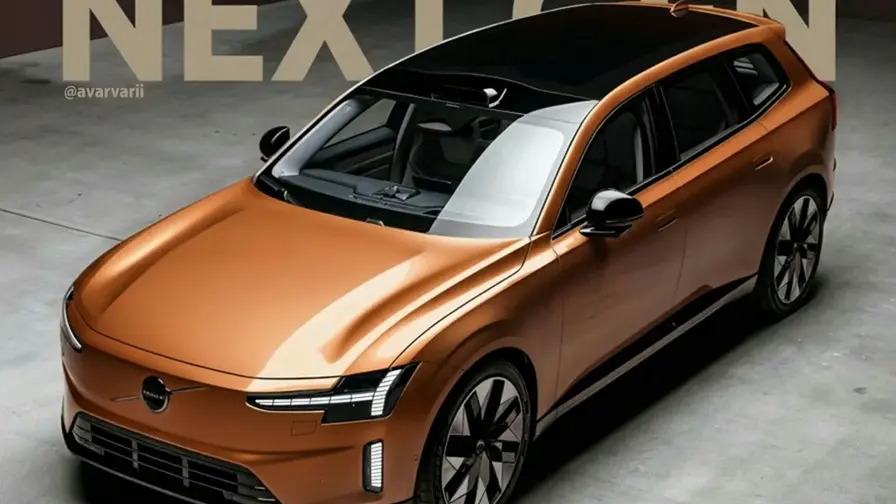
Both models are expected to ride on Volvo’s SPA3 architecture, the same scalable platform that underpins the EX60 crossover. SPA3’s battery packaging flexibility allows cell orientation that doesn’t excessively raise the cabin floor, paving the way for a conventional, low-riding sedan and a true wagon silhouette rather than SUV-like proportions.
Industry watchers have long speculated the sedan could be badged ES60 — a logical electric successor to the S60 — while a corresponding wagon might carry an EV60 designation, possibly with a Cross Country variant to keep Volvo’s rugged-yet-refined branding alive.
What to expect: positioning, pricing and sales goals
Volvo isn’t aiming for blockbuster volumes. Internal targets reportedly aim for roughly 10,000 combined sales annually in the US — modest, but strategic. To reach that, Volvo plans aggressive starting prices in the low $50,000s, a competitive entry point for a premium midsize EV.


Recent US sales figures provide context: Volvo moved approximately 3,900 EX90 SUVs and 5,400 EX30 crossovers in 2025 despite manufacturing and software challenges. If the ES60 and EV60 deliver familiar Volvo attributes—safety, Scandinavian design and efficient use of the SPA3 architecture—slightly higher uptake would be realistic.
Highlights:
- Two electric models targeted for US launch in 2028
- Built on SPA3 platform (same base as EX60)
- Expected starting price: low $50,000s
- Combined US sales goal: ~10,000 units per year
- Production: imported from Europe due to low volumes
Performance, variants and market fit
While Volvo has not released technical specs, SPA3 supports multiple powertrain and battery configurations, so expect single- and dual-motor options, modern battery thermal management and fast-charging capability competitive with other premium EVs. The wagon variant could arrive with a Cross Country option to appeal to buyers who want utility and a higher ride height without stepping into midsize SUVs.
Comparisons are inevitable: Volvo’s potential entrants will compete with established luxury sedans and wagons globally, but in the US their real rivals are premium electric crossovers that shoppers currently prefer. Volvo’s pitch will likely lean on design, safety technology, and Scandinavian craftsmanship to differentiate its EV60/ES60 offerings.

"This is about giving buyers another choice — a true Volvo electric sedan and an authentic wagon — not simply another crossover," says a Volvo insider (paraphrased).
Looking beyond 2028
Volvo’s product strategy may also extend upward: the company is studying a larger three-row SUV to take on luxury rivals such as the BMW X7 and Mercedes-Benz GLS, with a possible 2029 debut. That move would signal Volvo’s intent to cover both mainstream premium segments and niche, characterful models like a sedan and wagon duo.
Whether American tastes for trucks and SUVs will limit demand remains uncertain, but Volvo is betting that a competitively priced, well-executed pair of electric sedan and wagon models can find a loyal audience. If SPA3 delivers the driving dynamics and packaging it promises, the 2028 arrivals could be a subtle but meaningful reshaping of Volvo’s U.S. portfolio.

Leave a Comment
Comments (2)
Nice move Volvo. Low $50ks might tempt some, but 10k a year? sounds tiny. hope they nail software, range and dealer support. gonna wait for real reviews.
Really? Volvo re-entering sedans and wagons in 2028 sounds bold, but will US buyers ditch SUVs for wagons? pricing matters, and distribution too. hmm